Short Answer
In this guide, you’ll explore the enigmatic and haunting symbolism of Number 13—Death. From its cultural significance to its psychological impact, you’ll uncover why this number has fascinated humanity for centuries. Discover its role in mythology, superstition, and modern media, and learn how it transcends mere numerology to embody deeper existential themes. By the end, you’ll see why Death as Number 13 remains one of the most intriguing concepts in human history.
The Symbolism of Number 13: A Harbinger of Transformation
Number 13 is far more than a simple digit—it is a symbol steeped in paradox. Often associated with misfortune, it paradoxically represents rebirth and renewal. In many cultures, the number 13 is linked to the lunar cycle, which spans roughly 13 months, symbolizing the cyclical nature of life and death. This duality makes it a powerful metaphor for the inevitability of change and the transient nature of existence.

The fear of the number 13, known as triskaidekaphobia, stems from ancient superstitions. Yet, in numerology, 13 is considered a “master number,” representing transformation and spiritual growth. This duality—between fear and reverence—highlights the number’s unique appeal. It challenges us to confront the unknown and embrace the inevitability of endings as precursors to new beginnings.

Death as Number 13 in Mythology and Religion
Across various mythologies, Number 13 is intricately tied to death and the afterlife. In Norse mythology, the god Loki, often associated with chaos and trickery, is the 13th guest at a feast that leads to the death of Baldr, a pivotal event in Ragnarök. This narrative frames 13 as a disruptor, a force that shatters harmony and ushers in inevitable change.
In Christianity, the Last Supper is famously depicted with 13 individuals—Jesus and his 12 disciples—where the presence of Judas, the betrayer, foreshadows death and betrayal. Here, Number 13 becomes a symbol of divine plan and human frailty, illustrating how endings are woven into the fabric of fate.
In Tarot, the 13th card is Death, not as a literal demise but as a representation of metamorphosis. The card often shows a skeletal figure on a white horse, symbolizing the end of one phase and the beginning of another. This interpretation underscores the number’s role as a catalyst for profound personal and spiritual evolution.
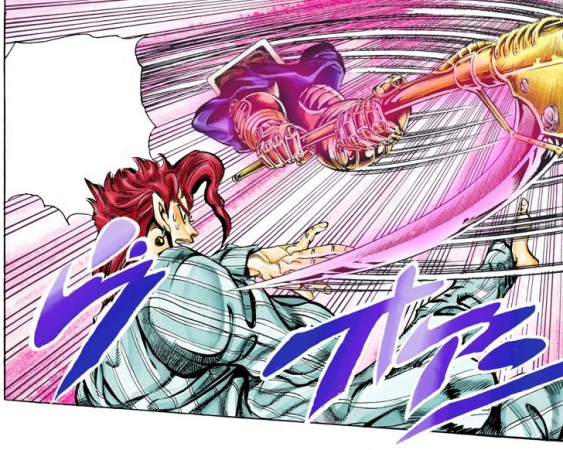
The Psychological and Cultural Impact of Number 13
Psychologically, the fear of Number 13 is deeply ingrained in the human psyche. Studies suggest that triskaidekaphobia may stem from the number’s association with the unknown and the unpredictable. Yet, this fear is often balanced by a fascination with the macabre and the mysterious, which Number 13 embodies.
In popular culture, Number 13 is a recurring motif in horror and thriller genres. Films like Friday the 13th leverage the number’s ominous reputation to evoke tension and dread. However, the number also appears in contexts that celebrate its rebellious and unconventional nature, such as in music and art, where it symbolizes breaking free from conventions.
In architecture, many buildings skip the 13th floor, opting for “14” instead, to avoid invoking fear. Yet, this avoidance paradoxically reinforces the number’s power, turning it into a symbol of both dread and defiance. This cultural phenomenon highlights how Number 13 transcends mere superstition to become a psychological and social construct.

Number 13 in Modern Media and Art
In contemporary media, Number 13 continues to captivate audiences through its versatility. In literature, it often appears as a motif in mystery and detective stories, where the number serves as a clue or a harbinger of doom. For example, in Agatha Christie’s And Then There Were None, the nursery rhyme “Ten Little Indians” is adapted to include 13 victims, reinforcing the theme of inevitable fate.
In music, artists like Taylor Swift and Kendrick Lamar have used Number 13 as a metaphor for personal struggles and triumphs. Swift’s album Red includes a track titled “13,” which she describes as a personal mantra. This usage transforms the number from a symbol of fear into one of empowerment and resilience.
Visual art also embraces Number 13, often using it to explore themes of mortality and the sublime. Surrealist artists like Salvador Dalí have incorporated the number into their works, blending the grotesque with the beautiful to challenge perceptions of death and decay. This artistic exploration underscores the number’s ability to evoke both horror and awe.
Conclusion
Number 13—Death—is a multifaceted symbol that transcends cultural, religious, and psychological boundaries. It embodies the duality of fear and fascination, destruction and rebirth, and the known and the unknown. Whether viewed through the lens of mythology, psychology, or modern media, Number 13 remains a potent metaphor for the human experience.
Its enduring appeal lies in its ability to provoke thought and emotion, challenging us to confront the inevitability of endings and the promise of transformation. In a world that often seeks to rationalize and control the uncontrollable, Number 13 serves as a reminder of the beauty and terror inherent in life’s cyclical nature. Embracing this duality allows us to see Death not as an enemy, but as a necessary part of the journey—one that paves the way for renewal and growth.
FAQ
What does Number 13 symbolize?
Number 13 symbolizes transformation and renewal, often associated with death and the unknown.
Why is Number 13 considered unlucky?
The fear of Number 13, known as triskaidekaphobia, stems from its historical associations with misfortune and death.
How is Number 13 represented in mythology?
In mythology, Number 13 is linked to significant events, such as the Last Supper in Christianity and various tales in Norse mythology.
Leave a Reply