Short Answer
The Death Tarot card is often misunderstood, as it typically evokes feelings of fear and apprehension. The imagery associated with this card can seem foreboding; however, when it appears reversed in a reading, its meanings shift dramatically. The reversed Death card signifies stagnation, resistance to change, and personal transformation that is either delayed or unacknowledged. Rather than being a harbinger of demise, it encourages introspection on what transformation is truly required in one’s life.
Understanding the Symbolism of Death Reversed
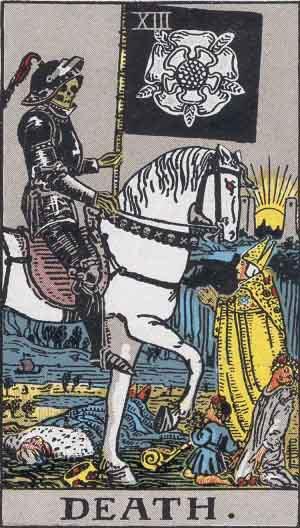
When interpreting the reversed Death card, it is crucial to delve into its symbols. Traditionally, the upright Death card is associated with the end of one phase and the commencement of another. In reverse, this theme of renewal is distorted. Instead of embracing change, one may find themselves gripping tightly to the familiar, out of fear or complacency. The imagery of the skeleton wielding a scythe, which typically represents harvest and rebirth, may take on new connotations—those of an unwillingness to confront the inevitable cycle of life and death.
Key Themes in Death Reversed
The Death card reversed encompasses several key themes:
- Resistance to Change: One of the most pronounced meanings of Death reversed is the resistance to accept change. Individuals may find themselves entrenched in habits or situations that no longer serve them. This stagnation can lead to feelings of frustration and disillusionment, as opportunities for growth and transformation slip away.
- Fear of the Unknown: The unknown can be intimidating. The reversed Death card suggests a fear that is keeping one tethered to the past. Rather than exploring new possibilities, individuals may choose to remain within their comfort zones, missing out on potentially enriching experiences.
- Decline and Decay: While the upright interpretation signifies renewal and rebirth, the reversed position may indicate a decline. This could manifest as a deteriorating situation—whether in relationships, careers, or personal endeavors. Delays in necessary endings can lead to prolonged discomfort.
- Emotional Blockages: The reversed Death card can also signify emotional blockages impacting one’s ability to move forward. These may stem from unresolved traumas or attachments to the past, which inhibit personal growth.
Exploring Personal Transformation
When the Death card appears reversed, it presents a vital opportunity for introspection regarding personal transformation. Here are several aspects to consider:
- Identify Areas in Need of Change: Take stock of your life and identify areas that may have stagnated. Are there relationships, jobs, or habits that no longer serve you? Engaging in this self-reflection can illuminate paths to necessary change.
- Challenge Fear: Acknowledge your fears surrounding change. By confronting these fears head-on, you can work to dismantle the mental barriers that keep you from embracing new opportunities. Recognition is the first step toward liberation.
- Embrace Fluidity: Adopting a mindset of fluidity can pave the way for growth. Understand that life is inherently about transition, and resisting it can lead to unnecessary turmoil. Practicing acceptance of change can foster adaptability and resilience.
- Letting Go: The process of letting go is a fundamental tenet of the reversed Death card. This could involve releasing emotional baggage, forgiving past grievances, or shedding old self-identities that limit your potential.
Practical Strategies for Navigating Change
Those grappling with the reversed Death card may find comfort in practical strategies that facilitate meaningful change. Here are some actionable tips:
- Journaling: Writing down thoughts and feelings can be profoundly therapeutic. Use journaling as a tool to explore the roots of your resistance to change. Reflect on what you need to release and the steps necessary to embrace new beginnings.
- Meditation and Mindfulness: Incorporating meditation into your routine allows for a deeper understanding of your emotional landscape and cultivates an awareness of the present moment. Mindfulness practices offer clarity, aiding in discernment about what changes are desired.
- Seek Guidance: Sometimes, engaging with a tarot practitioner or counselor can provide perspective. They can help navigate the complexities of your situation and provide insights on how to initiate change.
- Set Intentions: Crafting clear intentions for future changes can empower you to take action. Consider setting goals that reflect the transformations you wish to see in your life and regular checkpoints to track your progress.
Conclusion: Embracing the Transformation
The Death card reversed does not merely signal stagnation; instead, it serves as a clarion call to acknowledge areas in life where change is essential. By facing fears and resisting the urge to remain in the familiar, one can unlock profound transformations. As you navigate the subtleties of resistance, acknowledge the invitation behind the Death card reversed—embrace the potential for growth and renewal, and foster a life rich with possibility.
FAQ
What does the reversed Death Tarot card symbolize?
It symbolizes resistance to change, stagnation, emotional blockages, and fear of moving forward.
How should I interpret the reversed Death card in a tarot reading?
It suggests looking inward to identify areas where you're resisting change and encourages you to embrace transformation for growth.
Are there practical ways to work with the reversed Death card energy?
Yes, practices like journaling, meditation, mindfulness, setting clear intentions, and seeking professional guidance can help navigate this energy.
Is the reversed Death card always negative?
No, it signals a need for introspection and can lead to profound personal growth once resistance is overcome.
Leave a Reply