Short Answer
In this guide, you’ll discover why the Death tarot card, often feared for its ominous name, can actually be a powerful symbol of positive transformation. Many people associate this card with endings, loss, or upheaval, but its deeper meaning reveals a different story—one of renewal, personal growth, and liberation. By the end, you’ll understand how this card encourages you to embrace change, release what no longer serves you, and step into a brighter future. Whether you’re new to tarot or a seasoned reader, this exploration will shift your perspective on one of the most misunderstood cards in the deck.
The Death Tarot Card: More Than Just an Ending
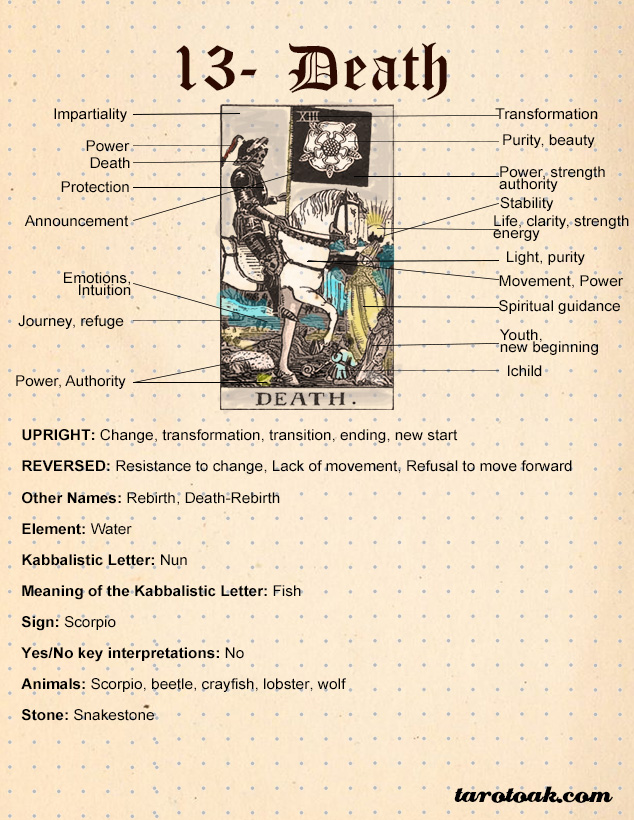
The Death tarot card, often depicted with a skeletal figure on horseback, is one of the most misunderstood cards in the Major Arcana. Its imagery alone—skulls, decay, and a sense of finality—can evoke fear or dread. However, the card’s true essence lies in its role as a catalyst for profound change. In tarot, Death is not about physical death but rather the death of old habits, relationships, or mindsets that no longer align with your highest good. It represents the necessary shedding of the past to make way for new beginnings.
This card frequently appears when you’re standing at a crossroads, whether in your career, personal life, or spiritual journey. It signals that a cycle is concluding, but this conclusion is not a tragedy—it’s an opportunity. The Death card reminds you that growth often requires letting go of what’s familiar, even if it feels uncomfortable. By reframing your perspective, you can see this card as a harbinger of renewal rather than destruction.
Why the Death Card Is Actually Good News
One of the most common misconceptions about the Death tarot card is that it foretells doom or misfortune. In reality, this card is a sign of positive transformation when interpreted correctly. It’s a cosmic nudge to release stagnant energy and invite fresh possibilities into your life. Think of it as the universe’s way of clearing the path for you to move forward with greater clarity and purpose.
For example, if you’ve been clinging to a dead-end job, a toxic relationship, or a self-limiting belief, the Death card encourages you to let go. It’s not about destruction for its own sake; it’s about making space for what truly matters. This card often appears during major life transitions, such as graduation, career changes, or the end of a long-term commitment. While these moments can feel daunting, they’re also opportunities to reinvent yourself and align with your authentic path.
Another reason the Death card is good news is its association with resilience and rebirth. Just as nature sheds its leaves in autumn to prepare for spring, this card teaches you that endings are a natural part of life’s cycles. By embracing change rather than resisting it, you cultivate inner strength and adaptability. The Death card reassures you that even in the darkest moments, transformation is possible—and often necessary—for your evolution.
The Symbolism Behind the Death Card’s Imagery
The Death tarot card’s visual symbolism is rich with meaning, offering clues to its deeper message. The skeletal figure, often riding a white horse, represents the inevitability of change and the purity of transformation. The horse symbolizes movement and progress, while the skeletal form underscores the transient nature of life’s phases. The rising sun in the background is a powerful reminder that even after the darkest night, light will return.
Other elements in the card’s imagery, such as the fallen figures at the skeletal rider’s feet, can be interpreted in multiple ways. Some see them as representations of outdated aspects of yourself or societal norms that no longer serve you. Others view them as obstacles being cleared away to make room for growth. The black and white imagery often present in this card highlights the contrast between old and new, emphasizing the stark but necessary shift that’s occurring.
Even the card’s traditional numbering—13—holds significance. In numerology, 13 is often associated with transformation and the shedding of the old to make way for the new. This number reinforces the idea that the Death card is not about literal death but about shedding layers of your identity or circumstances that no longer fit. By understanding these symbols, you can deepen your connection to the card’s message and apply its wisdom to your life.
How to Interpret the Death Card in a Reading
When the Death card appears in a tarot reading, its meaning can vary depending on the context of the spread and the surrounding cards. In a general sense, it’s a call to embrace change, but its specific message depends on its position and the questions you’re asking. For instance, if you’re asking about a relationship, the Death card might indicate the end of a phase—whether that’s a breakup, a shift in dynamics, or a decision to walk away from something that no longer serves you. If you’re asking about career, it could signal a need to leave a job that’s draining your energy or to pivot toward a new path.
It’s also important to consider the card’s orientation. If the Death card appears upright, its message is clear: transformation is on the horizon, and you’re being called to release what no longer aligns with your growth. If it appears reversed, it may suggest resistance to change or a fear of letting go. In this case, the card urges you to examine what’s holding you back and consider whether your hesitation is rooted in genuine caution or unfounded fear.
Pay attention to your emotional response when the Death card appears. If it fills you with dread, it might be highlighting an area of your life where you’re avoiding necessary change. Conversely, if it resonates with you as a sign of hope, it’s likely confirming that you’re ready to move forward. Trust your intuition to guide you in interpreting its message accurately.
Practical Steps to Embrace the Death Card’s Energy
Understanding the Death card’s meaning is one thing, but applying its wisdom to your life is where the real magic happens. Here are some practical steps to help you embrace its energy and use it as a catalyst for positive change:
- Reflect on what needs to go. Take time to journal or meditate on areas of your life that feel stagnant or draining. Ask yourself: What habits, relationships, or beliefs are no longer serving me? What am I holding onto out of fear rather than love?
- Create a ritual for release. Rituals can help you symbolically let go of the past. This could be as simple as writing down what you’re releasing and burning the paper (safely, of course), or it could involve a more elaborate ceremony like a bonfire or a symbolic burial of old items.
- Set intentions for the new. Once you’ve identified what you’re releasing, focus on what you want to invite into your life. Write down your intentions or create a vision board to clarify your goals and desires.
- Practice self-compassion. Change can be scary, and it’s okay to feel uncertain. Be gentle with yourself as you navigate transitions, and remind yourself that growth often comes with discomfort.
- Trust the process. The Death card teaches you that endings are not failures but necessary steps toward renewal. Trust that what’s meant for you will find its way to you, even if the path isn’t clear right now.
Common Misconceptions About the Death Card
Despite its positive message, the Death tarot card is often shrouded in misconceptions that prevent people from fully embracing its wisdom. One of the most pervasive myths is that the card predicts physical death or tragedy. In reality, tarot is a tool for reflection and guidance, not a crystal ball for doom. The Death card’s appearance in a reading is far more likely to indicate a metaphorical death—a shedding of the old to make way for the new—than a literal one.
Another common misconception is that the Death card is always a negative omen. While it can signal challenging transitions, its ultimate message is one of hope and renewal. It’s a reminder that endings are a natural part of life’s cycles and that you have the power to shape your future. By reframing your perspective, you can see the Death card as a guide rather than a warning.
Some people also believe that the Death card’s energy is only relevant during major life changes. However, its lessons can be applied to everyday situations as well. For example, it might encourage you to let go of a grudge, release a limiting belief, or even declutter your physical space. The Death card’s message is universal: transformation is always possible, no matter how small or large the change.
Conclusion: Seeing the Death Card as a Beacon of Hope
The Death tarot card is a powerful reminder that endings are not the opposite of growth—they are a vital part of it. By shifting your perspective, you can see this card as a harbinger of renewal rather than a symbol of loss. Whether it appears in a reading or resonates with you on a personal level, the Death card invites you to embrace change with courage and trust in the process.
Remember, the next time you encounter the Death card, it’s not a sign to fear the unknown but an opportunity to release what no longer serves you and step into a brighter future. The universe is constantly evolving, and so are you. By aligning with the Death card’s energy, you open yourself up to transformation, resilience, and the endless possibilities that lie ahead.
FAQ
What does the Death tarot card represent?
It represents transformation, the end of a cycle, and the beginning of a new phase in life.
Is the Death card always a negative omen?
No, it is often a positive sign of growth, renewal, and liberation from what no longer serves you.
How should I interpret the Death card in a reading?
Interpretation depends on context; upright generally signals positive transformation, while reversed may indicate resistance to change.
Leave a Reply