Short Answer
Unlocking the mysteries of multi-card tarot spreads can feel like stepping into a labyrinth of symbols, intuition, and hidden meanings. Whether you’re a beginner or a seasoned reader, mastering the art of interpreting multiple cards in a single spread can elevate your practice from mere guesswork to profound insight. In this guide, you’ll discover the step-by-step process of reading multi-card tarot spreads with confidence, clarity, and depth. You’ll learn how to interpret card positions, weave narratives from seemingly unrelated symbols, and tap into the deeper layers of meaning that make tarot a powerful tool for self-discovery and guidance. By the end, you’ll not only understand the mechanics of spreads but also why they captivate so many—a fascination rooted in the human desire to find patterns, seek answers, and connect with something greater than ourselves.
Why Multi-Card Spreads Matter: More Than Just a Layout
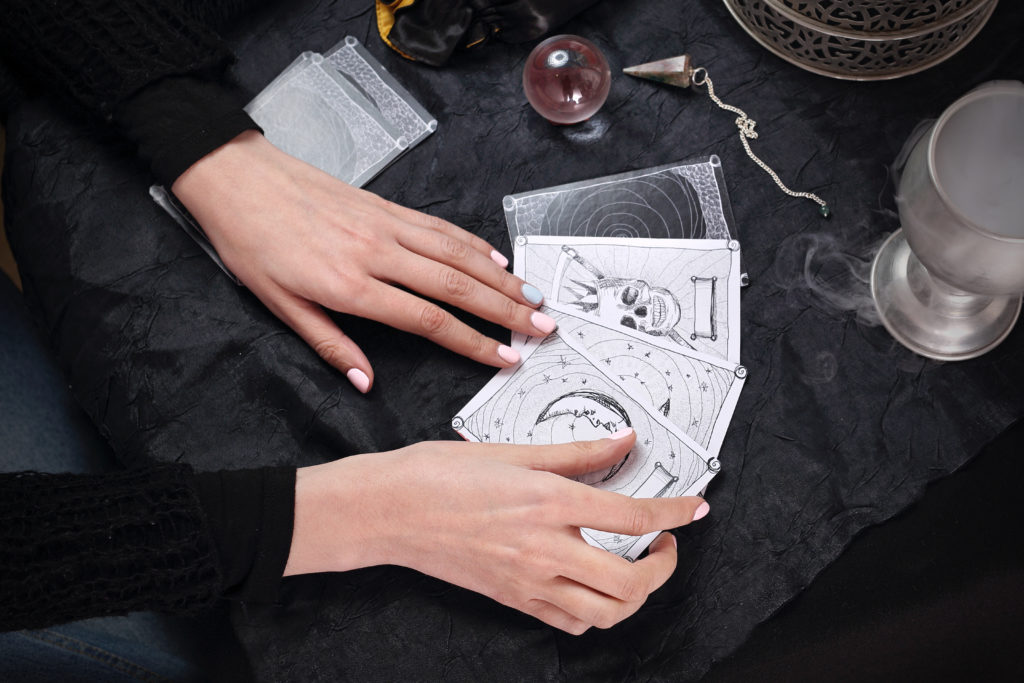
At first glance, a multi-card tarot spread might seem like a random arrangement of cards, but its true power lies in its ability to mirror the complexity of life itself. A single card can offer a snapshot of energy or advice, but a spread of three, five, or even ten cards creates a dynamic dialogue between past, present, and future. This layered approach allows you to explore relationships between events, emotions, and influences that a single card simply can’t convey. For instance, a three-card spread might reveal the root of a problem, the current state of affairs, and a potential outcome, while a Celtic Cross spread delves into deeper psychological and spiritual layers. The fascination with multi-card spreads stems from their ability to reflect the interconnectedness of our experiences, making them feel like a personalized map of our journey.
Choosing the Right Spread for Your Question
The foundation of reading multi-card tarot spreads effectively begins with selecting the right spread for your question or intention. Not all spreads are created equal, and choosing one that aligns with your query ensures clarity and relevance. For general guidance, a simple three-card spread (past-present-future or mind-body-spirit) works well. If you’re seeking deeper insight into a relationship, a five-card spread (situation, challenge, subconscious influences, advice, and outcome) can provide nuance. For complex life decisions, spreads like the Celtic Cross or the Horseshoe spread offer a comprehensive view. Pay attention to the number of cards and their positions—each slot in a spread acts as a lens through which to examine different facets of your question. The key is to match the spread’s structure to the depth of your inquiry, ensuring the cards can speak meaningfully to your situation.
Interpreting Card Positions: The Language of Structure
Once you’ve chosen a spread, the next step is understanding how each card’s position influences its meaning. In most spreads, positions are labeled (e.g., “past,” “obstacle,” “advice”), and these labels act as a framework for interpretation. For example, a card in the “past” position might reveal unresolved issues affecting your current situation, while a card in the “future” position could hint at potential outcomes based on your current path. Some positions represent external influences (like people or circumstances), while others reflect internal states (emotions, subconscious patterns). It’s crucial to read each card not just in isolation but in relation to its position. For instance, the Eight of Cups in the “challenge” position might suggest emotional withdrawal as a hurdle to overcome, while the same card in the “outcome” position could indicate a necessary but difficult departure from a situation. The interplay between card and position creates a narrative that’s far richer than individual meanings alone.

Weaving a Story: Combining Cards for a Cohesive Narrative
The magic of multi-card spreads lies in their ability to tell a story, and your role as the reader is to become the storyteller. Start by examining each card individually, noting its core imagery, symbolism, and traditional meanings. Then, look for connections between the cards—do they share a common theme (e.g., all cups cards pointing to emotions)? Are there contrasting energies (e.g., a fiery card like the Tower followed by a calming card like the Star)? Pay attention to sequences: does the story unfold chronologically, or do the cards jump between past, present, and future in a way that reveals unexpected insights? For example, if the first card is the Three of Swords (heartbreak) and the second is the Six of Cups (nostalgia), the narrative might suggest that past pain is influencing present emotions. The more you practice, the more you’ll develop an intuitive sense of how cards interact, allowing you to craft a cohesive and meaningful story from the spread.
Common Pitfalls and How to Avoid Them
Even experienced readers can fall into traps when interpreting multi-card spreads. One common mistake is overcomplicating the reading by trying to force connections where none exist. Not every card in a spread needs to relate directly to the others—sometimes, a card’s message stands alone, offering a unique perspective. Another pitfall is ignoring the querent’s (the person asking the question) energy and context. Tarot is deeply personal, and a spread’s meaning can shift based on the individual’s life circumstances. Always ask clarifying questions if a card’s message feels unclear or irrelevant. Additionally, avoid the temptation to rely solely on guidebook meanings. While traditional interpretations provide a foundation, your intuition and the querent’s feedback are equally important in shaping the reading. Lastly, don’t rush the process—take time to meditate on the cards, journal your thoughts, and revisit the spread later for fresh insights.
Advanced Techniques: Elevating Your Multi-Card Readings
Once you’re comfortable with basic spreads, you can explore advanced techniques to deepen your readings. One powerful method is card pairing, where you analyze two cards together to uncover layered meanings. For example, the combination of the Magician and the High Priestess might suggest a balance between action (Magician) and intuition (High Priestess), while the Devil and the Star could indicate a toxic situation (Devil) with a hopeful resolution (Star). Another technique is tracking patterns across multiple cards, such as identifying a dominant suit (e.g., predominance of swords for mental challenges) or elemental balance (e.g., too many fire cards indicating impulsivity). You can also incorporate timing by using card numbers (e.g., the Seven of Pentacles suggesting a seven-week or seven-month timeline) or astrological associations (e.g., cards tied to specific zodiac signs). For those seeking a spiritual dimension, consider using a pendulum or dowsing rods to confirm the energy of certain cards or positions. These techniques add depth and precision to your readings, making them feel almost prophetic.
Practical Tips for Consistent and Accurate Readings
Consistency in tarot reading comes from practice, intuition, and a few practical habits. First, always ground yourself before a reading—meditate, light a candle, or set an intention to remain open and unbiased. Keep a tarot journal to track your spreads, interpretations, and any patterns you notice over time. This not only improves your skills but also helps you recognize your personal biases or recurring themes in the cards. When reading for others, encourage them to ask clear, focused questions to avoid vague or unhelpful answers. Use reversals (upside-down cards) sparingly unless you’re comfortable with them, as they can add complexity but may also confuse beginners. Finally, trust your first impression—your gut reaction to a card or spread is often the most authentic. Over time, you’ll develop a unique style that blends traditional meanings with your intuitive insights.
Conclusion: The Transformative Power of Multi-Card Spreads
Mastering multi-card tarot spreads is about more than memorizing positions or card meanings—it’s about learning to see the invisible threads that connect our experiences. These spreads offer a mirror to our inner worlds, revealing patterns, challenges, and opportunities we might otherwise overlook. The fascination with them lies in their ability to transform abstract symbols into a tangible narrative, giving us a sense of control and understanding in an unpredictable world. Whether you’re using tarot for personal growth, decision-making, or spiritual exploration, multi-card spreads provide a structured yet flexible framework for insight. As you continue to practice, you’ll find that the cards become not just a tool, but a trusted companion on your journey—one that helps you navigate life’s complexities with greater clarity and confidence.
FAQ
What is a multi-card tarot spread?
A multi-card tarot spread is a layout that uses several cards to provide deeper insights into a question or situation, allowing for a more nuanced interpretation than a single card.
How do I choose the right tarot spread?
To choose the right tarot spread, consider the nature of your question. Simpler spreads like three-card layouts are good for general queries, while more complex questions may require spreads like the Celtic Cross.
What are common mistakes in reading multi-card spreads?
Common mistakes include overcomplicating the reading, ignoring the querent’s context, and relying solely on traditional meanings without incorporating personal intuition.
Leave a Reply