Short Answer
Welcome to your ultimate guide to The Hand of Fate – Wheel of Fortune. In this article, you’ll explore the origins, symbolism, and modern interpretations of the Wheel of Fortune, a timeless emblem that has captivated cultures across the globe. Discover how this iconic symbol influences games, literature, and even personal decision-making. By the end, you’ll understand why the Wheel of Fortune remains a powerful metaphor for life’s unpredictable cycles and how you can apply its lessons to your own journey.
The Origins and History of the Wheel of Fortune
The Wheel of Fortune traces its roots back to ancient civilizations, where fate was often personified as a force beyond human control. In Roman mythology, the goddess Fortuna was depicted holding a wheel, symbolizing the ever-turning nature of destiny. This imagery evolved through the Middle Ages, where the Wheel of Fortune became a popular motif in art and literature, representing the unpredictable ups and downs of life. Medieval manuscripts and tapestries often featured the wheel, illustrating how fortune could elevate or humble individuals without warning. The concept was further cemented in the Renaissance, where artists like Andrea Mantegna created famous engravings of the wheel, solidifying its place in Western culture as a symbol of life’s cyclical nature.
Symbolism and Meaning Behind the Wheel
The Wheel of Fortune is rich with symbolism, often depicted with four or six spokes and figures representing different stages of life’s journey. At the top of the wheel, a crowned figure ascends, symbolizing prosperity and success. At the bottom, another figure descends, representing misfortune or downfall. The sides of the wheel typically feature figures in transition, illustrating the constant flux between luck and adversity. This imagery serves as a reminder that life’s circumstances are temporary and subject to change. The wheel also embodies the concept of karma, where actions in one life or phase can influence future outcomes. In tarot, the Wheel of Fortune card reinforces this idea, suggesting that change is inevitable and often beyond our control.

The Wheel of Fortune in Games and Pop Culture
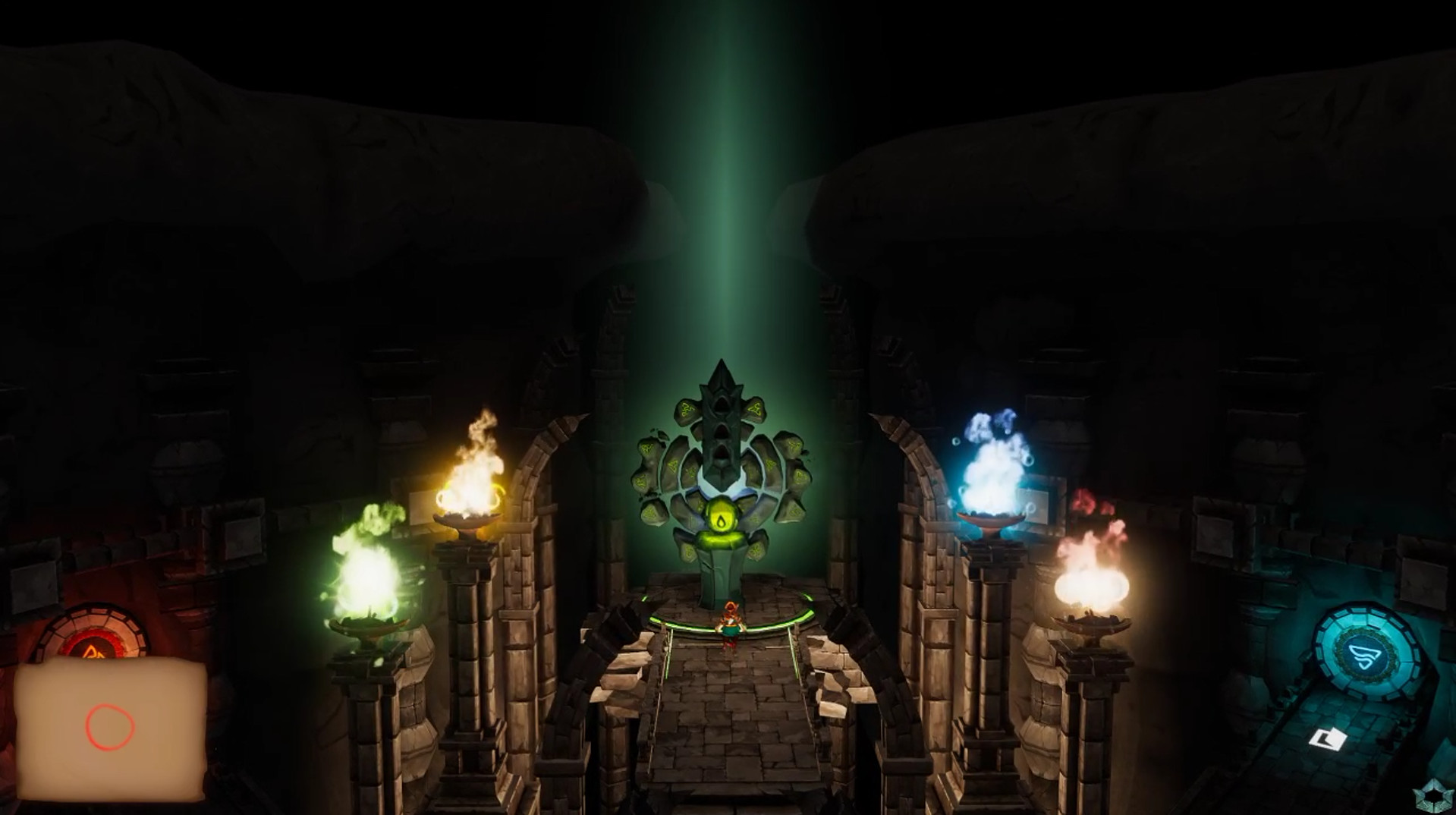
The Wheel of Fortune has transcended its symbolic roots to become a staple in games and entertainment. One of the most famous examples is the television game show Wheel of Fortune, which has been a global phenomenon since its debut in 1975. The show’s format—where contestants spin a giant wheel to win prizes—mirrors the unpredictability of the original symbol. Beyond television, the Wheel of Fortune appears in board games, video games, and even slot machines, where luck and chance play a central role. In video games like Wheel of Fate, players navigate a world where decisions and random events shape their journey, much like the ebb and flow of fortune. These modern interpretations keep the ancient symbol alive, blending tradition with contemporary entertainment.
Interpreting the Wheel of Fortune in Personal Life
The Wheel of Fortune isn’t just a historical or cultural artifact—it’s a lens through which we can view our own lives. When faced with challenges or unexpected turns, the wheel reminds us that setbacks are temporary and that perseverance can lead to eventual success. It encourages a mindset of adaptability, urging us to embrace change rather than resist it. For instance, a career setback might feel like a descent on the wheel, but it could also be a stepping stone to new opportunities. Similarly, moments of triumph may be fleeting, so it’s important to stay grounded and grateful. By internalizing the wheel’s message, you can cultivate resilience and a healthier relationship with uncertainty. Whether you’re navigating personal relationships, career choices, or financial decisions, the Wheel of Fortune serves as a metaphor for the dynamic nature of existence.
How to Use the Wheel of Fortune as a Tool for Reflection
You can harness the symbolism of the Wheel of Fortune as a practical tool for self-reflection and goal-setting. Start by identifying areas of your life where you feel stuck or where fortune seems to be against you. Ask yourself: What lessons can I learn from this phase? How can I prepare for future changes? Journaling about these questions can provide clarity and help you recognize patterns in your life. Additionally, consider creating a visual representation of your own “wheel of fortune”—a diagram that maps out your highs, lows, and transitions. This exercise can be empowering, as it highlights your progress and reinforces the idea that every phase is temporary. By actively engaging with the symbolism, you transform the Wheel of Fortune from a passive metaphor into an active guide for personal growth.
Conclusion
The Wheel of Fortune is far more than a decorative motif or a game show staple—it’s a profound symbol that encapsulates the essence of life itself. From its ancient origins to its modern-day appearances, the wheel teaches us to embrace the unpredictable nature of existence with grace and resilience. Whether you’re facing a personal challenge, seeking inspiration, or simply curious about the symbol’s deeper meaning, the Wheel of Fortune offers valuable insights. Remember, life’s ups and downs are not random; they are part of a larger cycle, and each turn of the wheel brings new opportunities for growth. By understanding and applying the lessons of the Wheel of Fortune, you can navigate life’s uncertainties with greater confidence and wisdom.
FAQ
What does the Wheel of Fortune symbolize?
The Wheel of Fortune symbolizes the cyclical nature of fate and life's unpredictable ups and downs.
How can I apply the Wheel of Fortune in my personal life?
You can use the Wheel of Fortune as a metaphor for embracing change and resilience in the face of challenges.
Leave a Reply