Short Answer
Karma and Tarot have long been subjects of intrigue, especially when viewed through the lens of a Christian perspective. At their core, both concepts delve into the nature of consequence, moral responsibility, and the universal law of cause and effect. However, they unfold these themes in differing narratives and through distinct methodologies. Herein lies an invitation to explore the complex interplay between Karma, Tarot, and Christianity, and to witness how such synergy offers a prodigious shift in perspective towards life, morality, and spirituality.
To commence, it’s paramount to define what is meant by “Karma.” Rooted in ancient Indian philosophy, Karma elaborates on the premise that every action yields a corresponding reaction. Simply put, the essence of Karma encapsulates the idea of moral reciprocity, where good deeds propel one towards positive outcomes, while malevolent actions precipitate adverse consequences. However, the Christian perspective converges intriguingly with this notion, emphasizing the biblical edict of reaping what one sows, as found in Galatians 6:7: “A man reaps what he sows.”
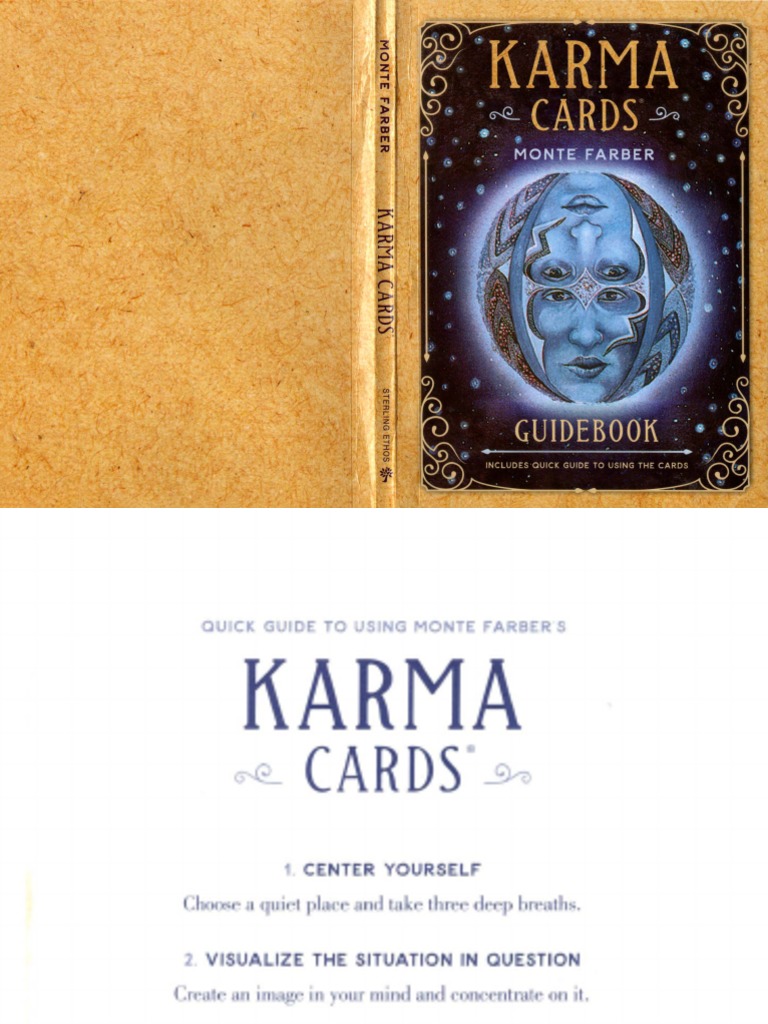
By delving into Tarot, particularly the concept of the Karma Tarot card, we embark on a mystic journey towards enlightenment. The Tarot has been utilized throughout history as a tool of divination, a means to unlock the subconscious, and a guide to self-reflection. Among the Tarot’s archetypes, the Karma card often serves a pivotal role, representing the cyclical nature of life, the choices we make, and the consequences that ensue. It compels the individual to confront their actions and resolves, paralleling the Christian doctrine of accountability and divine justice.
Interestingly, the intertwining of Karma with the Christian ethos invites a rich tapestry of discourse. Christians assert that although humans are graced with free will, they are invariably responsible for their choices. The Karma Tarot card serves as a reminder of this very responsibility, encouraging believers to align their actions with the core tenets of compassion, love, and mercy. Just as the prophets of old implored the faithful to embrace righteousness, the card beckons individuals to introspectively evaluate their life paths.
One dichotomy noteworthy in this exploration revolves around the notion of judgment. Traditional Christian belief posits that individual actions culminate in divine judgment—a day of reckoning where one stands accountable before God. Conversely, the Karma card in Tarot emphasizes a more immediate and earthly form of consequence. It suggests that the repercussions of one’s actions are not merely deferred to an afterlife but are unfurled in this lifetime. This perspective captivates and piques curiosity, offering a robust framework for understanding the impacts of one’s moral decisions.
In the narrative of the Karma Tarot card, one can perceive an invitation to embrace a transformative shift in perspective. By understanding that every choice bears weighty significance, individuals are nudged toward greater mindfulness in their daily conduct. The depiction of the Karma card may prompt soul-searching inquiries: How do my actions resonate with my faith? Am I living in a manner that reflects the love and grace imparted by Christ? Such questions engender a deeper relationship with spirituality, bridging the gap between the mystical and the tangible.
As one explores the implications of the Karma Tarot card further, the conversation shifts towards reconciliation. For many, understanding the concept of Karma within a Christian framework encompasses the need for personal accountability and the practice of repentance. Just as Jesus taught the importance of forgiveness and redemption, the Karma card similarly reinforces the idea that one can alter the course of their life through conscious choices and authentic contrition.
Moreover, the connection between Karma and divine providence merits examination. In Christianity, the belief in God’s sovereign will serves as a critical element of faith. Some might posit that such divine orchestration could mitigate the starkness of Karma’s immediate repercussions. Nonetheless, the Karma Tarot card, firmly rooted in the belief of immediate causation, implores believers to embrace God’s plan while recognizing their pivotal role in the divine tapestry. This balance between divine grace and personal accountability enriched one’s understanding of life’s complexities.
Furthermore, the Karma card can elucidate spiritual lessons related to compassion and empathy. By acknowledging the consequences of actions—both their own and others’—individuals are encouraged to foster a sense of mutual support and understanding within their communities. When viewed through this lens, the hearth of Christianity—love for neighbor—intersects profoundly with the teachings of Karma. The encouragement to “love thy neighbor” becomes an intrinsic force in shaping collective karmic outcomes.
In conclusion, engaging with the Karma Tarot card through a Christian perspective unfolds a rich exploration of morality, accountability, and spiritual growth. The intersection of these paradigms compels the seeker to adopt a holistic understanding of life’s consequences, thereby promising a remarkable shift in perspective. It champions a life lived with intention, a heart imbued with compassion, and a mind acutely aware that every action reverberates within the grand scheme of existence.
Ultimately, the discourse on Karma, blended with the teachings of Christianity and the insights offered by the Tarot, beckons individuals to not only ponder the implications of their decisions but to also embark upon a path of thoughtful introspection and meaningful action. This intricate dance between fate and moral choice is, perhaps, one of the most profound journeys one can undertake in pursuit of spiritual enlightenment.
FAQ
What is the meaning of the Karma Tarot card?
It represents moral cause and effect, urging individuals to consider the consequences of their actions and fostering spiritual accountability.
How does the Karma Tarot card relate to Christianity?
It parallels the Christian teaching of reaping what one sows, highlighting personal responsibility and divine judgment.
Is the Karma Tarot card found in all Tarot decks?
No, it is not a traditional Tarot card but is used symbolically in some spiritual and thematic Tarot interpretations.
How can one use the Karma Tarot card in readings?
It can serve as a prompt for self-reflection on moral choices, encouraging alignment with compassion and spiritual values.
Leave a Reply