Short Answer
In this comprehensive guide, you’ll explore the profound meanings and interpretations behind apologies, uncovering the intricate layers that make them both a social necessity and a deeply human art form. You’ll discover how apologies transcend mere words, evolving into powerful metaphors for healing, growth, and connection. Whether you’re seeking to understand the psychology behind an apology or refine your own approach to making amends, this guide will illuminate the unique appeal of sincere remorse and its transformative potential.
The Essence of an Apology: More Than Just Words
An apology is far more than a simple utterance of regret—it is a bridge between fractured relationships and renewed trust. At its core, an apology acknowledges wrongdoing, expresses remorse, and offers a pathway to reconciliation. The act of apologizing is deeply rooted in human psychology, serving as a mechanism to restore balance in social interactions. When someone apologizes, they are essentially saying, “I recognize the harm I’ve caused, and I commit to doing better.” This recognition is the first step toward healing, both for the person offering the apology and the one receiving it.
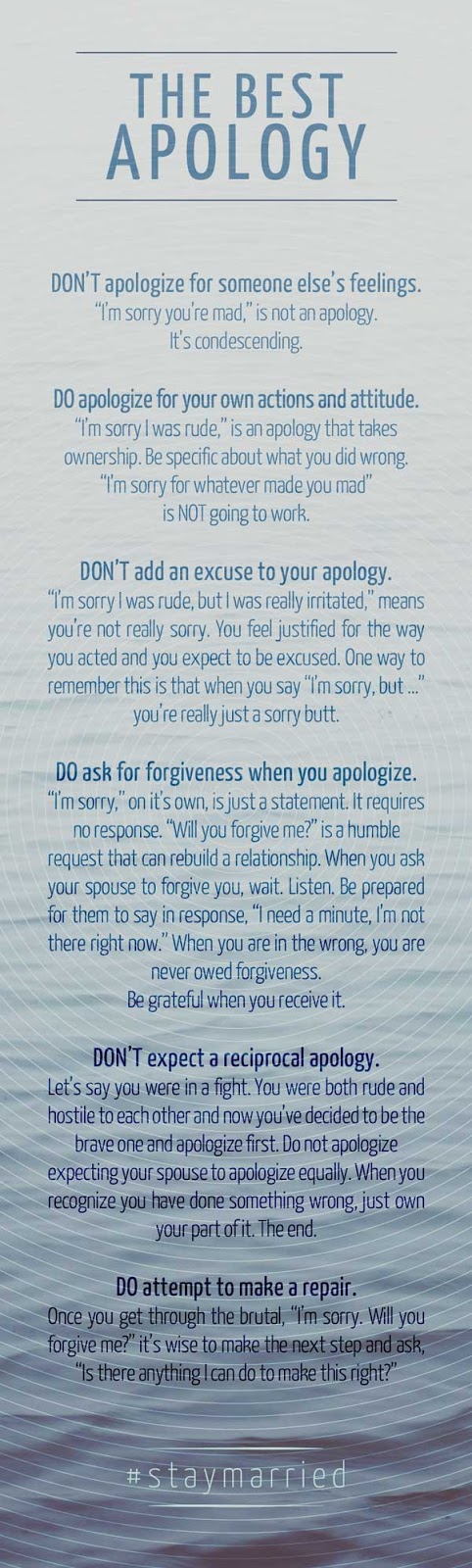
Metaphorically, an apology can be likened to a key that unlocks the door to forgiveness. Just as a key must fit perfectly into a lock to open it, an apology must be genuine, specific, and timely to be effective. A hollow or forced apology, much like a rusty key, may fail to turn the mechanism of reconciliation. The language used in an apology is equally crucial—it must convey sincerity and accountability without resorting to excuses or deflection. For example, saying, “I’m sorry I hurt you,” is far more impactful than, “I’m sorry you feel that way,” which shifts blame rather than taking responsibility.

The Psychology Behind Apologies: Why We Apologize and How It Heals
The act of apologizing is deeply intertwined with our sense of self and our relationships with others. Psychologists often describe apologies as a form of social glue, a way to repair the fabric of trust that may have been torn by our actions. When we apologize, we are not just addressing the immediate harm caused; we are also reaffirming our commitment to the relationship and demonstrating empathy for the other person’s feelings. This act of vulnerability can be incredibly powerful, as it shows that we value the connection more than our own ego.
Research in social psychology suggests that apologies can reduce feelings of anger and resentment in the recipient. When someone receives a sincere apology, their brain’s threat detection system is temporarily deactivated, allowing them to process the apology without feeling the need to retaliate or withdraw. This neurological response highlights the healing power of apologies, as they create a safe space for emotional recovery. Additionally, apologies can foster a sense of closure, helping both parties move forward without lingering bitterness.
However, not all apologies are created equal. A study published in the Journal of Experimental Social Psychology found that apologies that include explanations for the behavior (e.g., “I was under a lot of stress”) are often perceived as less sincere than those that focus solely on the harm caused. This underscores the importance of tailoring an apology to the needs of the recipient, ensuring that it resonates on a personal level. The most effective apologies are those that are timely, specific, and free from conditions—such as “I’m sorry if I upset you,” which implies doubt about the other person’s feelings.
The Art of Crafting a Meaningful Apology: Key Components
Crafting a meaningful apology is an art that requires self-awareness, empathy, and courage. The first step is to acknowledge the specific action or behavior that caused harm. Vague apologies like “I’m sorry for everything” lack the sincerity needed to repair trust. Instead, a well-crafted apology identifies the exact issue, such as, “I’m sorry for interrupting you during the meeting yesterday.” This specificity shows that you’ve taken the time to reflect on your actions and understand their impact.
The second component is expressing genuine remorse. This goes beyond saying “I’m sorry” and delves into the emotions behind the words. For example, “I feel terrible that my words hurt you, and I wish I could take them back” conveys a deeper level of regret. It’s important to avoid minimizing the harm or making excuses, as these can undermine the apology’s sincerity. Instead, focus on the feelings of the person you’ve wronged, validating their experience rather than defending your own.
The final component is making amends. A meaningful apology doesn’t end with words—it includes a commitment to change. This could mean altering a behavior, offering to make reparations, or simply being more mindful in the future. For instance, if you’ve been consistently late to meetings, an apology could be followed by a promise to arrive on time or to set reminders. This demonstrates that you’re not just sorry for the past but are also invested in a better future.
Cultural and Linguistic Nuances: Apologies Across the Globe
Apologies are not a one-size-fits-all concept; they vary significantly across cultures and languages, reflecting diverse values and social norms. In some cultures, such as Japan, apologies are deeply ingrained in daily interactions and are often seen as a sign of respect and humility. The Japanese phrase “sumimasen” can be used to apologize for minor inconveniences, like bumping into someone, as well as for more serious transgressions. This reflects a cultural emphasis on harmony and collective responsibility.
In contrast, Western cultures often prioritize individualism, which can influence how apologies are perceived and delivered. In the United States, for example, apologies are frequently tied to personal accountability, with phrases like “I take full responsibility” being common. However, this individualistic approach can sometimes lead to apologies that feel overly defensive or self-serving, particularly when the focus is on avoiding legal or social consequences rather than genuine remorse.
Language also plays a critical role in shaping the tone and impact of an apology. In English, the phrase “I’m sorry” is versatile but can sometimes feel insufficient on its own. Adding context, such as “I’m sorry for the pain I caused,” or “I’m sorry I let you down,” can make the apology feel more personal and heartfelt. In other languages, such as Spanish, the phrase “Lo siento” (I feel it) carries a deeper emotional weight, emphasizing empathy and connection. Understanding these nuances can help tailor an apology to resonate with the recipient’s cultural and linguistic background.
The Unique Appeal of Apologies: Why We’re Drawn to Them
Apologies hold a unique appeal because they tap into our fundamental need for connection and validation. When someone apologizes to us, it reassures us that we are valued and that the relationship matters enough to repair. This appeal is evident in literature, film, and art, where apologies often serve as pivotal moments of transformation. Think of classic stories like Les Misérables, where Jean Valjean’s redemption hinges on his ability to seek and accept forgiveness. These narratives resonate because they reflect our own desires for growth and reconciliation.
Apologies also have a paradoxical allure—they are both deeply personal and universally relatable. Everyone has experienced the sting of a wrongdoing or the relief of receiving an apology, making this topic universally resonant. The vulnerability required to apologize is what makes it so compelling; it strips away pretenses and reveals our true selves. In a world where superficial interactions often dominate, a sincere apology stands out as a rare and precious act of authenticity.
Moreover, apologies can be a source of empowerment. For the person offering the apology, it can be a cathartic release, allowing them to confront their mistakes and grow from them. For the recipient, an apology can provide closure, freeing them from the burden of resentment and enabling them to move forward. This dual power—both to heal and to transform—is what makes apologies so uniquely appealing.
Conclusion
Apologies are far more than social niceties; they are profound acts of courage, empathy, and growth. Whether you’re on the giving or receiving end, understanding the nuances of a meaningful apology can transform relationships and foster deeper connections. From the psychological benefits of healing to the cultural and linguistic variations that shape their impact, apologies are a testament to the complexity and beauty of human interaction.
As you navigate your own relationships, remember that an apology is not just about saying the right words—it’s about embodying sincerity, taking responsibility, and committing to change. By mastering the art of the apology, you unlock the potential for profound healing and renewal, both for yourself and those around you. In a world that often prioritizes speed and efficiency, the deliberate, heartfelt apology stands as a timeless reminder of our shared humanity.
FAQ
What is the essence of an apology?
An apology is more than words; it is a bridge to renewed trust that acknowledges harm and expresses genuine remorse.
How do apologies help in healing relationships?
They reduce resentment, demonstrate empathy, and reaffirm commitment to the relationship, enabling emotional recovery.
What makes an apology effective?
Specificity, sincerity, timeliness, and a commitment to change make an apology effective.
How do cultural differences influence apologies?
Cultural values shape how apologies are expressed and received, influencing language, timing, and perceived sincerity.
Leave a Reply