Short Answer
Have you ever felt overwhelmed by the sheer volume of tarot card meanings, struggling to memorize each card’s traditional interpretation? You’re not alone. Many beginners dive into tarot with enthusiasm, only to feel bogged down by the need to recall rigid definitions for every card. This guide shifts the focus from memorization to intuition, helping you understand tarot cards in a way that feels natural and empowering. By the end, you’ll learn how to read tarot with ease, trusting your instincts rather than relying solely on guidebooks. Whether you’re a complete novice or revisiting tarot with fresh eyes, this approach will transform your practice into a fluid, meaningful experience.
Why Memorization Isn’t the Best Path to Tarot Mastery
Traditional tarot learning often emphasizes memorizing the Rider-Waite-Smith (RWS) system’s meanings, which can feel restrictive and disconnected from personal insight. While these meanings provide a foundation, they don’t account for the nuances of your own life or the unique energy of each reading. Memorization can also create mental blocks, making it harder to trust your intuition when a card’s traditional meaning doesn’t resonate with the situation at hand.
Instead of forcing yourself to recall abstract definitions, this guide encourages you to engage with tarot on a deeper level. By focusing on keywords, symbols, and your emotional responses, you’ll develop a more organic and personalized understanding of the cards. This method not only makes learning tarot more enjoyable but also aligns your readings with your authentic voice.
Understanding Tarot Cards Through Keywords and Symbols
Every tarot card is a visual story filled with symbols that speak to universal human experiences. Rather than memorizing long paragraphs of text, start by identifying a few key words or phrases that resonate with each card. For example, the Three of Cups might evoke themes of celebration, friendship, or joy, while the Five of Pentacles could symbolize struggle, isolation, or financial hardship. These keywords act as anchors, helping you recall the card’s essence without rigid definitions.
Symbols are another powerful tool for intuitive learning. Notice recurring motifs like cups, swords, wands, and pentacles, as well as figures, animals, or landscapes in the imagery. For instance, a card featuring a stormy sky (like the Nine of Swords) might immediately suggest anxiety or worry, while a card with a blooming flower (like the Ace of Pentacles) could symbolize new beginnings or growth. By associating these symbols with your own experiences, you’ll create a personal lexicon of meanings that feels authentic to you.

Trusting Your Intuition: The Heart of Tarot Reading
Intuition is the bridge between memorized meanings and personal insight. When you pull a card, pause and ask yourself: What does this card feel like to me? Your first impression—whether it’s a gut feeling, a memory, or an emotion—is often the most accurate reflection of the card’s message. For example, the Death card might traditionally symbolize transformation, but if it makes you think of a difficult breakup, that’s a valid interpretation for your reading.
To strengthen your intuitive muscles, try these exercises:
- Journaling: After each reading, jot down your initial thoughts and feelings about the cards. Over time, you’ll notice patterns in how you interpret them.
- Meditation: Spend a few minutes focusing on a single card, allowing its imagery to evoke emotions or memories. This practice deepens your connection to the card’s energy.
- Blind Draws: Shuffle the deck and pull a card without looking at it first. Notice what comes to mind before checking its traditional meaning.
By prioritizing your intuition, you’ll find that tarot becomes less about reciting definitions and more about tapping into your inner wisdom.
Breaking Down the Major and Minor Arcana: A Simplified Approach
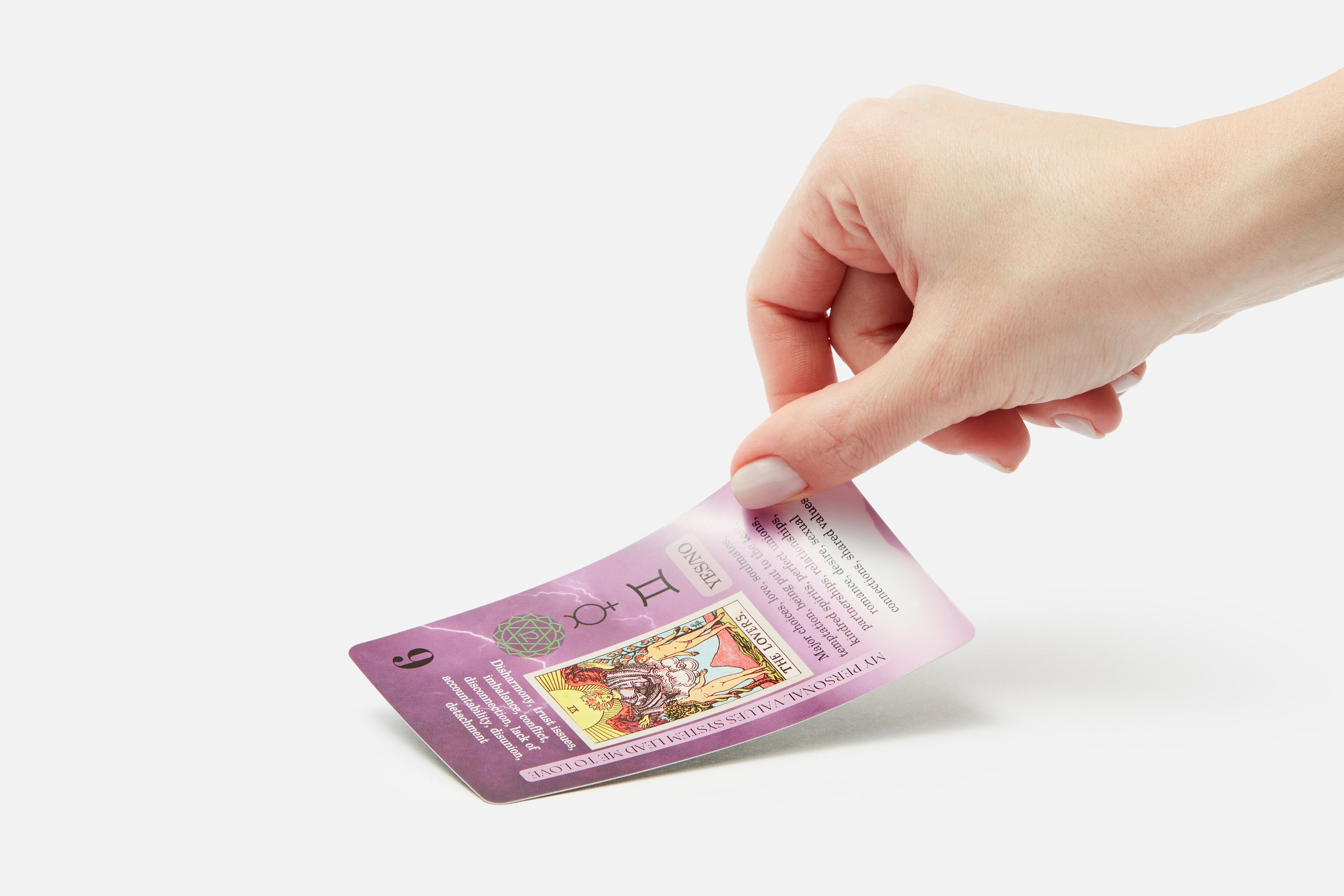
The tarot deck is divided into the Major Arcana (22 cards representing life’s big themes) and the Minor Arcana (56 cards reflecting everyday experiences). Rather than tackling them separately, consider how they interact. For example, a Major Arcana card like The Lovers might appear in a reading about relationships, but its presence could also hint at a deeper choice or alignment with your values. Meanwhile, a Minor Arcana card like the Eight of Wands could suggest fast-moving events or communication.
To simplify your learning, group cards by their elemental associations:
- Wands (Fire): Creativity, passion, ambition
- Cups (Water): Emotions, relationships, intuition
- Swords (Air): Intellect, conflict, communication
- Pentacles (Earth): Money, work, stability
This elemental framework helps you see connections between cards and understand their broader themes without relying on rote memorization.
Common Pitfalls and How to Overcome Them
Many beginners stumble when they try to force a card’s meaning to fit their reading. For example, seeing the Ten of Swords and immediately assuming doom and gloom ignores the card’s potential for rebirth or surrender. To avoid this, ask yourself:
- Is this card’s energy positive, negative, or neutral in this context?
- What emotions does this card evoke for me right now?
- How does this card relate to the question or situation I’m exploring?
Another challenge is over-reliance on guidebooks. While they’re useful for reference, they shouldn’t dictate your interpretation. Instead, use them to spark ideas, then trust your own insights. Remember, tarot is a tool for self-reflection, not a test with right or wrong answers.
Practical Tips for Reading Tarot with Ease
Start with simple spreads to build confidence. A one-card pull is perfect for daily reflections, while a three-card spread (past, present, future) helps you see connections between events. As you grow, experiment with more complex layouts, but always keep your focus on the cards’ energy rather than their traditional meanings.
Here are a few additional tips to streamline your practice:
- Stick to One Deck: Familiarity with a single deck’s imagery makes it easier to interpret cards intuitively.
- Set an Intention: Before shuffling, clarify what you hope to learn. This keeps your readings focused and meaningful.
- Embrace Reversed Cards: Reversals can indicate blocked energy, internal struggles, or a need to reflect. Don’t shy away from them—explore their nuances.
- Practice Regularly: The more you read, the more natural it becomes. Even a quick daily pull can sharpen your skills.
Conclusion
Tarot is not about memorizing a rigid set of meanings—it’s about tapping into your intuition and connecting with the cards on a personal level. By focusing on keywords, symbols, and your own emotional responses, you’ll move beyond the limitations of traditional interpretations and create readings that are uniquely yours. Remember, the cards are a mirror; they reflect back what you already know but may not yet see. Trust yourself, stay curious, and let tarot become a journey of self-discovery rather than a test of memory. With practice, you’ll find that the meanings flow naturally, and your readings will resonate with depth and authenticity.
Leave a Reply