Short Answer
Embark on a journey into the mystical world of tarot, where each card is a doorway to deeper self-discovery, ancient wisdom, and intuitive insight. This comprehensive guide unlocks the secrets of the entire tarot deck, revealing the profound meanings behind each card and how they weave together to tell your personal story. Whether you’re a seasoned reader or a curious beginner, you’ll uncover the unique language of symbols, archetypes, and metaphors that make tarot a timeless tool for reflection and guidance. Prepare to see the ordinary in extraordinary ways as we explore the complete set of 78 tarot cards—from the Fool’s leap of faith to the World’s completion—and everything in between.
The Fool’s Journey: Understanding the Major Arcana
The Major Arcana consists of 22 cards, each representing a significant life lesson or spiritual milestone. These cards are the heart of the tarot, embodying universal themes that resonate across cultures and centuries. The Fool, numbered 0, begins the journey as a symbol of new beginnings, spontaneity, and boundless potential. As you move through the deck—from the Magician’s mastery of the elements to the Tower’s sudden upheaval—you’ll recognize the stages of personal growth: ambition, love, conflict, transformation, and ultimately, enlightenment. The Major Arcana acts as a roadmap, mirroring the hero’s journey in mythology, where each card is a chapter in your soul’s evolution.
Everyday Magic: The Minor Arcana and Its Four Suits
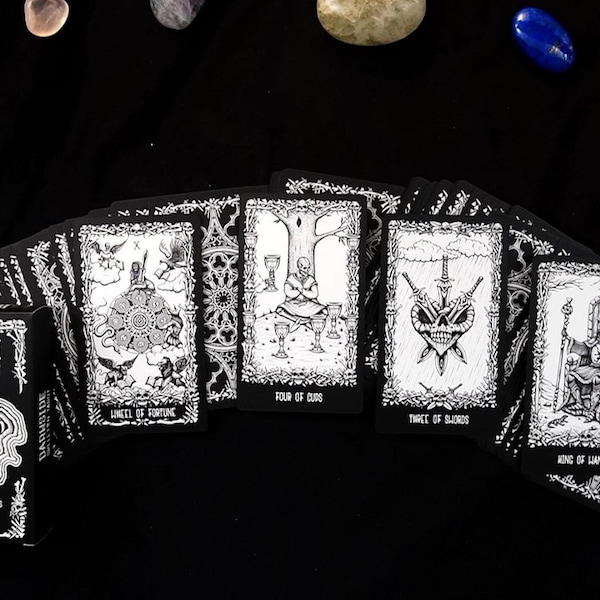
While the Major Arcana speaks to grand themes, the Minor Arcana—comprising 56 cards—grounds the tarot in the rhythms of daily life. Divided into four suits—Wands, Cups, Swords, and Pentacles—each suit corresponds to an element and a facet of human experience. Wands, associated with fire, ignite passion, creativity, and ambition. Cups, tied to water, flow with emotions, relationships, and intuition. Swords, ruled by air, cut through illusions with logic, conflict, and clarity. Pentacles, connected to earth, ground us in material reality, wealth, and practicality. Together, these suits create a tapestry of human existence, offering nuanced insights into challenges, opportunities, and the subtle energies that shape our days.
Court Cards: The Personalities and Energies Within
The 16 Court Cards—Page, Knight, Queen, and King of each suit—are often the most intriguing and misunderstood part of the deck. These cards represent people, personality traits, or even situations that influence your life. A Queen of Cups might embody emotional depth and compassion, while a Knight of Swords could signal a fast-moving, assertive energy. Court Cards can also reflect aspects of yourself that you’re embodying or need to develop. Their dynamic nature makes them powerful tools for understanding relationships, personal growth, and the roles you play in different areas of your life. Learning to interpret these cards adds a layer of depth, allowing you to see the world—and yourself—through a multifaceted lens.
The Language of Symbols: Decoding Imagery and Metaphor
Tarot is a visual language, where every image, color, and gesture holds meaning. The High Priestess, draped in mystery, sits between two pillars, one black and one white, symbolizing duality and hidden knowledge. The Chariot, with its armored figure and sphinxes, represents determination and the balance of opposing forces. Even the smallest details—a rose in the Magician’s hand, a crown of stars in the Empress’s hair—are deliberate, inviting you to pause and reflect. Understanding these symbols transforms the tarot from a simple card game into a profound tool for introspection. By studying the imagery, you’ll develop a personal connection to the deck, making each reading uniquely resonant.
Reading the Cards: Spreads and Intuition
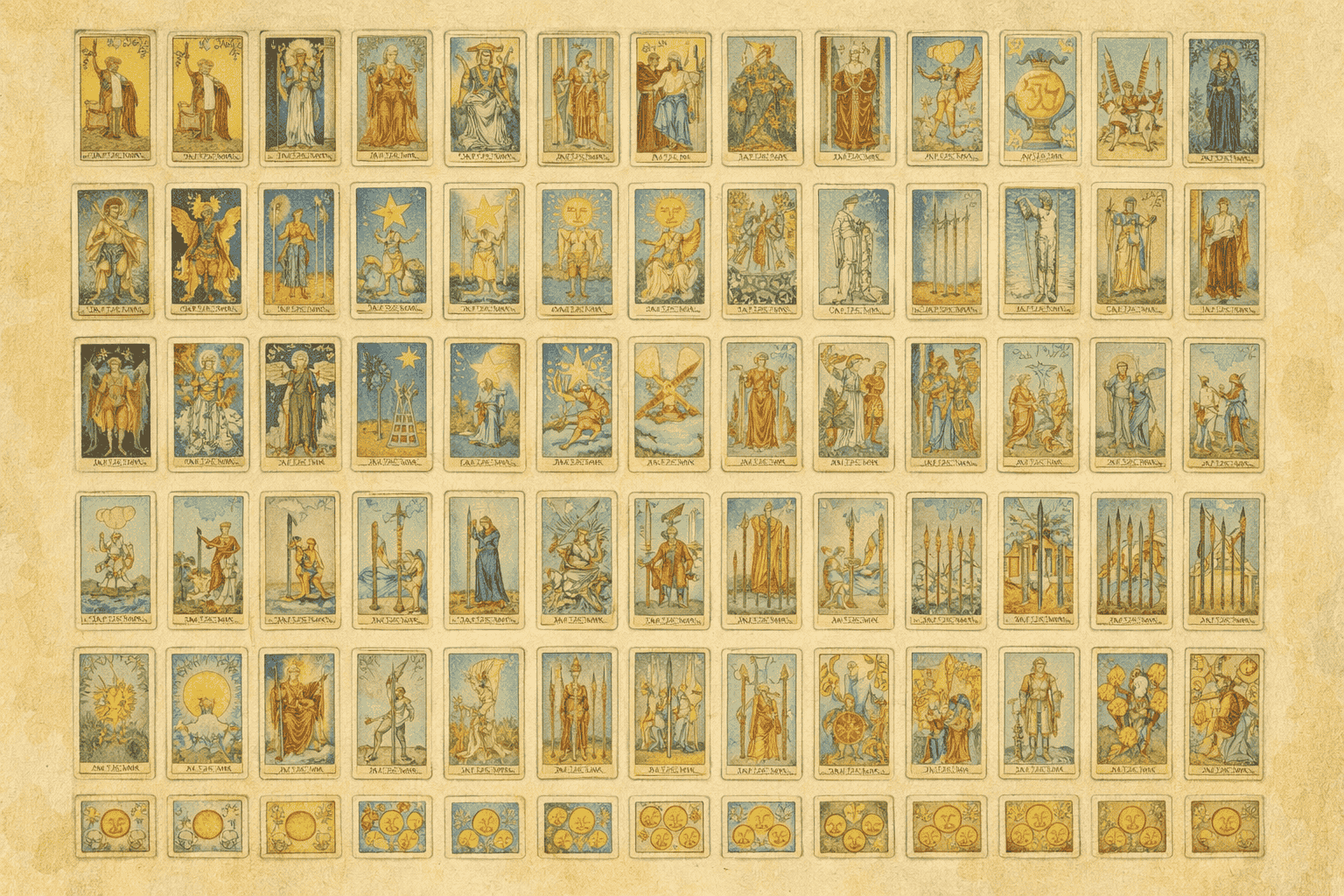
The true magic of tarot lies in how you use it. While single-card pulls offer quick insights, spreads like the Celtic Cross or the Three-Card Spread provide deeper context. A spread acts as a narrative framework, guiding the cards to reveal patterns, challenges, and potential outcomes. However, tarot is not about rigid interpretations—it’s about intuition. Trust your first impressions when a card resonates strongly, even if it defies traditional meanings. The more you practice, the more you’ll attune to the subtle messages the deck offers. Keep a journal to track your readings, noting how cards interact and evolve in different contexts. Over time, you’ll develop a personal dialogue with your deck, making each session a conversation rather than a consultation.
Tarot as a Mirror: Reflecting Inner Truths
Beyond divination, tarot serves as a mirror, reflecting your subconscious thoughts, fears, and desires. The cards don’t predict the future; they illuminate the present, helping you navigate decisions with clarity. For example, pulling the Ten of Swords might indicate a painful ending, but it also signals the opportunity for renewal. The Eight of Pentacles suggests diligence and craftsmanship, reminding you that mastery comes with practice. By engaging with the tarot, you confront aspects of yourself you might otherwise overlook, fostering self-awareness and growth. It’s a practice of active listening, where the deck becomes a trusted companion on your journey toward wholeness.
Choosing Your Deck: Finding the Right Fit
With countless tarot decks available, each with its own artistic style and energy, selecting the right one is a personal experience. Some decks, like the classic Rider-Waite-Smith, are steeped in tradition, while others, like the Wild Unknown or the Modern Witch Tarot, offer fresh, contemporary interpretations. Visit a metaphysical shop or browse online to feel the energy of different decks. Notice which illustrations captivate you, which colors evoke emotion, and which themes resonate deeply. Your deck should feel like an extension of yourself—a tool that inspires and comforts you. Once chosen, bond with your deck by shuffling it regularly, sleeping with it under your pillow, or simply holding it to absorb its vibrations.
Ethics and Responsibility in Tarot Reading
Tarot is a powerful tool, and with that power comes responsibility. Approach readings with integrity, avoiding fear-based interpretations or definitive predictions that strip away free will. Remember, the cards are a guide, not a cage. Use them to empower, not to control. If reading for others, always ask for consent and maintain confidentiality. Avoid giving medical, legal, or financial advice unless you’re qualified to do so. Tarot should uplift, not overwhelm. By adhering to ethical practices, you honor the tradition while ensuring your readings remain a force for good.
Conclusion
The tarot deck is more than a collection of cards—it’s a living, breathing system of wisdom that has evolved over centuries yet remains eternally relevant. From the bold declarations of the Major Arcana to the quiet whispers of the Minor Arcana, each card offers a piece of the puzzle that is your life. Whether you seek answers, clarity, or simply a deeper connection to your intuition, the tarot provides a language to articulate the inexpressible. Embrace the journey, trust the process, and let the cards guide you toward the truths you’re ready to uncover. The deck is waiting. Are you?
FAQ
What is the difference between Major and Minor Arcana?
The Major Arcana cards represent major life lessons and spiritual themes, while the Minor Arcana cards reflect everyday experiences across four suits.
How do I interpret Court Cards?
Court Cards often symbolize people or personality traits and can indicate influences or roles in one's life.
Can tarot predict the future?
Tarot is not a tool for predicting the future but for illuminating present circumstances and possibilities.
How do I select the right tarot deck?
Select a deck that resonates with your intuition and emotional response to its imagery and energy.
What ethical practices should I follow when reading tarot?
Always seek consent, avoid fear-based readings, respect privacy, and refrain from giving advice outside your qualifications.
Leave a Reply