Short Answer
Welcome to your comprehensive guide on understanding Tarot Reading Cards Meanings—The Pull Explained. Whether you’re a curious beginner or someone looking to deepen your spiritual practice, this guide will walk you through the core concepts of tarot card pulls, their significance, and how to interpret them meaningfully. By the end, you’ll gain clarity on why tarot resonates so deeply with people and how to approach your own readings with confidence.
What Is a Tarot Card Pull?
A tarot card pull, often called a “tarot reading” or “tarot spread,” is a practice where one or more cards are drawn from a tarot deck to gain insight into a question, situation, or life path. The act of pulling cards is not just random—it’s believed to tap into intuitive and subconscious knowledge, offering guidance that may not be immediately apparent through logical reasoning. A single-card pull is the simplest form, often used for quick clarity or daily guidance. Multi-card spreads, like the Celtic Cross, provide deeper context by examining various aspects of a situation, such as challenges, influences, and potential outcomes. The beauty of a tarot pull lies in its ability to reveal hidden patterns, emotions, and truths that might otherwise go unnoticed.
The Symbolism Behind Tarot Cards
Tarot decks consist of 78 cards divided into two main groups: the Major Arcana and the Minor Arcana. The Major Arcana contains 22 cards, each representing significant life themes and spiritual lessons. Cards like The Fool, The Lovers, and Death symbolize pivotal moments or archetypes that shape our journey. The Minor Arcana, with 56 cards, mirrors a standard deck of playing cards and focuses on everyday experiences. It’s divided into four suits—Cups, Pentacles, Swords, and Wands—each corresponding to emotional, material, intellectual, and creative aspects of life. Understanding these symbols is crucial because tarot speaks in metaphors. For example, seeing The Tower card might indicate sudden change or upheaval, while The Star suggests hope and inspiration. The more familiar you become with these images and their traditional meanings, the more nuanced your interpretations will become.
How to Perform a Tarot Pull
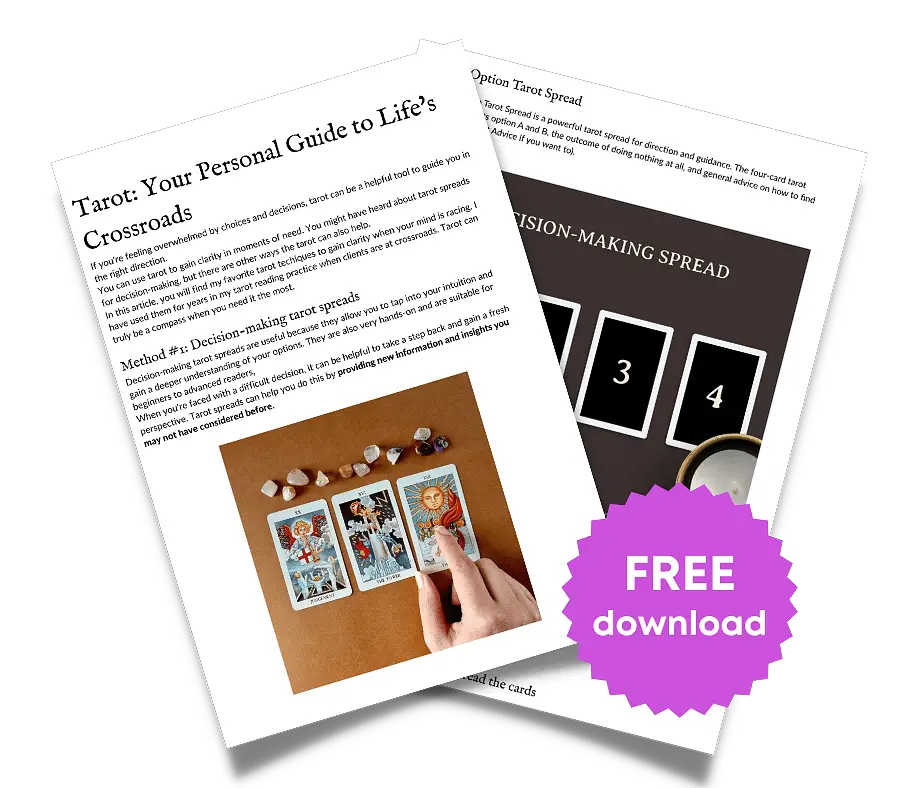
Performing a tarot pull begins with setting an intention. Ask yourself what you hope to gain from the reading—whether it’s guidance on a relationship, career advice, or personal growth. Once your intention is clear, shuffle the deck while focusing on your question or situation. Some readers prefer to cut the deck into three piles and reassemble it, believing this adds a layer of personal energy to the process. When you feel ready, draw your card(s). For a single-card pull, lay one card face down and flip it over slowly, observing your initial reaction. Does the image evoke a strong emotion? Does it feel heavy or light? Trust your first impression, as it often reveals the most authentic message. For multi-card spreads, lay out the cards in a specific pattern and interpret each position before weaving them into a cohesive narrative.
Interpreting the Cards: Key Elements to Consider
Interpreting tarot cards involves more than memorizing their traditional meanings—it requires intuition and context. Start by noting the card’s imagery: colors, symbols, and figures can all provide clues. For instance, a card dominated by red hues might signify passion or anger, while blue tones often relate to calmness or communication. Pay attention to the card’s upright or reversed position. While upright cards generally reflect the card’s traditional meaning, reversed cards can indicate blocked energy, internal struggles, or a need to reflect inward. However, some readers avoid reversals, arguing that the card’s energy is always present regardless of its orientation. Another important factor is the card’s placement in a spread. In a three-card spread representing past, present, and future, the same card could have entirely different meanings depending on its position. Always consider the surrounding cards as well; they often create a story that offers deeper insight.
Common Misconceptions About Tarot Pulls
One of the most pervasive myths about tarot is that it predicts the future with absolute certainty. In reality, tarot offers guidance and potential outcomes based on current energies and choices. It’s a tool for reflection, not a crystal ball. Another misconception is that tarot is tied to any specific religion or belief system. While tarot has roots in mysticism and occult traditions, it’s ultimately a personal tool that can be adapted to fit any spiritual or secular framework. Some people also believe that only psychics or gifted individuals can read tarot effectively. In truth, anyone can learn to read tarot with practice and an open mind. The key is to approach the cards without judgment and allow your intuition to guide you. Over time, you’ll develop a unique relationship with your deck, making each pull a more personalized and meaningful experience.
Why Are People So Fascinated by Tarot?
The enduring fascination with tarot stems from its ability to provide clarity in uncertain times. In a world filled with noise and distractions, tarot offers a moment of pause—a chance to slow down and listen to one’s inner voice. The cards act as a mirror, reflecting not just external circumstances but also internal conflicts, desires, and fears. This introspective quality makes tarot deeply therapeutic for many. Additionally, tarot’s visual and symbolic language appeals to the human psyche’s love for storytelling. Each card is a snapshot of a universal human experience, whether it’s love, loss, ambition, or transformation. The act of pulling cards can feel like uncovering hidden chapters of one’s life story, making it both empowering and cathartic. For others, tarot serves as a bridge between the conscious and subconscious mind, helping to unlock insights that rational thought alone might miss. Its blend of mystery, artistry, and personal relevance ensures that tarot remains a beloved tool for self-discovery across cultures and generations.
Conclusion
Tarot reading is more than just a divination tool—it’s a journey into self-awareness and intuitive wisdom. By understanding the meanings behind the cards, learning how to perform a pull, and interpreting the results with an open heart, you can unlock profound insights into your life’s path. Whether you use tarot for guidance, meditation, or creative inspiration, remember that the cards are a reflection of your own energy and choices. Approach each reading with curiosity and compassion, and allow the messages to unfold naturally. As you grow more comfortable with the process, you’ll likely find that tarot becomes not just a source of answers, but a trusted companion on your journey of growth and discovery.
FAQ
What is a tarot card pull?
A tarot card pull is the process of drawing one or more cards from a tarot deck to gain insights into a question or situation.
How do you interpret tarot cards?
Interpreting tarot cards involves considering the imagery, symbolism, and position of each card along with your intuition.
Can anyone learn to read tarot?
Yes, anyone can learn to read tarot with practice and an open mind.
Leave a Reply