Short Answer
Embark on a journey into the mystical world of tarot, where ancient symbols whisper secrets of your past, present, and future. This guide is your key to unlocking the hidden language of the cards, allowing you to decode their messages with unprecedented speed and clarity. Whether you’re a seasoned reader or a curious beginner, you’ll discover how to interpret the cards like never before, transforming confusion into confidence and uncertainty into insight. Dive deep into the art of tarot reading as we unravel the mysteries behind each symbol, spread, and nuance, empowering you to see beyond the surface and connect with the deeper truths of your life.
The Language of Symbols: How Tarot Speaks to You
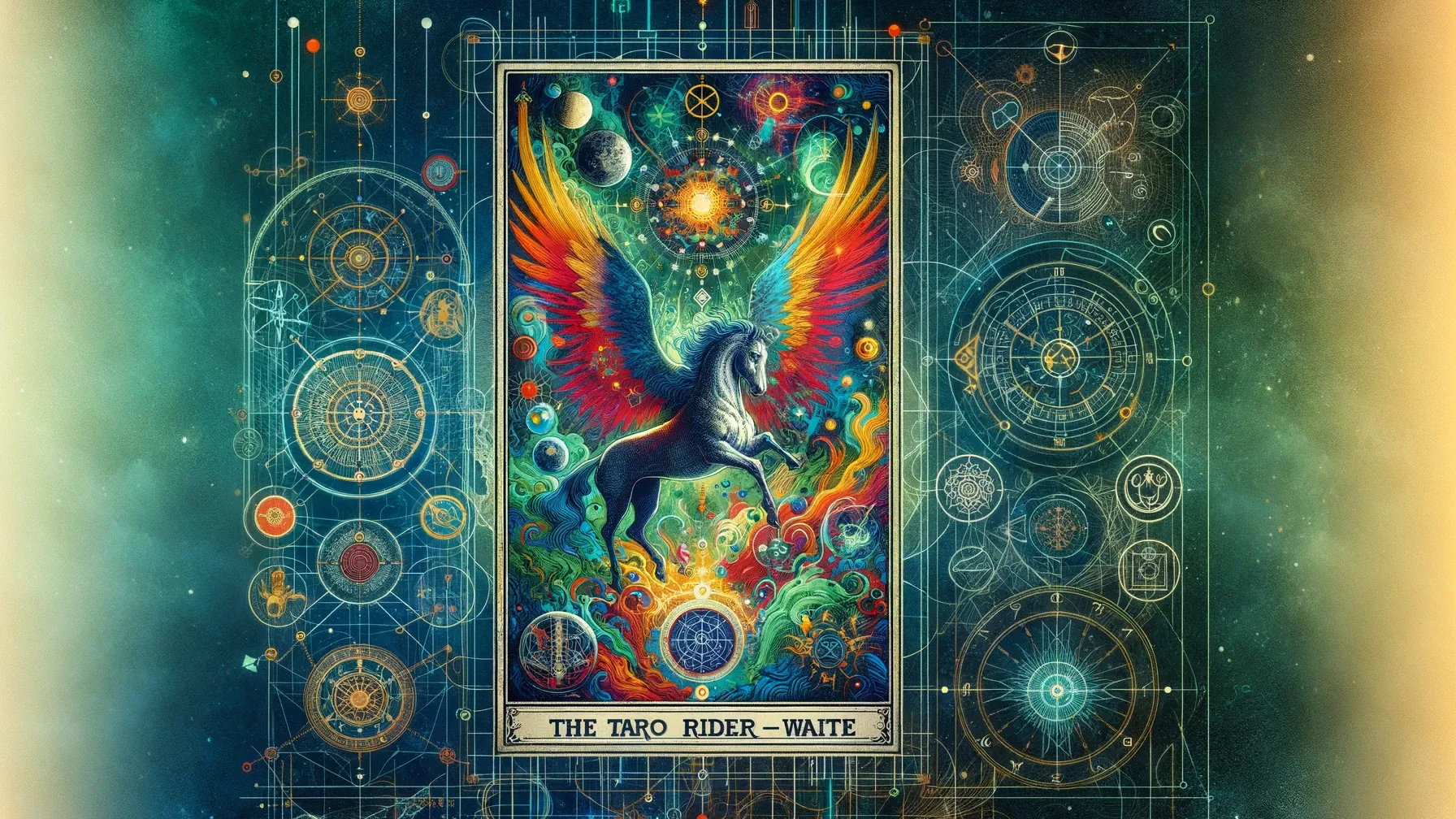
Tarot is a visual language, where every image, color, and figure carries a unique vibration and meaning. Unlike written words, tarot communicates through metaphor and symbolism, tapping into the subconscious to reveal truths that words often cannot express. The Major Arcana, with its iconic figures like The Fool, The Magician, and The High Priestess, acts as a roadmap of life’s journey, while the Minor Arcana reflects the everyday experiences and challenges we face. To decode tarot faster, start by familiarizing yourself with the core symbols: numbers represent stages of growth, suits mirror the elements (fire, water, air, earth), and characters embody archetypal energies. For example, The Tower’s lightning bolt isn’t just a dramatic image—it symbolizes sudden upheaval, a wake-up call from the universe. By learning to recognize these symbols in your daily life, you’ll begin to see tarot as a mirror rather than a mystery.
Reading Beyond the Cards: Context is Everything
Speed in tarot reading doesn’t come from memorizing definitions—it comes from understanding context. A single card can shift meaning dramatically depending on its position in a spread, the surrounding cards, and the question asked. For instance, The Death card, often feared, rarely signifies literal death; instead, it represents transformation and endings that make way for new beginnings. To decode messages faster, practice reading cards in pairs or small clusters. Notice how The Lovers card next to The Devil might suggest a toxic relationship, while The Lovers next to The Star could indicate a soulful, harmonious connection. Pay attention to the “story” the cards tell together. Ask yourself: What emotions do these images evoke? What patterns do they form? Over time, your intuition will sharpen, allowing you to bypass the need for rigid interpretations and trust your first impression.
The Power of Intuition: Trust Your First Glance
Tarot is as much about intuition as it is about symbolism. The fastest readers aren’t those who rely solely on guidebooks—they’re the ones who listen to their gut. When you draw a card, pause for a moment and note your immediate reaction. Does it feel heavy or light? Does a specific image or color stand out? Your subconscious mind often picks up on details your conscious mind overlooks. For example, if The Moon card appears and you instantly feel a sense of unease, it might be highlighting hidden fears or illusions in your life. To strengthen this skill, try “blind reading” where you shuffle the cards without looking and pull one at random, then journal your gut reaction before checking its traditional meaning. Over time, you’ll develop a personal lexicon of symbols that resonates uniquely with you.

Mastering the Spreads: From Simple to Sophisticated
Not all tarot spreads are created equal—some are designed for quick insights, while others dive deep into complex questions. To decode messages faster, start with simple layouts like the One-Card Draw or the Three-Card Spread (Past, Present, Future). These formats force you to distill the essence of the reading without getting lost in too many variables. As you grow more confident, experiment with spreads like the Celtic Cross or the Horseshoe Spread, which offer layered insights. For speed, focus on spreads that align with your question’s scope. For example, if you’re seeking clarity on a decision, a Two-Card Spread (Situation and Outcome) can provide a clear path forward. Remember, the goal isn’t to use the most elaborate spread—it’s to use the one that serves your question best.
The Role of Reversed Cards: Flipping the Script
Reversed cards add depth to a reading, but they can also slow down beginners who overthink their meanings. Instead of viewing reversals as “negative” interpretations, see them as signals to look deeper. A reversed card might indicate an internal struggle, a delayed outcome, or a need to revisit a situation from a new angle. For example, The Chariot reversed could suggest a lack of direction, while The Chariot upright points to determination. To decode reversals faster, ask: Is this card asking me to pause, reflect, or change course? Trust that reversals often highlight areas where you have control or influence, rather than fixed “bad” outcomes. Practice by pulling a single card and interpreting both its upright and reversed meanings side by side—this exercise will sharpen your ability to see the full spectrum of each card’s message.
Speed-Reading Techniques: Train Your Brain Like a Tarot Pro
Becoming a fast tarot reader is like learning a new language—it requires practice, but with the right techniques, fluency comes quicker than you think. One powerful method is “keyword association,” where you assign a single word or phrase to each card (e.g., The Empress = Nurturing, The Tower = Upheaval). This mental shortcut helps you recall meanings instantly during a reading. Another technique is “card pairing,” where you pull two cards and focus on their relationship rather than their individual meanings. For example, The Hermit and The Star together might suggest a period of introspection leading to hope. To build speed, set a timer for one minute per card and practice pulling random cards, jotting down your first impressions before consulting a guidebook. The more you do this, the more your brain will associate symbols with meanings without conscious effort.
Common Pitfalls: What’s Slowing Down Your Decoding?
Even the most enthusiastic tarot readers can hit roadblocks that slow down their interpretations. One major pitfall is over-reliance on guidebooks, which can make readings feel robotic and disconnected from intuition. Another is ignoring the question’s energy—if you ask a vague question like “What do I need to know?” the cards will reflect that vagueness. To avoid this, always frame your question with clarity and intention. Additionally, fear of making “mistakes” can paralyze your reading. Remember, there are no wrong interpretations in tarot—only layers of meaning waiting to be uncovered. If a card’s message feels off, ask yourself why it resonates (or doesn’t) with your current situation. The cards are tools, not oracles; their power lies in how you engage with them.
Conclusion: Your Tarot Journey Awaits
Decoding tarot messages faster isn’t about rushing the process—it’s about deepening your connection to the cards and trusting your innate wisdom. As you practice, you’ll find that the symbols begin to speak to you in a language all your own, one that’s richer and more personal than any guidebook could provide. Start with the basics, embrace your intuition, and let the cards guide you toward insights you never thought possible. The secrets of tarot are yours to uncover; all you need is an open mind and a willingness to listen. Your journey into the heart of the deck begins now—what will the cards reveal to you?
FAQ
What is tarot reading speed?
Tarot reading speed refers to how quickly a reader can interpret and understand the messages conveyed by the cards.
How can I improve my tarot reading speed?
Improve speed by memorizing key symbols, practicing simple spreads, trusting intuition, and using mental shortcuts like keyword association.
Are reversed cards important in tarot readings?
Yes, reversed cards provide additional layers of meaning, indicating delays, internal conflicts, or alternative perspectives.
Why is context important in tarot reading?
Context changes the meaning of cards depending on their position, neighboring cards, and the question asked, making readings more accurate.
Leave a Reply