Short Answer
Card Overview
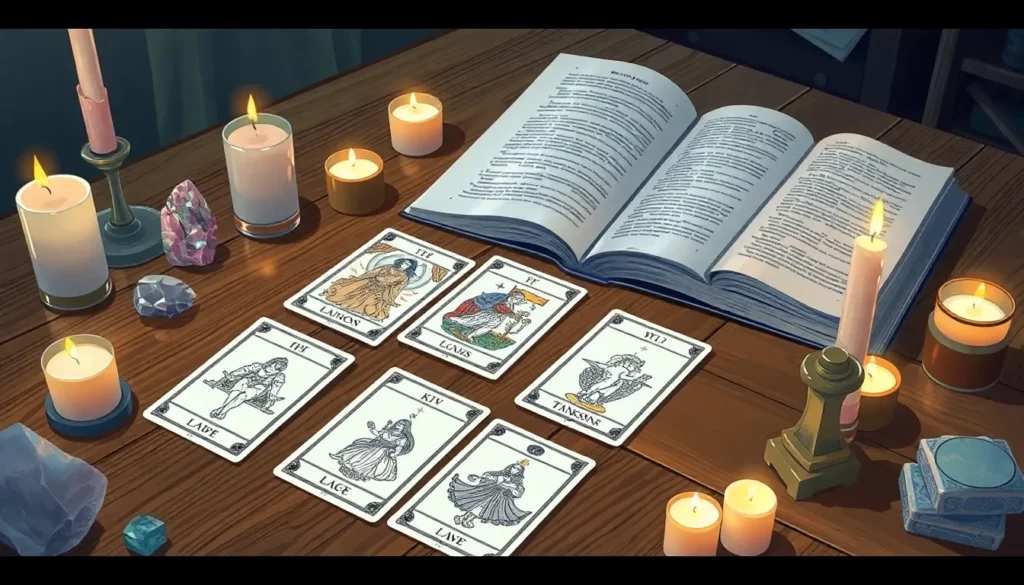
Tarot cards are a deck of 78 cards used primarily for divination, self-reflection, and guidance. Each card carries its own symbolism, emotional tone, and thematic message. Understanding the general role of tarot cards within a reading is essential for beginners. Cards often represent archetypal energies or life situations, providing insight into past, present, or future contexts when laid out in spreads. Their significance lies in their ability to facilitate introspection and decision-making by highlighting underlying factors or possibilities.
Upright Meaning
When a tarot card appears upright in a reading, it typically conveys a direct, active message. Upright positions emphasize clear energies such as opportunity, growth, success, or positive lessons. These meanings encourage the querent to embrace change, act decisively, or recognize beneficial influences in their life. The upright meaning often reflects practical advice, suggesting the best course of action or mindset to navigate a situation effectively.
Reversed Meaning
Reversed tarot cards indicate blocked or internalized energy, delays, or challenges. The reversed position may soften or alter the upright interpretation, pointing to obstacles, misunderstandings, or the need for caution. This position often invites reflection on what must be released or reconsidered. It can signal internal conflict, imbalance, or a shadow aspect of the card’s symbolism that requires awareness and adjustment to restore harmony.
Love Meaning
In love and relationships, tarot cards provide insight into emotional connections, communication, and personal dynamics. Cards can reveal the nature of attraction, compatibility, or challenges within romantic situations. For singles, cards may suggest readiness for new relationships or identify emotional blocks. For those in relationships, they can indicate growth opportunities, potential conflicts, or deeper levels of commitment and healing.
Career Meaning
Tarot cards applied to career contexts highlight work-related opportunities, challenges, and decisions. They can shed light on workplace dynamics, leadership potential, creativity, and long-term ambitions. Cards may suggest the need for strategic planning, adaptation, or conflict resolution. Understanding these meanings helps individuals align their professional paths with their values and goals.
Money Meaning
When interpreted in financial terms, tarot cards address income, spending habits, investments, and material security. Cards may advise caution or encourage growth, signaling times to save, take risks, or reassess financial priorities. They reflect one’s relationship with money and can highlight the importance of discipline, generosity, or abundance consciousness in managing resources.
Spiritual Meaning
Spiritually, tarot cards guide inner growth, self-awareness, and connection to higher wisdom. They often reveal karmic lessons, personal transformations, or intuitive insights. Cards encourage reflection on one’s spiritual path and offer messages for healing, mindfulness, and deeper understanding. This dimension of tarot supports the development of intuition and holistic awareness.
Yes or No Meaning
Many tarot readers use cards to answer yes-or-no questions, though responses are often nuanced. Some cards generally lean toward ‘yes’ or ‘no,’ while others suggest ‘maybe’ or conditional answers depending on context and surrounding cards. The energy of the card and the question’s nature influence the interpretation, making it important to consider the full reading rather than relying solely on a binary response.
Symbolism
Tarot cards are rich with symbols including colors, numbers, figures, and objects. Each element contributes layers of meaning. For example, colors may evoke emotions or elemental associations; numbers often correspond to numerological significance; figures and objects represent archetypes, actions, or concepts. Recognizing these symbols helps readers intuitively connect with the card’s message and interpret it more accurately during readings.
Card Combinations
The meaning of a tarot card can shift considerably depending on the other cards it appears with in a spread. Combinations with Major Arcana cards may intensify or clarify the message, while pairing with court cards can highlight specific personalities or roles. Cards from the same suit may reinforce themes, whereas contrasting cards might introduce complexity or caution. Understanding common combinations allows readers to discern nuanced meanings and provide more comprehensive interpretations.
FAQ
Do I need psychic abilities to read tarot cards?
No, tarot reading primarily relies on understanding card meanings and symbolism. Intuition can enhance readings but is not mandatory.
How do I start learning tarot as a beginner?
Begin by familiarizing yourself with the deck, learning card meanings, practicing simple spreads, and reflecting on how cards relate to real-life situations.
Can tarot predict the future accurately?
Tarot is better understood as a tool for guidance and insight rather than precise prediction. It highlights possibilities based on current energies and choices.
Leave a Reply