Short Answer
Welcome to a journey through the enigmatic world of Tarot Trumps—the Major Arcana. This guide will illuminate the profound symbolism, historical roots, and psychological depth of these 22 archetypal cards. Whether you’re a seasoned reader or a curious newcomer, you’ll uncover the hidden layers of meaning that make the Major Arcana a timeless tool for introspection and divination. Prepare to explore the Fool’s leap of faith, the Magician’s mastery, and the transformative power of Death—not as a harbinger of doom, but as a symbol of rebirth. By the end, you’ll see how these cards weave a narrative of human experience, from innocence to enlightenment.
The Major Arcana: A Mirror to the Human Soul
The Major Arcana, often referred to as the “trumps” or “atouts,” consists of 22 cards that stand apart from the Minor Arcana’s 56 cards. These cards are not merely random symbols; they form a grand allegory of life’s journey, from the innocence of The Fool (Card 0) to the wisdom of The World (Card 21). Each card represents a pivotal stage, lesson, or archetype that resonates across cultures and centuries. Unlike the Minor Arcana, which deals with day-to-day events, the Major Arcana delves into the soul’s evolution, offering a roadmap to self-discovery.
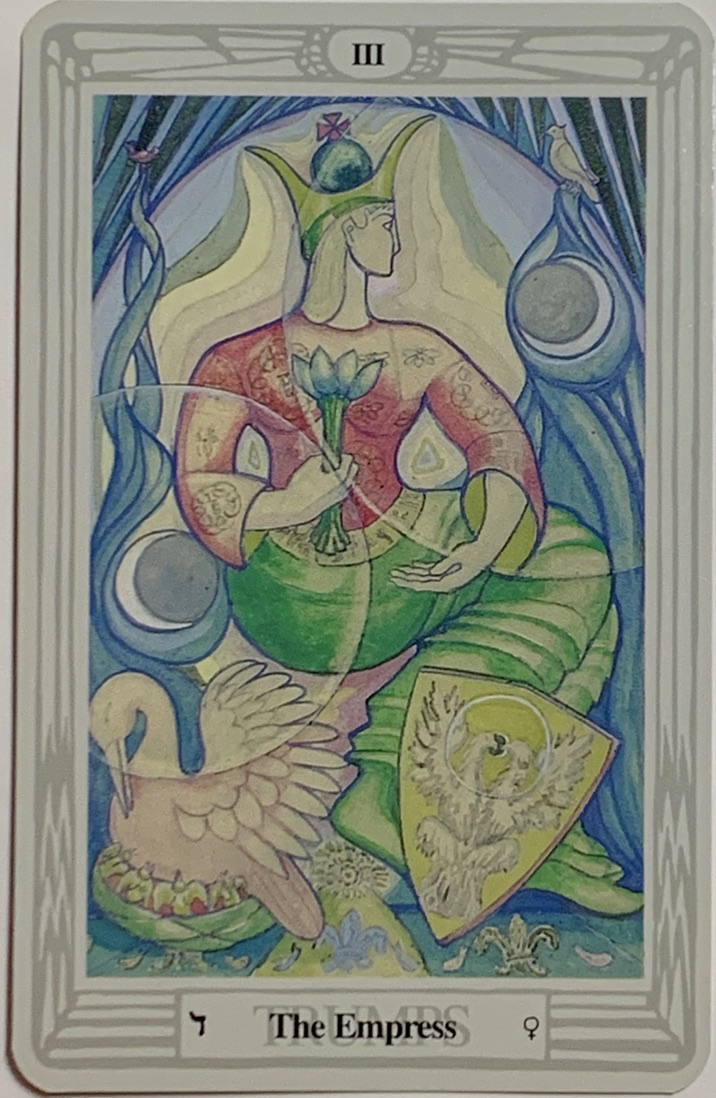
The sequence of the Major Arcana is not arbitrary. It follows a narrative arc that mirrors the hero’s journey, a concept popularized by Joseph Campbell. The Fool’s spontaneous leap into the unknown sets the stage, while The Magician (Card I) equips the seeker with tools for manifestation. As the journey progresses, cards like The High Priestess (Card II) and The Empress (Card III) introduce intuition and nurturing energy, while The Emperor (Card IV) and The Hierophant (Card V) bring structure and tradition. This progression reflects the balance between opposing forces—light and shadow, action and reflection, freedom and discipline.
Symbolism and Imagery: Decoding the Visual Language
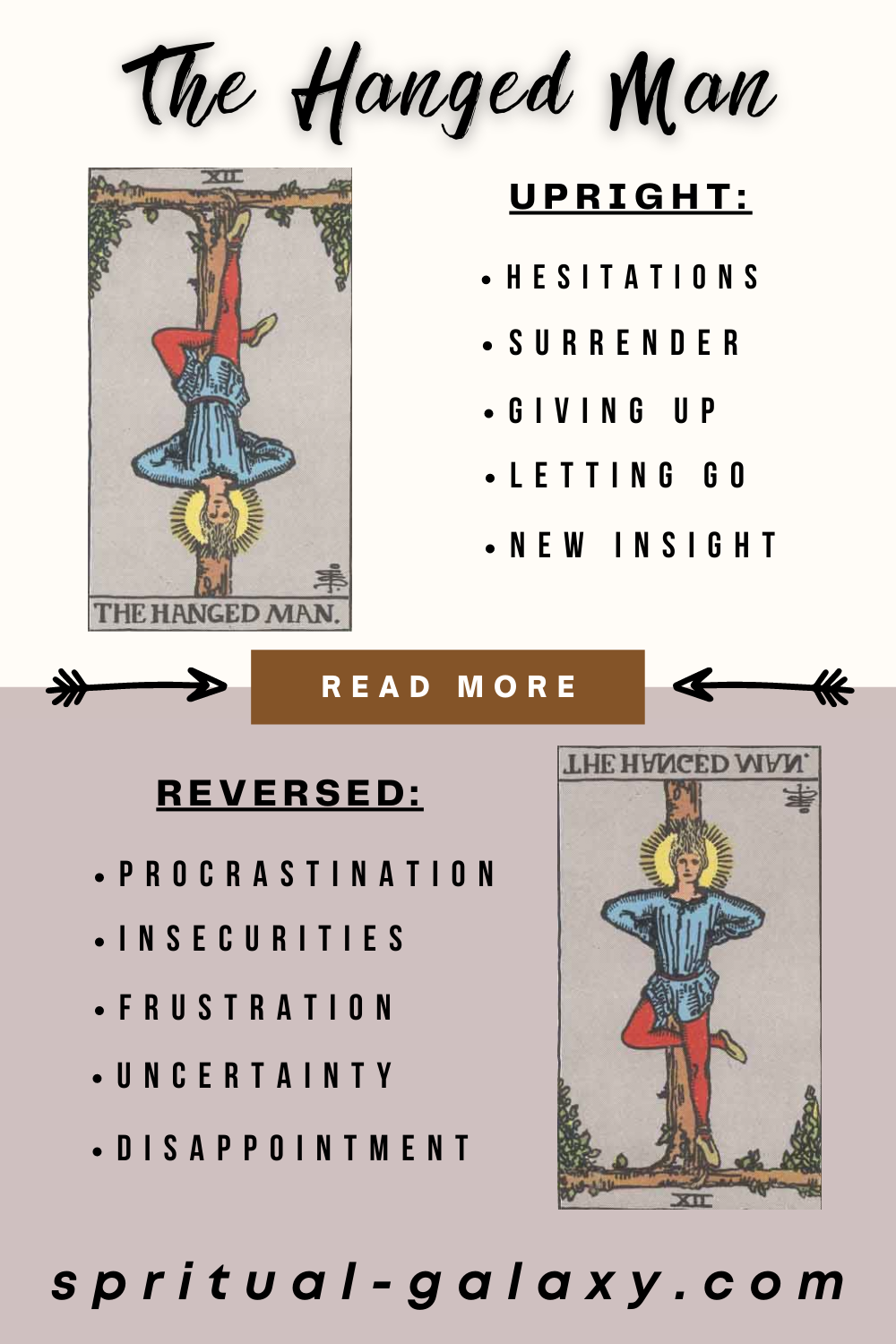
The power of the Major Arcana lies in its rich symbolism, which speaks to the subconscious mind. Every element in these cards—from the colors and gestures to the objects and animals—carries layered meanings. For instance, The Chariot (Card VII) often depicts a warrior in a chariot pulled by sphinxes, symbolizing the triumph of will over opposing forces. The sphinxes, representing opposing energies (e.g., conscious vs. unconscious), must be harnessed and directed toward a unified goal. Similarly, The Hanged Man (Card XII) challenges conventional perceptions; the figure’s upside-down posture suggests a shift in perspective, where surrender becomes a path to enlightenment.
Color plays a crucial role in conveying emotion and energy. In The Lovers (Card VI), the red and blue hues of the angel’s wings represent passion and spirituality, while the serpent in The Devil (Card XV) embodies temptation and bondage. The stark contrast between light and dark in cards like The Moon (Card XVIII) and The Sun (Card XIX) underscores the duality of human experience—illusion versus clarity, fear versus joy. Understanding these visual cues allows readers to interpret the cards with greater depth, revealing messages that resonate on a personal and universal level.
The Fool’s Journey: A Narrative of Transformation
The Major Arcana is often described as a “Fool’s Journey,” a metaphorical path that begins with The Fool and ends with The World. This journey is not linear but cyclical, reflecting the eternal recurrence of life’s lessons. The Fool, typically depicted as a carefree traveler with a small bag and a loyal dog, represents pure potential. The dog symbolizes instinct, while the cliff edge warns of the risks of blind optimism. The Fool’s leap into the unknown is an invitation to embrace curiosity and trust the process, even when the outcome is uncertain.
As the journey unfolds, the Fool encounters challenges and allies. The Magician teaches the power of manifestation, while The High Priestess reveals the hidden knowledge of the subconscious. The Empress and Emperor embody the nurturing and structuring forces of nature and society, respectively. Cards like The Hermit (Card IX) and The Wheel of Fortune (Card X) introduce themes of introspection and the cyclical nature of life. Each card acts as a stepping stone, guiding the seeker toward greater self-awareness and spiritual growth. By the time The World (Card XXI) is reached, the Fool has transformed into a wise and integrated individual, having experienced the full spectrum of human emotions and lessons.
Archetypes and Psychological Depth: Jungian Perspectives
The Major Arcana resonates deeply with Carl Jung’s concept of archetypes—universal symbols and themes that emerge in myths, dreams, and art across cultures. Jung believed that these archetypes reside in the collective unconscious, influencing human behavior and creativity. The Major Arcana embodies many of these archetypes, making it a powerful tool for psychological exploration. For example, The Tower (Card XVI) represents the sudden collapse of illusions, a phenomenon Jung associated with the “shadow self”—the repressed aspects of the psyche that demand acknowledgment. Similarly, The Star (Card XVII) embodies hope and inspiration, aligning with Jung’s idea of the “self” as a unifying force within the psyche.
Readers often find that the Major Arcana mirrors their personal struggles and triumphs. A card like Strength (Card VIII), which depicts a woman gently subduing a lion, speaks to the power of compassion and inner resilience. Meanwhile, Justice (Card XI) reflects the universal desire for fairness and balance. These archetypes serve as a mirror, allowing individuals to confront their fears, desires, and contradictions. By engaging with the Major Arcana, one can tap into the collective wisdom of humanity, gaining insights that transcend personal experience.
Divination and Intuition: The Art of Tarot Reading
The Major Arcana is not just a philosophical tool; it is a practical one. Tarot readers use these cards to offer guidance, clarity, and perspective. A single card drawn from the Major Arcana can serve as a focal point for meditation or a catalyst for self-reflection. For instance, pulling The Death card (Card XIII) does not foretell literal demise but signals transformation and renewal. Similarly, The Ten of Swords (from the Minor Arcana) might indicate an ending, but The Death card in the Major Arcana suggests a deeper, spiritual rebirth.
The key to effective divination lies in intuition. While traditional meanings provide a foundation, the reader’s personal connection to the cards adds depth. Some readers interpret The Moon (Card XVIII) as a sign of deception or confusion, while others see it as a call to trust their instincts despite uncertainty. The Major Arcana invites a dialogue between the conscious and unconscious mind, allowing the seeker to uncover hidden truths. Whether used for personal growth or professional readings, these cards act as a bridge between the mundane and the mystical.
Cultural and Historical Evolution: From Playing Cards to Sacred Symbols
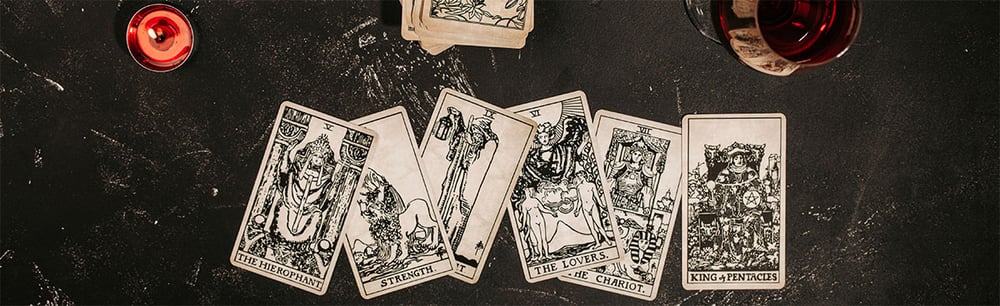
The Major Arcana’s origins trace back to 15th-century Europe, where tarot decks were initially used for games before evolving into divination tools. The earliest decks, like the Visconti-Sforza, featured intricate illustrations that reflected the aristocracy’s values and aspirations. Over time, the imagery of the Major Arcana became more esoteric, influenced by Hermeticism, Kabbalah, and alchemy. The Rider-Waite-Smith deck, published in 1909, revolutionized tarot by introducing vivid, narrative-driven illustrations that made the cards accessible to a wider audience.
Different cultures have adapted the Major Arcana to reflect their own spiritual and philosophical traditions. In the Thoth Tarot deck, Aleister Crowley and Lady Frieda Harris infused the cards with astrological, Qabalistic, and alchemical symbolism, creating a system that resonates with occultists. Meanwhile, the Marseille Tarot, one of the oldest surviving decks, emphasizes simplicity and directness, making it a favorite among purists. These variations highlight the Major Arcana’s versatility—it is both a universal language and a deeply personal tool.
Conclusion: The Major Arcana as a Living Tradition
The Major Arcana is far more than a collection of static symbols; it is a living tradition that evolves with each generation. Its appeal lies in its ability to adapt to the needs of the seeker, offering guidance for love, career, spirituality, and personal growth. Whether you view it through the lens of psychology, spirituality, or art, the Major Arcana remains a profound mirror to the human experience. It reminds us that life is a journey of constant transformation, where every challenge is an opportunity for growth and every ending a new beginning.
As you explore the Major Arcana, allow yourself to be drawn into its mysteries. Let The Fool’s courage inspire you, The High Priestess’s wisdom guide you, and The World’s completion remind you that every cycle holds the potential for renewal. The cards are not just tools for divination; they are companions on the path to self-discovery, inviting you to embrace the full spectrum of your humanity.
FAQ
What is the Major Arcana?
The Major Arcana is a set of 22 tarot cards that represent significant life lessons and archetypes in the tarot deck.
How do the Major Arcana cards differ from the Minor Arcana?
The Major Arcana cards focus on major life events and spiritual lessons, while the Minor Arcana deals with day-to-day situations.
What does the Fool card symbolize?
The Fool represents new beginnings, potential, and the courage to take risks.
Leave a Reply