Short Answer
Welcome to a comprehensive exploration of The Milky Way & The Minstrel. In this guide, you’ll discover the diverse types of content available, from music and podcasts to visual art and literary works. Whether you’re a casual listener, an astronomy enthusiast, or someone who appreciates creative storytelling, this guide will help you navigate the rich offerings tied to this cosmic theme. By the end, you’ll have a clear understanding of where to find these materials and how they connect to the broader cultural and scientific narratives surrounding the Milky Way.
The Essence of The Milky Way in Music
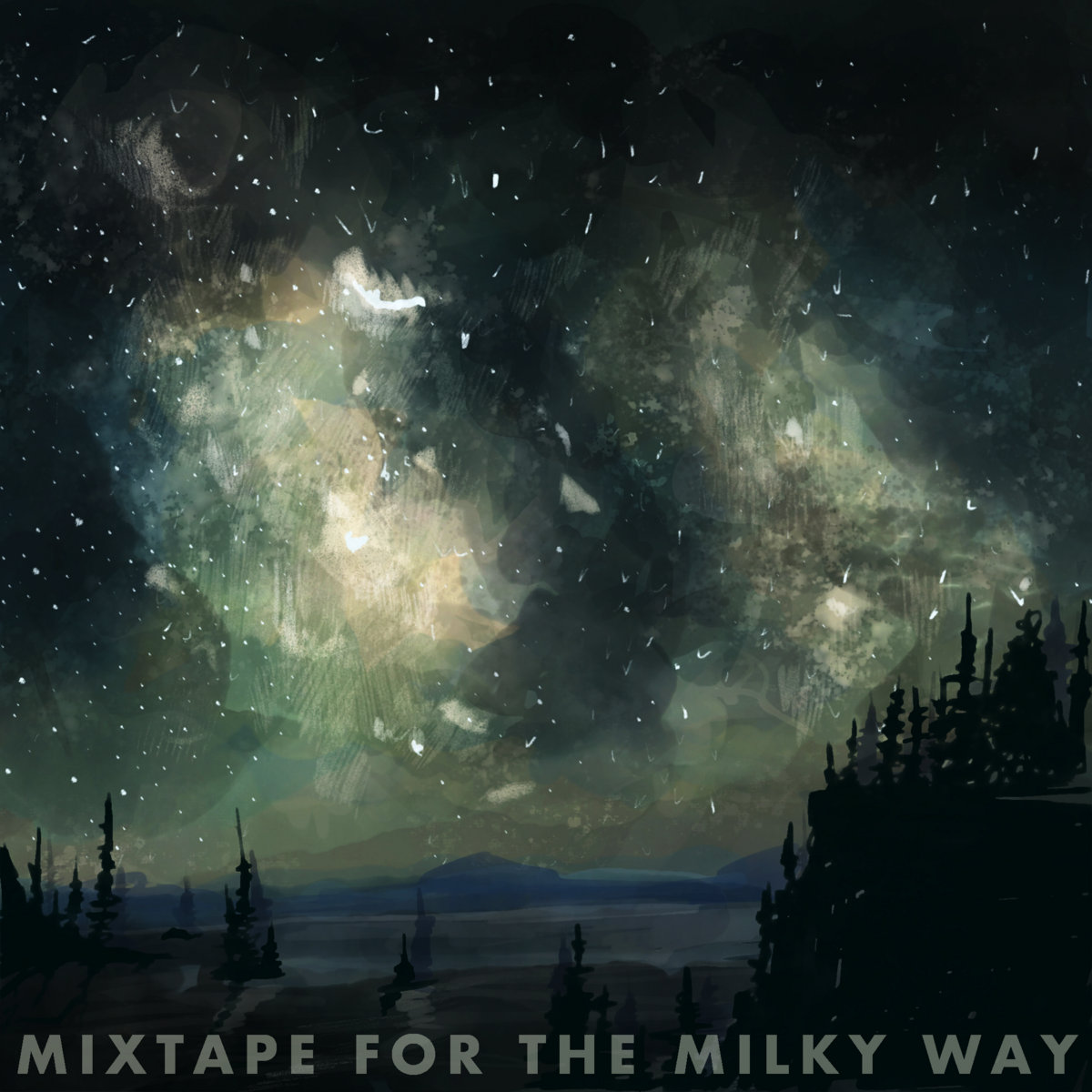
The Milky Way has long been a muse for musicians, inspiring albums, mixtapes, and individual tracks that blend cosmic imagery with emotional depth. Albums like Mixtape for the Milky Way often explore themes of vastness, mystery, and introspection, using the galaxy as a metaphor for human experiences. These musical works may feature ambient soundscapes, ethereal vocals, or electronic beats designed to evoke the feeling of floating through space. Listeners can expect a mix of instrumental and lyrical compositions that transport them beyond Earth’s atmosphere, making the Milky Way feel both distant and intimately connected to their own lives.
In addition to full-length albums, singles and EPs frequently draw from astronomical motifs. Artists might incorporate sounds recorded from space, such as radio waves from pulsars or the hum of interstellar dust, to create an otherworldly listening experience. The cover art for these releases often reflects this theme, featuring swirling galaxies, star fields, or futuristic landscapes that hint at the music’s cosmic journey.
Podcasts and Audio Narratives: Storytelling Across the Cosmos
Podcasts offer a dynamic way to engage with the Milky Way through storytelling, interviews, and educational content. Shows like In The Beginning…: The Legend Of The Milky Way blend mythology, science, and personal anecdotes to create a narrative that spans cultures and centuries. These podcasts often feature experts in astronomy, historians, and storytellers who weave together the scientific discoveries about our galaxy with ancient legends and modern interpretations.
Listeners can expect episodes that cover a wide range of topics, from the formation of the Milky Way to the search for extraterrestrial life. Some podcasts take a more philosophical approach, exploring humanity’s place in the universe and the existential questions raised by our galaxy’s sheer scale. Others focus on practical aspects, such as how to observe the Milky Way with the naked eye or through telescopes, making the content accessible to both beginners and seasoned stargazers.
Interactive podcasts may include audience Q&A sessions, where listeners submit questions about black holes, dark matter, or the latest space missions. This format encourages a sense of community among space enthusiasts, fostering discussions that extend beyond the episode itself. Whether you’re looking for a casual listen or a deep dive into astrophysics, podcasts provide a flexible and engaging way to connect with the Milky Way.

Visual Art and Literary Works Inspired by the Milky Way
The Milky Way’s beauty and mystery have inspired countless visual artists, from painters to digital creators. Artworks often depict the galaxy as a swirling, luminous river of stars, sometimes blending realism with surrealism. Digital artists may use fractal algorithms to generate intricate galaxy patterns, while traditional painters capture the Milky Way’s glow in landscapes or abstract compositions. These works can serve as both decorative pieces and thought-provoking reflections on the universe’s vastness.
Literary works, including poetry, short stories, and novels, also draw from the Milky Way’s symbolism. Writers might use the galaxy as a backdrop for tales of adventure, romance, or existential exploration. For example, a science fiction novel could feature a journey through the Milky Way, encountering alien civilizations or uncovering ancient cosmic secrets. Poetry often personifies the galaxy, giving it a voice or emotional resonance that mirrors human experiences. These literary creations invite readers to ponder their place in the cosmos while enjoying compelling narratives.
For those interested in visual references, documentaries and illustrated books provide a wealth of material. High-resolution images from telescopes like the Hubble Space Telescope reveal the Milky Way’s intricate structures, from star clusters to nebulae. These images can be used as references for artists or simply appreciated for their breathtaking beauty. Illustrated guides to astronomy often include diagrams of the galaxy’s spiral arms, helping readers visualize its structure and scale.

Educational Resources and Interactive Experiences
For those eager to learn more about the Milky Way, a variety of educational resources are available. Online courses, lectures, and documentaries break down complex astronomical concepts into digestible segments. Topics might include the life cycle of stars, the role of dark matter in galaxy formation, or the history of Milky Way observations. Many of these resources are designed for all skill levels, ensuring that beginners can grasp the basics while advanced learners delve into specialized subjects.
Interactive experiences take learning a step further by allowing users to explore the Milky Way in a hands-on way. Planetarium software, virtual reality (VR) simulations, and augmented reality (AR) apps let users “fly” through the galaxy, visiting different star systems and observing celestial phenomena up close. These tools often include educational overlays, such as labels for constellations or explanations of cosmic events, making them valuable for both formal education and self-directed learning.
Citizen science projects also provide opportunities to contribute to real astronomical research. Platforms like Zooniverse invite users to classify galaxies, identify exoplanets, or analyze data from space telescopes. By participating in these projects, enthusiasts can directly engage with the study of the Milky Way while collaborating with scientists worldwide. These experiences foster a sense of connection to the broader scientific community and deepen one’s appreciation for the galaxy’s complexities.
Conclusion
The Milky Way & The Minstrel encompass a rich tapestry of content that spans music, podcasts, visual art, literature, and educational resources. Whether you’re drawn to the emotional resonance of a cosmic-themed album, the storytelling power of a podcast, or the visual splendor of a galaxy-inspired painting, there’s something for everyone in this expansive universe. By exploring these diverse materials, you’ll not only gain a deeper understanding of the Milky Way but also connect with the creative and intellectual traditions that have been inspired by it for centuries. As you embark on this journey, remember that the Milky Way is more than just a collection of stars—it’s a canvas for human imagination, a subject of scientific wonder, and a symbol of our endless curiosity about the cosmos.
FAQ
What inspired the content around the Milky Way?
The Milky Way has inspired a variety of creative expressions, including music, podcasts, visual art, and literature, reflecting its beauty and mystery.
How can I explore the Milky Way through educational resources?
There are numerous online courses, documentaries, and interactive experiences available that cover various topics related to the Milky Way.
What types of music are inspired by the Milky Way?
Musicians often create albums and tracks that incorporate cosmic imagery and themes, utilizing ambient sounds and ethereal vocals.
Leave a Reply