Short Answer
In this guide, you’ll explore the profound concept of The World Relationship – Wholeness Together, a philosophy that reimagines human connection through the lens of unity, collaboration, and shared purpose. You’ll discover how wholeness isn’t just an individual pursuit but a collective journey—one that bridges divides, heals fragmentation, and fosters a deeper sense of belonging in a world often torn apart by division. Through metaphors, real-world examples, and actionable insights, you’ll learn how to embody this idea in your own life and communities. By the end, you’ll see how wholeness isn’t a distant ideal but a tangible reality we can co-create.
The Tapestry of Wholeness: A Metaphor for Human Connection
Imagine the world as an intricate tapestry, where each thread represents an individual, a community, or a culture. Alone, a thread is fragile, easily frayed by conflict or isolation. But when woven together, the tapestry becomes stronger, more vibrant, and resilient. This is the essence of Wholeness Together—a metaphor that transcends mere cooperation to embrace a deeper, almost sacred interdependence.
The tapestry metaphor highlights a critical truth: wholeness isn’t achieved by blending into uniformity but by celebrating the unique patterns each thread brings. Just as a tapestry’s beauty lies in its diversity of colors and textures, so too does a thriving world relationship depend on the harmonious interplay of differences. This idea challenges the modern obsession with individualism, replacing it with a vision of interbeing—a term coined by eco-philosopher Joanna Macy to describe the interconnectedness of all life.
Consider the image of a Wholeness banner, where fragments of nature, human figures, and abstract shapes merge into a cohesive whole. This visual representation isn’t just art; it’s a call to action. It asks us to see ourselves not as isolated islands but as part of a vast, living network where every action ripples outward, affecting the whole. The banner’s fragmented yet unified design mirrors the world’s current state—broken yet capable of healing when we choose to weave our threads together.

This metaphor isn’t just poetic; it’s practical. In a world where polarization and fragmentation dominate headlines, the tapestry of wholeness offers a roadmap for reconciliation. It invites us to ask: What if our differences aren’t obstacles but the very ingredients that make the tapestry stronger? The answer lies in shifting from competition to collaboration, from division to dialogue, and from isolation to interbeing.
The Fractured World and the Call for Reconnection
Our modern world is a paradox. On one hand, technology has connected us across continents in seconds. On the other, loneliness, mental health crises, and social fragmentation are at all-time highs. We’re more “connected” than ever, yet we feel profoundly alone. This contradiction underscores the urgent need for Wholeness Together—a movement that recognizes fragmentation as the root of many global crises, from climate change to social inequality.
Take, for example, the image of a puzzle with missing pieces, a common symbol for wholeness. Each missing piece represents a voice silenced, a perspective ignored, or a community marginalized. When we fail to include these voices, the puzzle—and by extension, the world—remains incomplete. Wholeness Together is the act of seeking out those missing pieces, not to force them into place but to reimagine the puzzle itself as a dynamic, ever-evolving work of art.
The DDP initiative’s logo, with its abstract, interconnected shapes, embodies this idea. It suggests that wholeness isn’t a static endpoint but a continuous process of coming together, breaking apart, and reforming. This is especially relevant in today’s fractured political and social landscapes, where polarization often feels insurmountable. Wholeness Together doesn’t deny these fractures; it acknowledges them as part of the journey toward deeper unity.
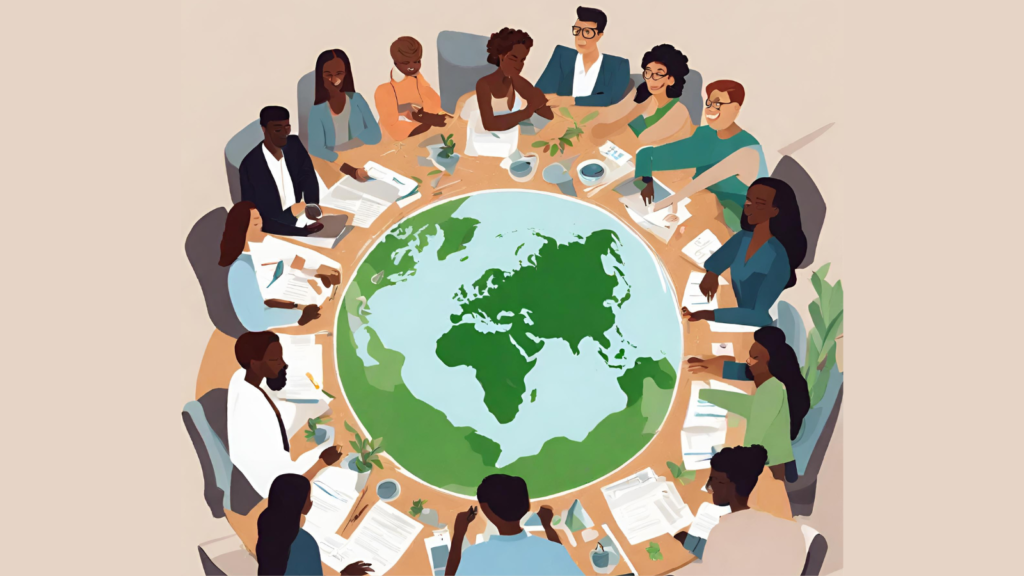
The call for reconnection is also a call to confront systemic injustices. Wholeness Together isn’t just about personal growth; it’s about dismantling structures that perpetuate division. This could mean advocating for policies that bridge economic gaps, fostering inclusive dialogue in communities, or simply listening to those whose stories have been erased. The metaphor of the tapestry reminds us that every thread, no matter how small, holds the potential to transform the whole.
The Language of Wholeness: Words That Heal and Unite
Language is the bridge between fragmentation and wholeness. The words we choose can either deepen divides or foster connection. In the context of Wholeness Together, language becomes a tool for healing—one that emphasizes shared humanity over tribalism, collaboration over competition, and presence over distraction.
Consider the phrase “working together as a world”, which captures the essence of this philosophy. It’s not about grand gestures but about the daily choices to see ourselves as part of something larger. This language shifts the focus from “me” to “we,” from scarcity to abundance, and from fear to trust. It’s a linguistic revolution that starts with small, intentional shifts in how we speak to ourselves and others.
Metaphors play a crucial role in this linguistic shift. For instance, describing relationships as “gardens” rather than “machines” invites patience, care, and organic growth. Gardens require nurturing, time, and attention—qualities often missing in our fast-paced, transactional world. Similarly, calling communities “ecosystems” emphasizes interdependence and resilience, much like a forest where every species, no matter how small, contributes to the health of the whole.
The power of language extends to how we frame challenges. Instead of seeing conflict as a battle to be won, Wholeness Together encourages us to view it as a “dance”—a dynamic interplay of opposing forces that, when navigated with intention, can lead to harmony. This reframing doesn’t erase conflict but transforms it into an opportunity for deeper understanding and growth.
Even the term “wholeness” itself is a linguistic act of resistance against the fragmentation that plagues modern life. It’s a declaration that we are not broken but becoming—a process that requires both individual and collective effort. By adopting this language, we not only describe the world differently but actively participate in reshaping it.
Practical Steps: Weaving Wholeness into Daily Life
Understanding the philosophy of Wholeness Together is one thing; embodying it is another. The good news is that wholeness isn’t an all-or-nothing pursuit—it’s a series of small, intentional choices that accumulate over time. Here are practical steps to integrate this idea into your life and relationships:
1. Cultivate Deep Listening
Wholeness begins with presence. Practice deep listening—a form of listening that goes beyond hearing words to understanding the emotions, values, and experiences behind them. This means setting aside distractions, asking open-ended questions, and reflecting back what you’ve heard without judgment. Deep listening isn’t just a skill; it’s an act of love that acknowledges the wholeness of the other person.
2. Seek Out Diverse Perspectives
Fragmentation thrives in echo chambers. To counter this, actively seek out voices and experiences that differ from your own. This could mean reading books by authors from different cultures, engaging in conversations with people whose political views oppose yours, or volunteering in communities unlike your own. The goal isn’t to agree with everyone but to expand your understanding of what wholeness can look like.
3. Practice Gratitude as a Collective Act
Gratitude isn’t just a personal practice; it’s a communal one. Start or join a gratitude circle where people share what they’re thankful for, not just individually but in relation to others. For example, “I’m grateful for the farmers who grew the food I eat” or “I’m grateful for the teachers who shaped my understanding of the world.” This practice shifts focus from individual achievement to the web of relationships that sustain us.
4. Reframe Conflict as Collaboration
Conflict is inevitable, but how we engage with it determines whether it deepens fragmentation or fosters wholeness. Instead of seeing conflict as a zero-sum game, approach it as an opportunity to co-create solutions. Use language like “How can we work through this together?” rather than “You’re wrong.” This reframing doesn’t eliminate tension but channels it toward growth.
5. Create Rituals of Connection
Rituals—whether daily, weekly, or seasonal—anchor us in the present and remind us of our interconnectedness. This could be a morning meditation that acknowledges the earth’s gifts, a weekly family dinner where everyone shares a highlight and a challenge, or a yearly gathering to reflect on shared goals. Rituals don’t have to be grand; they just need to be intentional and repeated.
Conclusion
The world is a tapestry of threads—some vibrant, some frayed, some barely visible. Wholeness Together is the art of weaving these threads into a pattern that honors both the individual and the collective. It’s a philosophy that doesn’t shy away from fragmentation but meets it with curiosity, courage, and creativity. It’s a call to language that unites rather than divides, to actions that heal rather than harm, and to relationships that nourish rather than deplete.
This isn’t a utopian dream; it’s a lived reality for those who choose to see the world through the lens of wholeness. It starts with small steps: a conversation with someone who thinks differently, a moment of gratitude for the unseen hands that sustain us, or a pause to acknowledge the interconnected web of life. Wholeness Together isn’t about achieving perfection; it’s about embracing the messy, beautiful process of becoming whole—together.
As you move forward, remember the tapestry. Every thread you add, no matter how small, matters. Every connection you nurture, no matter how fleeting, ripples outward. The world isn’t waiting for a grand revolution; it’s waiting for you to pick up your thread and begin weaving.
FAQ
What is 'Wholeness Together'?
It's a philosophy that emphasizes the importance of unity and collaboration in human relationships.
How can we embody this idea in daily life?
By practicing deep listening, seeking diverse perspectives, and fostering gratitude as a communal act.
Leave a Reply