Short Answer
Welcome to your comprehensive guide on tarot card meanings. Whether you’re a curious beginner or looking to deepen your understanding, this article breaks down the essentials of tarot in an easy-to-follow format. You’ll discover the meanings behind each card type, how to interpret them in readings, and practical tips for using tarot in your daily life. By the end, you’ll have a solid foundation to explore tarot with confidence.
The Major Arcana: The Big Life Lessons
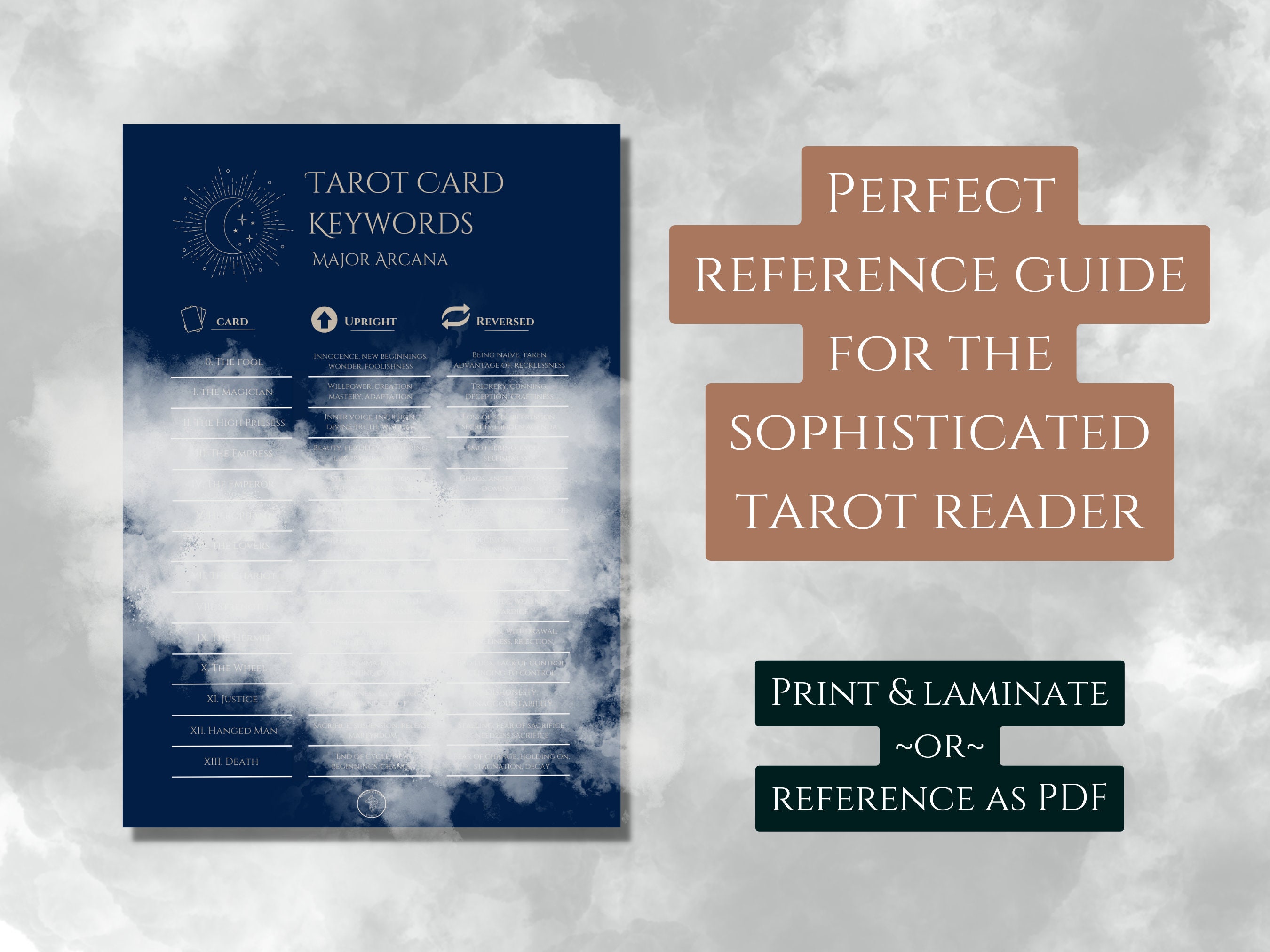
The Major Arcana consists of 22 cards, each representing significant life themes, spiritual lessons, and karmic influences. These cards often appear in readings to highlight major events or internal growth. For example, The Fool symbolizes new beginnings, spontaneity, and taking a leap of faith, while The Lovers represents relationships, choices, and harmony. Understanding the Major Arcana helps you recognize pivotal moments and the deeper messages your intuition is trying to convey.
Each card in the Major Arcana has a unique story. Death, contrary to common misconceptions, signifies transformation and endings that lead to new opportunities rather than literal death. Similarly, The Tower represents sudden change and upheaval, urging you to embrace necessary shifts. By familiarizing yourself with these cards, you’ll start to see patterns in your life and the universe’s guidance.
The Minor Arcana: Everyday Experiences and Challenges
The Minor Arcana is divided into four suits—Cups, Pentacles, Swords, and Wands—each reflecting different aspects of daily life. Unlike the Major Arcana, these cards focus on more immediate situations, emotions, and practical matters. Cups relate to emotions, relationships, and intuition, while Pentacles deal with finances, work, and material stability. Swords represent intellect, conflict, and communication, and Wands symbolize creativity, passion, and personal growth.
Each suit contains ten numbered cards (Ace through 10) and four court cards (Page, Knight, Queen, King). For instance, the Three of Cups often indicates celebration and friendship, while the Five of Pentacles suggests financial hardship or feeling left out. Court cards can represent people in your life or personality traits you’re embodying. Mastering the Minor Arcana allows you to gain clarity on specific situations and make informed decisions.
Interpreting Court Cards: Personalities and Influences
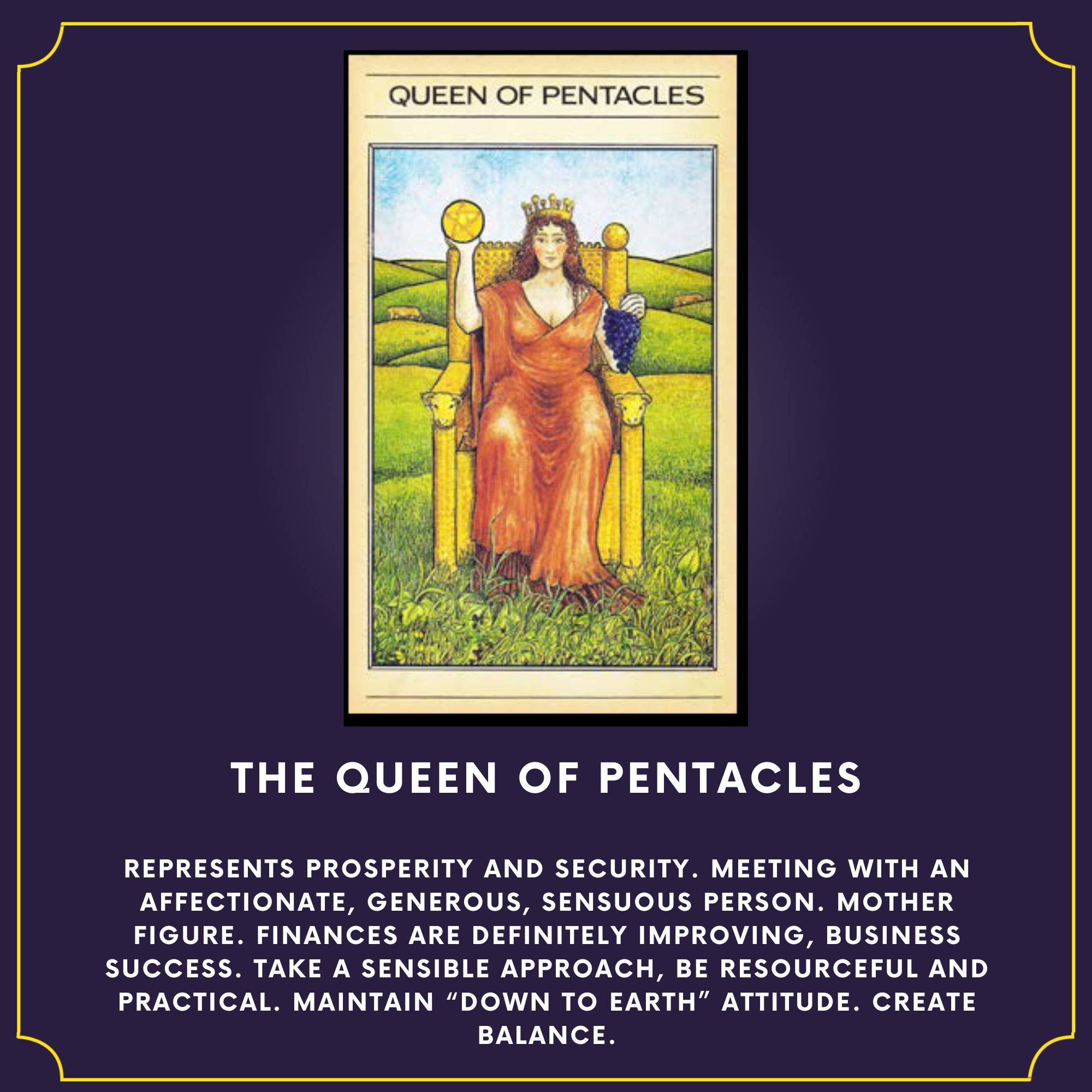
Court cards add depth to tarot readings by representing individuals, energies, or aspects of yourself. The Page cards often signify messages, learning, or youthful energy, while the Knight cards suggest action, movement, and sometimes impulsiveness. The Queen cards embody nurturing, intuition, and emotional intelligence, whereas the King cards represent authority, mastery, and leadership.
For example, the Queen of Swords might indicate a sharp-witted, independent woman in your life or a need to approach a situation with logic and clarity. The Knight of Wands could symbolize a passionate, adventurous person or a call to pursue your dreams with enthusiasm. Understanding court cards helps you identify the roles people play in your life and how their energies influence your journey.
Reversed Tarot Cards: Blocked Energy and Inner Work
Reversed tarot cards appear upside down and often indicate blocked energy, internal struggles, or the need for introspection. While some readers avoid reversals, they can provide valuable insights into areas requiring attention. For example, the reversed The Chariot might suggest a lack of direction or control, while the reversed Three of Cups could point to unresolved conflicts in relationships.
Reversals aren’t necessarily negative; they highlight opportunities for growth. The reversed Six of Pentacles might reveal an imbalance in giving and receiving, prompting you to reassess your generosity or boundaries. Learning to interpret reversals adds nuance to your readings and encourages a deeper connection with your intuition.
How to Use Tarot Cards in Daily Life
Tarot isn’t just for divination; it’s a powerful tool for self-reflection and decision-making. Start by pulling a single card each morning to set an intention or gain insight into your day. For example, drawing The Star might remind you to stay hopeful and trust the universe, while Eight of Wands could signal a period of fast-paced progress.
Journaling your readings helps track patterns and track your personal growth. Ask yourself questions like, “What is this card telling me about my current situation?” or “How can I apply this message to my life?” Over time, you’ll develop a stronger intuitive connection and a deeper understanding of the cards’ messages.
Common Tarot Spreads for Beginners
Tarot spreads are layouts that determine how cards are positioned in a reading. The simplest is the Single-Card Spread, ideal for quick insights or daily guidance. The Three-Card Spread (Past, Present, Future) offers a snapshot of a situation’s timeline, while the Celtic Cross provides a more detailed analysis of challenges and potential outcomes.
Experiment with different spreads to see what resonates with you. A Relationship Spread can clarify dynamics between you and another person, while a Career Spread might help you explore job opportunities or professional growth. The key is to choose a spread that aligns with your question and intuition.
Ethical Considerations in Tarot Readings
Tarot should empower, not frighten. Avoid using it to predict doom or control others’ free will. Instead, approach readings with an open mind and a focus on personal growth. If a card feels overwhelming, take a step back and reflect on its message rather than fixating on fear.
Respect the privacy of others if you’re reading for someone else. Tarot is a tool for guidance, not a substitute for professional advice. Use it as a complement to your intuition and life experiences, and always trust your own judgment.
Conclusion
Tarot cards are more than just symbols—they’re gateways to self-discovery, clarity, and empowerment. By understanding the Major and Minor Arcana, interpreting court cards, and exploring reversals, you’ll unlock deeper insights into your life’s journey. Whether you use tarot for daily reflection or in-depth readings, remember that its true power lies in its ability to guide you toward greater self-awareness and intuition.
Start your tarot practice with curiosity and an open heart. The more you engage with the cards, the more they’ll reveal about your path. Happy reading!
FAQ
What are the Major Arcana cards?
The Major Arcana consists of 22 cards that represent significant life themes and spiritual lessons, such as The Fool and The Lovers.
How do I interpret reversed tarot cards?
Reversed tarot cards often indicate blocked energy or internal struggles, providing insights into areas requiring attention.
What is the purpose of tarot spreads?
Tarot spreads determine how cards are positioned in a reading, helping to clarify different aspects of a question or situation.
Leave a Reply