Short Answer
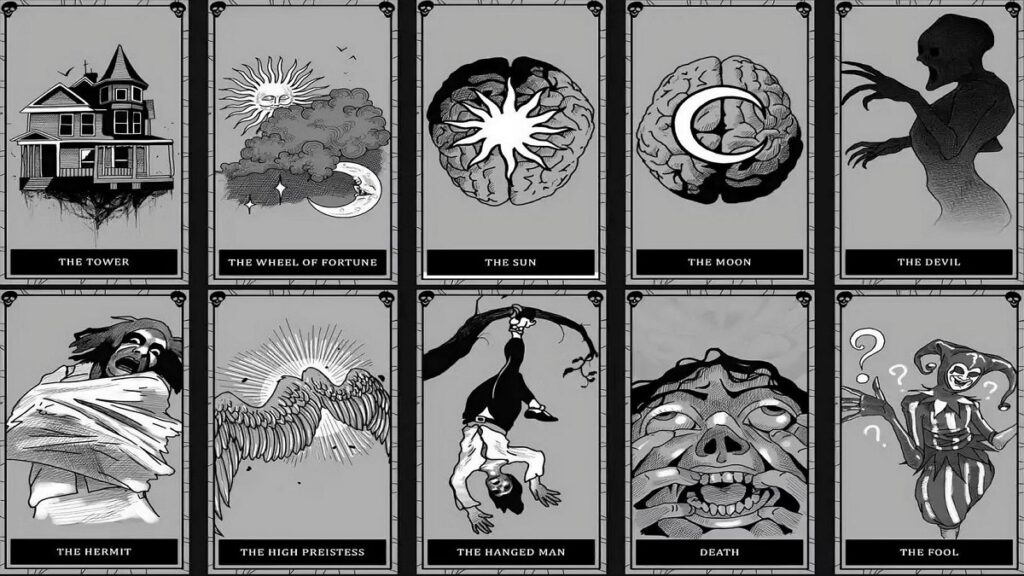
In the realm of psychological horror and supernatural exploration, Phasmophobia introduces a captivating twist on the traditional use of tarot cards. These cards, imbued with a spectral significance, offer players a unique blend of fortune and peril. When viewed through a Christian lens, the interpretations of each tarot card reveal fascinating layers of meaning, echoing ancient wisdom while intertwining themes of morality, fate, and divine providence.
At the core of tarot’s allure lies its ability to act as a mirror reflecting the user’s innermost fears and hopes. Within the context of Phasmophobia, each card becomes a powerful artifact—capable of offering glimpses into the unseen world while also serving as a reminder of the spiritual battle that accompanies such pursuits. Let’s delve into the meanings associated with each tarot card present in the game, contemplating how they resonate with Christian beliefs and narratives.
The Fool
The Fool represents the beginning of a journey, embodying innocence and potential. In the Christian narrative, it resonates with the concept of faith—the willingness to step into the unknown guided by divine assurance. This card in Phasmophobia might foreshadow a new mission, urging players to embrace adventure with a heart open to the workings of Providence. The folly of ignoring divine warnings, however, may yield dire consequences. This dualism of hope and caution underscores the importance of wisdom in the face of spiritual journeys.
The Magician
Symbolizing willpower and manifestation, The Magician is a reminder that players possess the tools necessary to navigate their environments. In a Christian context, this card can be seen as a metaphor for the gifts bestowed by the Holy Spirit. Just as The Magician conjures elements to achieve his goals, believers are called to channel their talents into service for the Kingdom of God. In Phasmophobia, using this card effectively can elevate the group’s ability to uncover the truths lurking in the shadows, reinforcing the idea that divine gifts empower the faithful in their quests.
The High Priestess
With an essence of intuition and inner wisdom, The High Priestess invites reflection upon the deeper mysteries of existence. In Christian theology, she can be likened to the Virgin Mary—an embodiment of receptivity and understanding. This card encourages players to trust their instincts, emphasizing the value of spiritual discernment. It serves as a reminder that the unseen world is governed by divine laws, and often, insights can emerge from quiet contemplation rather than overt action.
The Empress
The nurturing nature of The Empress speaks of fertility and care, reflecting the pastoral imagery prevalent in Christian teachings. She is the embodiment of creation and life. In-game, drawing this card can signal an abundance of spirit, whether that manifests in increased health or beneficial resources. It speaks to God’s provision for His creation and the importance of stewardship, urging players to maintain reverence for the environment and the spirits that inhabit it.
The Emperor
Contrasting the softer energies of The Empress, The Emperor embodies authority and stability. He is the protector, much like God’s guidance provided in Scripture. This card suggests the importance of structure and leadership within a team setting, drawing parallels to Christ as the Shepherd leading His flock. In the chaos of a haunting, taking charge with clear direction and decisiveness mirrors the biblical call for righteous governance, both in earthly kingdoms and spiritual realms.
The Hierophant
A card steeped in tradition, The Hierophant speaks to the importance of spiritual authority and the pursuit of knowledge. In Christian teachings, this reflects the role of the Church as a guiding light, akin to the biblical figures who impart wisdom. Within the game, invoking The Hierophant can symbolize embracing the insights gained from shared history and communal experiences, urging players to lean on their foundations of faith and community support as they venture into uncertainty.
The Lovers
This card epitomizes partnerships and decisions shaped by love. In the context of Phasmophobia, it symbolizes the need for collaboration and mutual support amidst frightening encounters. From a Christian perspective, it resonates with the concept of unity amongst believers, reflecting the ideal of Christian love that calls for selfless acts and shared burdens. In the game, synergizing efforts can lead to greater victories, illustrating that faith often flourishes within community.
The Chariot
The Chariot evokes themes of determination and triumph over adversity. Reflecting the Christian journey, which often requires overcoming obstacles through faith, this card encourages players to harness their resolve. It symbolizes the strength found in steadfastness, pointing to the scriptural truth that persistence, even in the face of fear, can lead to divine victories. Drawing this card may signify assurance of success if players stay focused and disciplined on their missions.
Strength
The epitome of courage and inner strength, this card reminds players that might does not always lie in brute force. From a Christian perspective, true strength emanates from humility and love, as exemplified by Christ. In the struggles portrayed in Phasmophobia, invoking this card can signify the necessity of facing fears not with aggression but with compassion and faithfulness, encouraging players to approach each encounter with a balanced heart.
The Hermit
This card symbolizes introspection and solitude, akin to the Christian practice of retreating for reflection and prayer. The Hermit encourages players to seek wisdom from within, emphasizing the importance of connecting with one’s inner self and, by extension, with God. In the eerie silence of haunted encounters, this call for reflection can guide players to find clarity and purpose, fostering a deeper understanding of their role within the haunted realm.
Wheel of Fortune
Portraying the cyclical nature of life, fate, and divine timing, the Wheel of Fortune signifies change and the unpredictability of fortune. It aligns with Christian notions of providence—emphasizing that while humans may desire control, it is ultimately God who dictates the course of events. Encountering this card in-game may prompt players to brace for shifts in the environment, resonating with the understanding that in both life and gameplay, circumstances are often beyond one’s control.
Justice
Justice serves as a reminder of accountability and righteousness. In Christianity, it underscores the belief that God holds humanity accountable for their actions. Within the game, invoking this card may suggest a need for ethical choices and the recognition of consequences, embodying the principle that every decision holds weight. This card encourages players to tread wisely, pursuing what is right even amidst frightful circumstances.
The Hanged Man
Suspended between worlds, The Hanged Man invites contemplation and perspective shifts. Drawing this card can represent a need for surrender and a willingness to see beyond the immediate fears. In Christian teachings, it reflects the essence of self-denial and awaiting divine revelation. That patience, much like waiting on the Lord, can reveal profound insights, urging players to embrace periods of stillness amidst chaos.
Death
Often misinterpreted, the Death card signifies transformation and the conclusion of cycles. In the Christian context, it symbolizes the promise of resurrection and renewal. In the game, players drawing this card may encounter significant changes or threats, yet it urges acceptance of the inevitable passage of time and existence. This perspective invites players to reflect on deeper truths about mortality and rebirth, fundamental themes in Christian teachings.
Temperance
Representing balance and moderation, Temperance advocates for measured responses in tumultuous situations. Within Christian thought, it underscores the significance of self-control and patience, virtues that enable believers to navigate life’s trials effectively. As players confront unexpected horrors, this card serves as a reminder to cultivate equilibrium, promoting harmony in both gameplay and within oneself.
The Devil
Embodiment of temptation and materialism, The Devil warns against distractions that lead one astray. In Christianity, it represents the struggle against sin and spiritual warfare. Within the game, drawing this card may foreshadow dangerous encounters, signifying that players must remain vigilant and morally grounded. It serves as a stark reminder that darker forces lurk, seeking to ensnare the unwary.
The Tower
A harbinger of upheaval, The Tower signifies catastrophe and unexpected change. In Christian doctrine, it metaphorically reflects divine intervention that disrupts human arrogance, urging humility. For players, this card heightens tension, signifying dangerous encounters and unpredictable shifts in reality. The Tower encourages individuals to recognize that through trials can come transformation, prompting a reevaluation of priorities and reliance on divine grace.
The Star
A symbol of hope and aspiration, The Star brings forth messages of guidance and serenity. In Christianity, it evokes the notion of faith illuminating the path forward amidst darkness. This card invites players to trust in a greater purpose, fostering resilience in the game’s chaotic landscape. It underscores the belief that even in dire situations, light can be found through spiritual assurance.
The Moon
As a card that embodies illusion and intuition, The Moon presents a duality of confusion and insight. Within a Christian context, it reflects the need for discernment amid deception, urging believers to remain steadfast in faith despite uncertainties. In gameplay, drawing this card may foreshadow encounters with enigmatic entities, reinforcing the necessity for prayerful reflection when navigating the unseen forces at play.
The Sun
A card of joy, vitality, and enlightenment, The Sun embodies divine favor and clarity. In Christian belief, it is akin to experiencing the light of God shining upon one’s life. In Phasmophobia, the appearance of this card brings reassurance amidst darkness, signifying moments of triumph and revelation. It uplifts spirits, embodying the transformative power of positivity and faith in overcoming adversity.
Judgment
Judgment symbolizes rebirth and reckoning—the moment of evaluation. In Christian eschatology, it echoes the hope of accountability and the promise of eternal life. This card invites players to reflect upon their actions, both in games and life, encouraging a return to righteous paths. Drawing Judgment in-game evokes a chance for renewal and redemption after softening the impact of dark encounters.
The World
Completing the cycle, The World encapsulates fulfillment and completion. It parallels the concept of divine purpose and ultimate reunion with God. In gameplay, it signifies the successful conclusion of a mission, representing the realization of objectives and growth through experiences. As players reach this pinnacle, it encourages each to reflect on their journey—acknowledging both the struggles and triumphs.
Ultimately, the tarot cards in Phasmophobia serve not only as instruments of fortune-telling within a haunting setting but also as profound symbols steeped in spiritual significance. Viewing them through a Christian framework deepens their meanings, aligning their intentions with the principles of faith, morality, and divine guidance. As players navigate the spectral horrors, these cards anchor the human experience within a broader spiritual narrative, inviting them to ponder their path and purpose within the mystical unknown.
FAQ
What are the meanings of tarot cards in Phasmophobia?
In Phasmophobia, tarot cards symbolize various themes such as fate, morality, and spiritual insight, each tied to Christian interpretations.
How many tarot cards are featured in Phasmophobia?
Phasmophobia features several tarot cards, each with unique meanings that influence gameplay and player strategy.
Leave a Reply