Short Answer
In this guide, you’ll discover everything you need to know about the Death Tarot card in Phasmophobia. Whether you’re a beginner or a seasoned ghost hunter, understanding this card’s mechanics, effects, and strategies can significantly improve your gameplay. You’ll learn how to identify the Death card, its unique role as a wipe card, and how to use it effectively during investigations. We’ll also cover common misconceptions, advanced tips, and how it interacts with other game mechanics. By the end, you’ll be fully equipped to leverage the Death card to your advantage.
What Is the Death Tarot Card in Phasmophobia?
The Death Tarot card in Phasmophobia is one of the most powerful and feared cards in the game. Unlike traditional Tarot interpretations, this card does not symbolize literal death but rather represents a wipe mechanic. When drawn, it triggers a wipe of all ghost evidence, effectively resetting the investigation. This means any collected fingerprints, EMF readings, or ghost orbs will disappear, forcing the team to start fresh.
This card is particularly impactful because it can disrupt carefully planned strategies. However, it also provides an opportunity to reassess the ghost’s behavior and gather new evidence without prior bias. Understanding when and how this card appears is crucial for adapting your approach mid-investigation.
How to Identify the Death Tarot Card
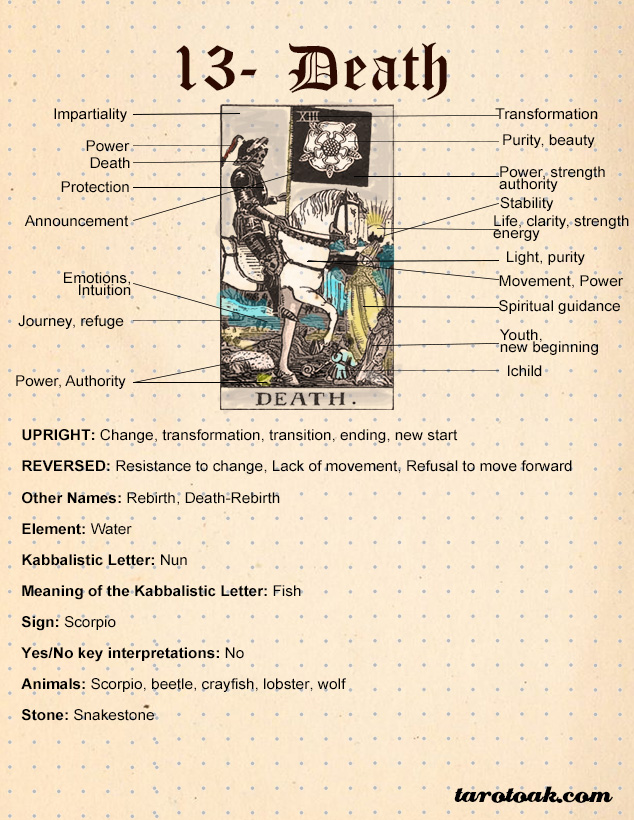
In Phasmophobia, the Death Tarot card is visually distinct. It features a skeletal figure riding a horse, often in a dark or desaturated color palette. The card’s name, “Death,” is prominently displayed, making it easy to recognize when it appears on your Tarot deck screen. Unlike other cards, it does not have a secondary effect—its sole purpose is to wipe all existing evidence.
Players can identify the Death card by its iconography and the text displayed when it is drawn. The card’s appearance is consistent across all ghost types and maps, ensuring that its effect is universally understood. Recognizing it quickly allows you to mentally prepare for the evidence reset and adjust your strategy accordingly.
The Role of the Death Card as a Wipe Mechanic
The Death card’s primary function is to act as a wipe mechanic, clearing all previously collected ghost evidence. This includes fingerprints, EMF readings, orbs, and even ghost writing. The wipe occurs immediately upon drawing the card, leaving you with no prior data to rely on. This mechanic is designed to challenge players to think on their feet and adapt to new information.
Unlike other Tarot cards that provide hints or warnings, the Death card forces a complete reset. This can be frustrating, especially if you were close to identifying the ghost, but it also levels the playing field. It prevents players from relying too heavily on early evidence and encourages a more dynamic approach to ghost hunting.
When Does the Death Tarot Card Appear?
The Death Tarot card can appear at any point during an investigation, but its timing can significantly impact your strategy. It is drawn randomly from the Tarot deck, so there’s no guaranteed moment when it will appear. However, some players report that it is more likely to appear during later stages of the investigation, particularly after multiple evidence types have been collected.
This unpredictability is part of what makes the Death card so challenging. You must always be prepared for the possibility of a wipe, even if you’ve already gathered substantial evidence. Keeping a mental note of the cards you’ve already drawn can help you anticipate when the Death card might appear next.
How to Use the Death Card to Your Advantage
While the Death card is often seen as a setback, it can also be used strategically. Here are a few ways to turn this mechanic into an advantage:
- Reset and Reassess: If you’ve gathered conflicting evidence, the Death card can provide a clean slate. Use this opportunity to re-examine the ghost’s behavior without prior assumptions.
- Test New Theories: After a wipe, try new evidence-gathering techniques. For example, if you were relying heavily on EMF readings, switch to fingerprints or orbs to see if the ghost leaves different traces.
- Conserve Resources: If you’re running low on sanity or sanity-boosting items, the Death card can reset the ghost’s activity, giving you time to recover.
- Psychological Warfare: In multiplayer games, the Death card can be used to disrupt opponents’ strategies, forcing them to start over and potentially making mistakes.
Common Misconceptions About the Death Tarot Card
There are several misconceptions about the Death card that can lead to poor decision-making. One of the most common is the belief that the Death card always signals a ghost event, such as a hunt or a jump scare. In reality, the Death card’s only effect is to wipe evidence—it does not trigger any ghost actions on its own.
Another misconception is that the Death card is more likely to appear if you’ve already collected a lot of evidence. While it’s true that the card can appear at any time, its appearance is not directly tied to the number of evidence types you’ve gathered. It is purely random, so you should always be prepared for a wipe.
Advanced Tips for Handling the Death Card
For experienced players, there are advanced strategies to mitigate the impact of the Death card. One approach is to prioritize high-value evidence first. For example, if you’ve identified that the ghost leaves fingerprints, focus on collecting those early before the Death card appears. This way, you’ll still have some evidence to work with even after a wipe.
Another tip is to use the Death card as a timing mechanism. If you suspect the ghost is about to enter a hunt phase, drawing the Death card can reset the timer, giving you extra time to prepare. This is particularly useful in high-difficulty settings where hunts are frequent and unpredictable.
How the Death Card Interacts with Other Game Mechanics
The Death card’s interaction with other game mechanics is an important consideration. For example, if you’ve used a Crucifix to prevent a hunt, the Death card will not affect the crucifix’s cooldown timer. Similarly, the card’s wipe effect does not reset sanity levels or item usage, so you’ll still need to manage those resources carefully.
Additionally, the Death card does not affect ghost events like the Phantom’s fear effect or the Banshee’s scream. These events are tied to the ghost’s behavior and will continue as normal, even after a wipe. Understanding these interactions can help you avoid unnecessary panic when the Death card appears.
Conclusion
The Death Tarot card in Phasmophobia is a double-edged sword. While it can disrupt your investigation by wiping all evidence, it also presents an opportunity to adapt and refine your strategy. By understanding its mechanics, recognizing its appearance, and using it to your advantage, you can turn this challenging card into a tool for success. Whether you’re playing solo or with a team, mastering the Death card will make you a more versatile and resilient ghost hunter.
FAQ
What does the Death Tarot card do in Phasmophobia?
It wipes all collected ghost evidence such as fingerprints, EMF readings, and ghost orbs, forcing players to restart their investigation.
Does the Death Tarot card trigger ghost hunts or scares?
No, the Death card only resets evidence and does not directly trigger ghost events.
When can the Death Tarot card appear during gameplay?
It can appear randomly at any point during an investigation, though some players report it is more likely in later stages.
Can the Death Tarot card affect item cooldowns or sanity levels?
No, it does not reset item cooldowns or sanity levels, only the gathered ghost evidence.
Leave a Reply