Short Answer
In this guide, you’ll explore the deeper meanings behind the Devil tarot card when it appears in love readings. You’ll learn how to recognize toxic attraction patterns, understand the psychological and spiritual reasons behind fascination with unhealthy dynamics, and discover actionable steps to break free from cycles of suffering. Whether you’re currently in a complicated relationship or seeking clarity about past experiences, this article will help you decode the Devil’s message with wisdom and empowerment.
The Devil Tarot Card: A Symbol of Bondage and Obsession
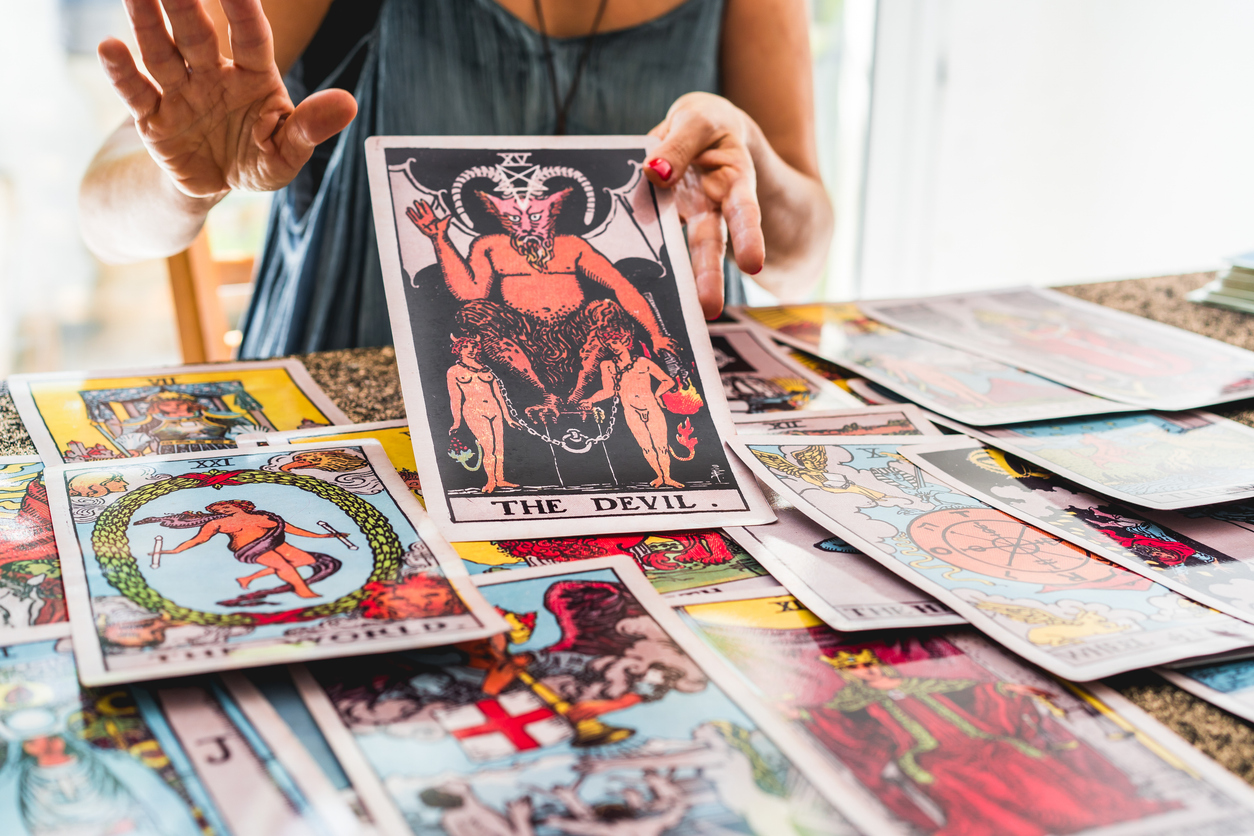
The Devil tarot card, numbered XV in the Major Arcana, is often one of the most feared cards in a reading. It depicts a horned figure with clawed feet, seated on a pedestal, surrounded by two chained figures at its feet. These chains are loose but remain unbroken, symbolizing the illusion of freedom while being trapped in unhealthy patterns. In love readings, the Devil rarely represents a healthy relationship. Instead, it points to toxic attraction, codependency, or relationships built on control, obsession, or mutual destruction.
This card doesn’t just warn about external toxicity—it also reflects internal struggles. It may reveal deep-seated fears of abandonment, low self-worth, or a tendency to romanticize suffering. The chains in the image aren’t just physical; they represent emotional and psychological bonds that keep you tethered to pain, even when you know the relationship is harmful. Recognizing this card in a love reading is the first step toward reclaiming your power and breaking free from cycles of toxic attraction.
Toxic Attraction: Why We Stay When We Know We Shouldn’t
A common observation when the Devil appears in love readings is the paradox of staying in a relationship that feels draining, unfulfilling, or even abusive. Many people wonder: “Why do I keep going back to someone who hurts me?” The answer often lies in the complex web of emotions and beliefs the Devil card exposes. Toxic attraction isn’t just about love—it’s about addiction. The highs of passion, the thrill of conquest, or the fear of being alone can create a biochemical and emotional dependency similar to substance addiction.
This card highlights how unhealthy relationships can feel intoxicating. The initial rush of chemistry, the intensity of emotions, or the belief that “this time it will be different” can blind you to red flags. The Devil thrives in secrecy and shame, making it hard to see the truth until you’re deeply entangled. It’s not uncommon for people to rationalize toxic behavior—“They’re just passionate,” “It’s not that bad,” or “I can change them”—all of which are illusions created by the Devil’s grip.
Moreover, the Devil often appears when there’s a power imbalance. One partner may dominate, manipulate, or control the other, while the submissive partner feels unable to leave due to fear, guilt, or financial dependence. This dynamic can feel like a twisted form of love, but it’s really a form of bondage. The chains in the card aren’t just symbolic—they represent real emotional and psychological constraints that keep you from walking away.
Deeper Reasons for Fascination with the Devil in Love
Beyond the surface-level toxicity, the Devil card in love readings often points to deeper psychological and spiritual reasons for your fascination with unhealthy dynamics. One key insight is the concept of shadow work. The Devil represents the shadow self—the parts of us we deny, suppress, or project onto others. In love, this can manifest as a fascination with partners who embody traits we’re afraid to acknowledge in ourselves: aggression, neediness, or even cruelty. By being drawn to such individuals, we unconsciously confront these disowned aspects of our psyche.
Another reason for this fascination is the search for intensity. In a world that often feels mundane or emotionally flat, toxic relationships can feel alive. The chaos, drama, and unpredictability create a false sense of aliveness. The Devil thrives in this energy, making it addictive. However, this intensity is unsustainable and ultimately destructive. It’s a reminder that real love isn’t about fireworks and chaos—it’s about stability, mutual respect, and emotional safety.
Spiritually, the Devil can also represent the ego’s attachment to suffering. When we believe that love must be hard, that we must earn it, or that we’re unworthy of healthy relationships, we unconsciously draw in experiences that reinforce these beliefs. The Devil card challenges you to question these narratives. Are you staying because you love the person, or because you love the idea of being in love—even if it’s painful? This card invites you to examine your core beliefs about love, worthiness, and happiness.
Recognizing the Signs: Is Your Relationship a Devil Trap?
How do you know if your relationship is being influenced by the Devil card? Look for these common signs:
- Control and Manipulation: Does your partner dictate who you see, what you wear, or how you spend your time? Do they use guilt, threats, or gaslighting to keep you in line?
- Addiction to Drama: Is your relationship a constant cycle of breakups and makeups, filled with extreme highs and lows? Do you feel alive only when there’s conflict?
- Loss of Self: Have you stopped pursuing your passions, friendships, or personal goals because your partner disapproves or demands all your attention?
- Fear of Being Alone: Do you stay because you’re terrified of being single, even if the relationship is toxic?
- Justifying Abuse: Do you make excuses for your partner’s behavior—“They didn’t mean it,” “They had a bad childhood,” or “I deserve this”?
If any of these resonate, the Devil card is likely at play. It’s not about blaming yourself or your partner—it’s about recognizing the pattern and taking steps to break free. Remember, the chains in the card are loose. You have the power to remove them, even if it doesn’t feel that way right now.

Breaking Free: Steps to Reclaim Your Power
Recognizing the Devil’s influence is only the first step. The real work begins when you decide to break free. Here’s how to start:
1. Acknowledge the Truth: Denial is the Devil’s greatest ally. Admit that the relationship is toxic, even if it’s painful. Write down the specific behaviors that hurt you and accept that you deserve better.
2. Set Boundaries: Toxic partners often resist boundaries, but they’re essential for your healing. Start small—limit contact, refuse to engage in arguments, or block them on social media if necessary. Boundaries aren’t about controlling the other person; they’re about protecting your peace.
3. Seek Support: You don’t have to do this alone. Reach out to trusted friends, family, or a therapist who can offer objective guidance. Support groups for survivors of toxic relationships can also provide validation and strength.
4. Reconnect with Yourself: Toxic relationships often leave you feeling disconnected from your true self. Rebuild your identity by reconnecting with hobbies, goals, and values that were neglected. Journaling can help you rediscover who you are outside of the relationship.
5. Practice Self-Compassion: Leaving a toxic relationship is hard, and healing takes time. Be patient with yourself. Celebrate small victories, like a day without contact or a moment of clarity. You’re not just leaving a person—you’re leaving a mindset that kept you trapped.
6. Release the Fantasy: The Devil thrives on the idea that “this time it will be different” or “they’ll change.” Let go of these fantasies. Healthy love doesn’t require suffering, control, or constant effort to maintain. If it feels like a struggle, it’s not love—it’s bondage.
Conclusion: Transforming Pain into Power
The Devil tarot card in love readings is a wake-up call. It doesn’t just warn you about toxic people—it invites you to examine your own patterns, beliefs, and fears. Toxic attraction isn’t a life sentence; it’s a lesson. By recognizing the chains that bind you, whether they’re external or internal, you take the first step toward freedom. Remember, the chains in the card are loose. You have the power to remove them.
Healing from a toxic relationship isn’t about forgetting the past or pretending it didn’t happen. It’s about using the pain as fuel for growth. The Devil’s lesson is that love shouldn’t feel like a prison. True love is liberating, empowering, and safe. As you move forward, carry the wisdom of this card with you—not as a warning, but as a reminder of your strength. You are worthy of love that doesn’t demand your silence, your suffering, or your soul.
FAQ
What does the Devil tarot card signify in love?
The Devil tarot card often indicates toxic attraction, codependency, and unhealthy relationship dynamics.
How can I recognize if my relationship is influenced by the Devil card?
Look for signs of control, manipulation, loss of self, addiction to drama, and justifying abusive behaviors.
What steps can I take to break free from a toxic relationship?
Acknowledge the truth, set boundaries, seek support, reconnect with yourself, practice self-compassion, and release fantasies about the relationship.
Leave a Reply