Short Answer
Welcome to your in-depth guide on the Tarot Devil card, specifically exploring the theme “You’re the Cage.” This card often carries a heavy reputation, but when viewed through a playful lens, it invites you to reflect on the choices you make and the boundaries you set. In this guide, you’ll uncover the symbolism behind the Devil card, understand its dual nature, and explore how it can serve as a mirror for self-reflection and empowerment. By the end, you’ll see how this card challenges you to recognize the cages you’ve built around yourself—and how to step beyond them.
The Devil Card: More Than Meets the Eye
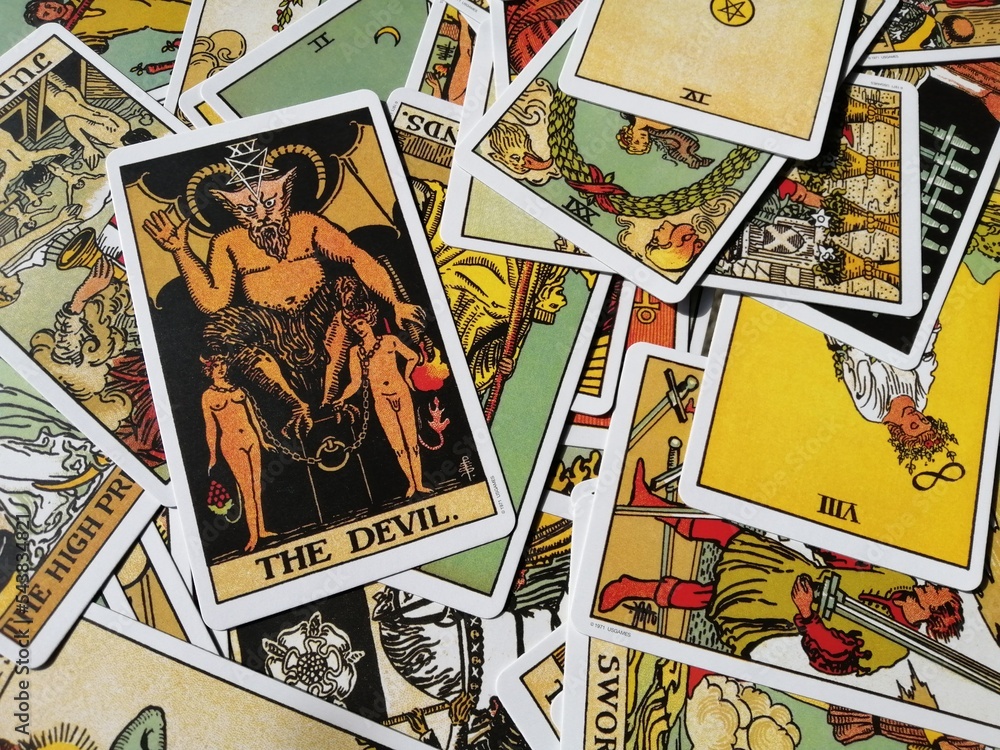
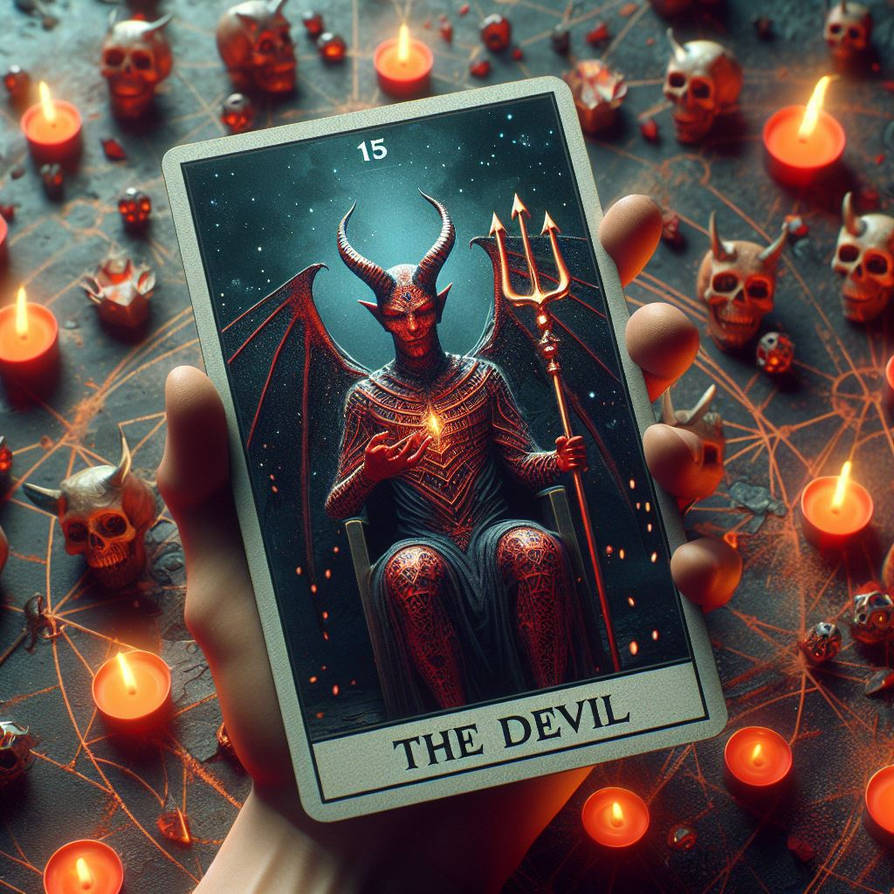
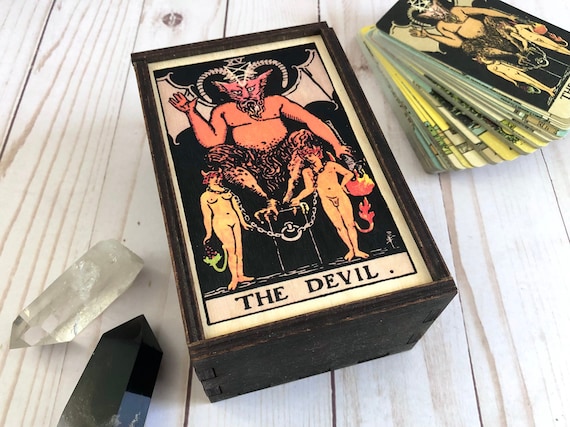
The Devil card in the Tarot deck is often misunderstood as purely negative, representing bondage, temptation, or even evil. However, this interpretation only scratches the surface. At its core, the Devil card symbolizes the chains we place upon ourselves—whether through fear, addiction, or limiting beliefs. The imagery typically shows a horned figure with bat-like wings, often flanked by two smaller figures chained to a pedestal. These chains are loose, suggesting that the figures could free themselves at any moment. This detail is crucial: the Devil card reminds you that the power to break free lies within you.
In the context of “You’re the Cage,” the Devil card becomes a playful yet profound challenge. It asks: What invisible chains have you willingly worn? It’s not about external forces holding you back, but rather the internal ones—the excuses, the comfort zones, and the stories you tell yourself to stay stuck. By reframing the Devil card as a metaphor for self-imposed limitations, you can begin to see it as a call to action rather than a warning.
Breaking Down the Symbolism: The Cage You Built
The Devil card is rich with symbolism that ties directly into the idea of “You’re the Cage.” The horned figure often represents the shadow self—the parts of you that you suppress or deny. The chains, as mentioned, are loose, symbolizing that you have the power to remove them. The flames at the figure’s feet represent passion or desire, but they can also burn away what no longer serves you. Even the inverted pentagram, often associated with the card, can be reinterpreted as a symbol of breaking free from conventional structures.
When viewed through the lens of “You’re the Cage,” these symbols take on a new meaning. The cage isn’t an external prison; it’s the mental and emotional constructs you’ve built over time. For example, if you’ve ever told yourself, “I’m not good enough to try,” or “This is just how I am,” you’ve placed yourself in a cage. The Devil card challenges you to question these narratives and ask: What would happen if I removed the bars?
The Playful Challenge: What’s Your Cage Made Of?
The Devil card isn’t just about recognizing your cages; it’s also about playing with the idea of them. This playful challenge invites you to get creative with your self-reflection. Start by asking yourself: What’s one thing I’ve been telling myself I “have” to do or be? Maybe it’s a job you hate but feel stuck in, a relationship that drains you, or a habit you can’t seem to break. Write it down, and then imagine the cage around it. What does it look like? Is it made of glass, metal, or something more abstract like fear?
Next, consider the lock on your cage. What’s the key? Is it courage? Self-compassion? A willingness to embrace discomfort? The Devil card reminds you that the key is already in your possession—you just have to turn it. For example, if your cage is procrastination, the key might be setting small, manageable goals. If it’s self-doubt, the key could be affirmations or seeking support. The challenge here is to experiment with removing one bar at a time and observing how it feels.
From Reflection to Action: Stepping Out of the Cage
Recognizing your cage is the first step, but the Devil card’s true power lies in taking action. This section explores practical ways to use the card’s energy to break free. Start by identifying a recurring pattern in your life that feels limiting. It could be a toxic relationship, a self-sabotaging habit, or a belief that holds you back. Once you’ve identified it, ask yourself: What’s one small step I can take today to challenge this cage?
For example, if your cage is perfectionism, challenge yourself to do something imperfectly. If it’s fear of failure, try something new without expecting success. The Devil card encourages you to embrace the messiness of growth. Remember, the figures chained to the pedestal in the card are not forced to stay—they choose to. Similarly, you have the power to choose differently. Keep a journal to track your progress, noting how it feels to loosen the chains, even just a little.
Another approach is to reframe the Devil card’s energy. Instead of seeing it as a warning, view it as a reminder that you are the creator of your reality. The cage is a construct, and you have the ability to redesign it. This might mean setting boundaries, saying no, or prioritizing your well-being over others’ expectations. The key is to approach this process with curiosity rather than judgment. Ask yourself: What would my life look like if I removed this cage? Let the answer guide your next steps.
Conclusion
The Tarot Devil card, when viewed through the lens of “You’re the Cage,” becomes a powerful tool for self-discovery and empowerment. It challenges you to recognize the invisible boundaries you’ve set and invites you to playfully dismantle them. By reframing the card’s symbolism and embracing the playful challenge it presents, you can transform your relationship with limitation and step into a life of greater freedom and authenticity. The cages you’ve built are not permanent—they’re simply structures waiting to be reimagined. So, take a deep breath, turn the key, and step out of the cage. The power to change your story has always been yours.
FAQ
What does the Devil card symbolize in Tarot?
The Devil card symbolizes self-imposed limitations, temptation, and the chains we place on ourselves, often challenging us to confront our fears and beliefs.
How can I use the Devil card for personal growth?
You can use the Devil card to reflect on the cages you've built around yourself and take actionable steps to break free from limiting patterns and beliefs.
Leave a Reply