Short Answer
In this comprehensive guide, you will explore the full picture of upright and reversed tarot card orientations. Whether you’re a beginner or an experienced reader, understanding the differences between upright and reversed cards can deepen your interpretations and enhance your readings. You’ll learn about the symbolic meanings, practical applications, and common misconceptions surrounding card orientations. Additionally, this guide will provide insights into how to approach reversed cards in different contexts, such as art, physics, and personal development. By the end, you’ll have a well-rounded perspective on how to interpret and utilize upright and reversed cards effectively.
Understanding Upright and Reversed Tarot Cards
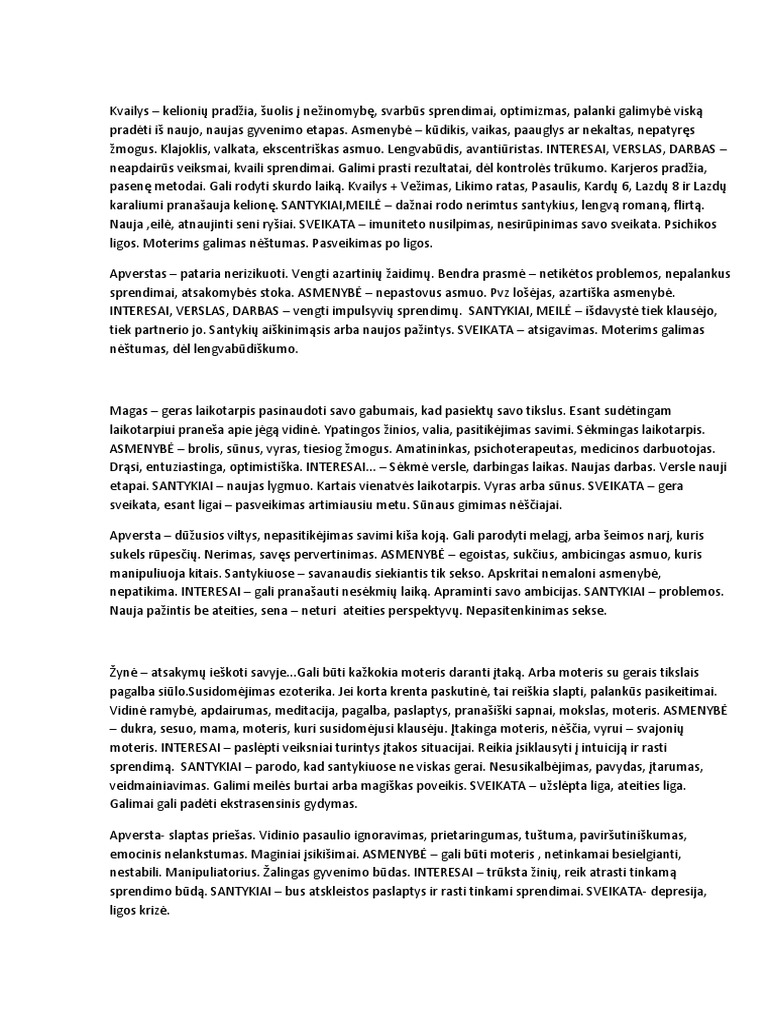
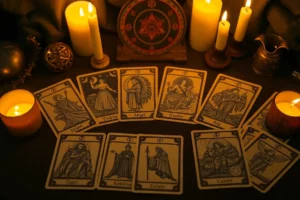
Upright and reversed tarot cards represent two fundamental orientations that influence the interpretation of a reading. An upright card typically signifies the traditional or positive aspects of the card’s meaning, while a reversed card suggests blocked energy, internal struggles, or a need for introspection. For example, the upright Fool card embodies new beginnings, spontaneity, and adventure, whereas the reversed Fool may indicate recklessness, poor judgment, or hesitation. Understanding these orientations is crucial for accurate and nuanced readings.
It’s important to note that reversed cards are not inherently negative. Instead, they often highlight areas that require attention or growth. For instance, the reversed Tower card might suggest resistance to change or fear of upheaval, rather than an impending disaster. By recognizing the duality of upright and reversed meanings, you can provide more balanced and insightful interpretations in your readings.
Symbolic Meanings and Interpretations
The symbolic meanings of upright and reversed cards vary depending on the deck and the reader’s intuition. However, there are general themes associated with each orientation. Upright cards often reflect the card’s core message in its most straightforward form. For example, the upright Lovers card may represent harmony, love, or alignment, while the reversed Lovers could indicate disharmony, misalignment, or difficult choices.
Reversed cards can also signify internal conflicts or external challenges. The reversed Emperor, for instance, might suggest a lack of structure, authority issues, or feeling powerless. Conversely, it could also indicate a need to reclaim personal power or reassess leadership roles. By exploring these symbolic meanings, you can tailor your interpretations to the querent’s specific situation and provide more personalized insights.

Practical Applications in Tarot Readings
Incorporating upright and reversed cards into your tarot readings requires practice and adaptability. One common approach is to use reversed cards to highlight areas of the querent’s life that need attention or transformation. For example, if the reversed Three of Cups appears, it might suggest feelings of isolation or unresolved emotions related to social connections. By addressing these areas, the querent can work toward healing and growth.
Another practical application is to use reversed cards as a tool for self-reflection. If you draw a reversed card for yourself, consider what it might be telling you about your own journey. Are there patterns or behaviors you need to change? Are you resisting necessary growth? By asking these questions, you can use reversed cards as a catalyst for personal development and positive change.
Common Misconceptions About Reversed Cards
One of the most prevalent misconceptions about reversed cards is that they are always negative. While reversed cards can indicate challenges, they are not inherently bad omens. Instead, they often serve as a mirror, reflecting areas of the querent’s life that require attention or introspection. For example, the reversed Ten of Swords might suggest a painful ending, but it can also signify the release of old burdens and the potential for renewal.
Another misconception is that reversed cards should be avoided or ignored in readings. However, many experienced readers find that reversed cards add depth and nuance to their interpretations. By embracing both upright and reversed cards, you can provide a more comprehensive and balanced reading that addresses the full spectrum of the querent’s experiences.
Reversed Cards in Different Contexts
While tarot is the most common context for upright and reversed cards, these concepts can also be applied to other areas of life. For example, in art, an inverted image can evoke different emotions or perspectives. A portrait painted upside down might challenge the viewer’s perception and encourage them to see the subject in a new light. Similarly, in physics, understanding the difference between upright and inverted images is essential for grasping concepts like reflection and refraction.
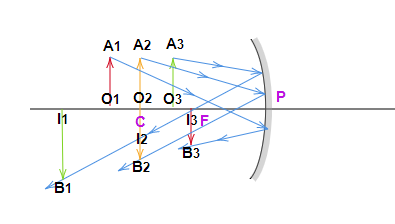
In personal development, upright and reversed orientations can symbolize progress and setbacks. For instance, if you’re working toward a goal, an upright card might represent your progress, while a reversed card could indicate obstacles or the need to reassess your approach. By recognizing these patterns, you can navigate challenges more effectively and stay aligned with your aspirations.
How to Approach Reversed Cards in Readings
When encountering a reversed card in a reading, it’s essential to approach it with an open mind and a willingness to explore its deeper meanings. Start by considering the card’s traditional upright meaning and then reflect on how its reversed orientation might alter that interpretation. Ask yourself questions like: What blocked energy might this card represent? How can the querent address this issue? What lessons can be learned from this reversal?
It’s also helpful to consider the surrounding cards in the spread. If multiple reversed cards appear, they might indicate a theme or pattern in the querent’s life. Conversely, if only one reversed card appears, it might highlight a specific challenge or opportunity for growth. By analyzing the context of the reading, you can provide a more accurate and meaningful interpretation.
Conclusion
Understanding the full picture of upright and reversed tarot cards is essential for any reader looking to deepen their interpretations and provide more nuanced guidance. By exploring the symbolic meanings, practical applications, and common misconceptions surrounding these orientations, you can enhance your readings and offer more insightful advice to querents. Whether you’re using tarot for personal growth, spiritual exploration, or professional readings, embracing both upright and reversed cards will allow you to see the complete picture and guide others with clarity and compassion.
FAQ
What do upright tarot cards generally signify?
Upright tarot cards typically represent the traditional, positive, or straightforward meanings of the card’s symbolism.
Are reversed tarot cards always negative?
No, reversed cards often highlight challenges, internal conflicts, or areas for growth rather than inherently negative outcomes.
How should I interpret reversed cards in a tarot reading?
Approach reversed cards with openness, considering blocked energy, introspection, or lessons, and analyze them in the context of surrounding cards.
Can the concept of upright and reversed cards apply outside of tarot readings?
Yes, these orientations can also be applied in contexts like art, physics, and personal development to symbolize different perspectives or states.
Leave a Reply