Short Answer
Card Overview
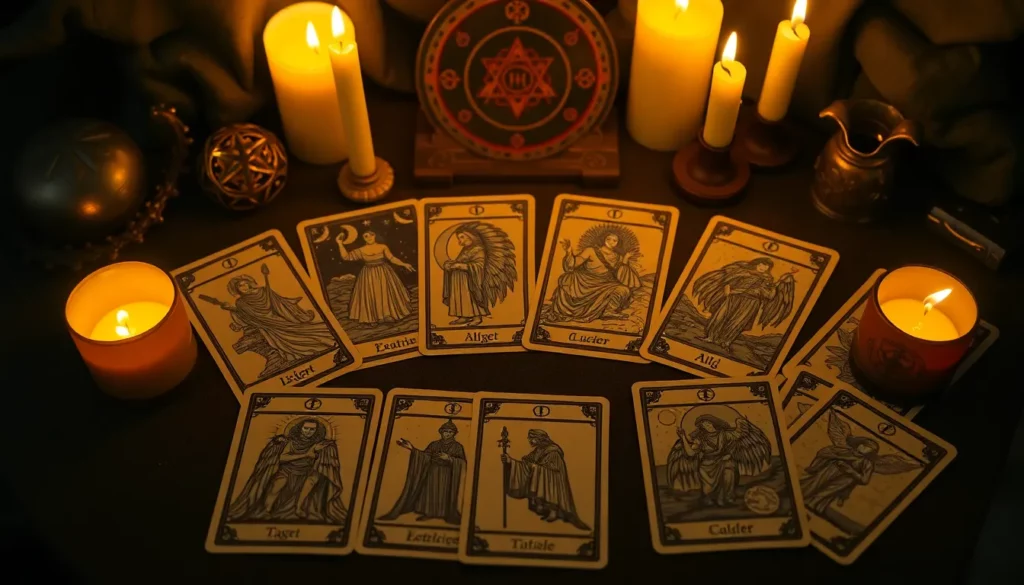
Tarot cards are a deck of symbolic images used in divination to gain insight into situations, emotions, and future possibilities. Each card carries a central theme and emotional tone that plays a key role in a tarot reading. The position of a card—upright or reversed—adds layers to its interpretation. Upright cards typically convey the card’s direct, active energy, while reversed cards often indicate blocked or internalized aspects of that energy. Recognizing whether a card appears upright or reversed is important because it can alter the message conveyed, highlighting challenges, delays, or alternative perspectives. This duality enriches the reading by providing a more nuanced understanding of the querent’s situation.
Upright Meaning
When a tarot card appears upright, it generally reflects the card’s primary, positive, or direct energy. Upright meanings emphasize clarity, opportunity, and straightforward lessons. This orientation suggests that the card’s qualities are manifesting openly, often encouraging action, growth, or awareness. For example, an upright card might indicate a clear path forward, successful endeavors, or lessons that are being actively learned. The upright position invites the reader to consider how the card’s positive attributes apply concretely to the querent’s life, signaling readiness to embrace change or accept guidance.
Reversed Meaning
Reversed tarot cards are those that appear upside down in a spread, signaling a shift from the card’s upright meaning. Reversals often suggest blocked energy, delays, internal conflicts, or imbalances related to the card’s symbolism. This position can indicate that the positive aspects of the card are weakened, hindered, or require introspection. It may highlight areas where the querent needs to reconsider their approach, release resistance, or address hidden challenges. Reversed cards can soften or complicate the upright message, offering insight into subconscious dynamics, avoidance, or the need for caution before proceeding.
Love Meaning
In matters of love and relationships, upright tarot cards typically indicate clear emotions, healthy communication, or positive developments in romance. They can point to attraction, commitment, or emotional growth. For singles, upright cards often suggest openness to new connections or readiness for love. For those in relationships, they may highlight harmony, mutual understanding, or deepening bonds. Reversed cards, in contrast, might reflect emotional blockages, misunderstandings, or challenges to intimacy. They can point to delays in commitment, unresolved conflicts, or the need to heal past wounds before progress is possible.
Career Meaning
In professional contexts, upright tarot cards often signify opportunity, productivity, leadership, and clear decision-making. They may herald career advancement, creative inspiration, or successful collaborations. Upright cards encourage embracing ambition and taking active steps toward goals. Conversely, reversed cards in career readings can suggest obstacles, workplace tension, or miscommunication. They may indicate stalled projects, the need for reassessment, or internal doubts affecting performance. Reversals call for reflection and possibly a change in strategy to overcome professional challenges.
Money Meaning
Regarding finances, upright tarot cards generally convey growth, stability, abundance, or wise management of resources. They can signal opportunities for investment, increased income, or disciplined spending. Upright cards encourage confidence and prudent financial planning. Reversed cards may warn of financial mismanagement, risk-taking, or instability. They can indicate the need to reassess one’s relationship with money, avoid impulsive decisions, or address material anxieties. The reversed position urges caution and a more mindful approach to financial matters.
Spiritual Meaning
Spiritually, upright cards often represent clarity, growth, and alignment with higher wisdom. They encourage self-awareness, intuitive development, and embracing karmic lessons. The upright position supports personal transformation and connection to one’s spiritual path. When reversed, cards may point to spiritual blocks, inner confusion, or resistance to growth. They highlight the need for introspection, healing, and releasing limiting beliefs. Reversed cards invite the seeker to deepen their practice and confront shadow aspects to progress on their spiritual journey.
Yes or No Meaning
In yes-or-no tarot readings, upright cards generally lean toward affirmative answers, signaling positive outcomes or encouragement to proceed. However, reversed cards often indicate a more cautious or negative response, suggesting delays, obstacles, or the advisability of reconsideration. Many cards offer conditional answers depending on the question’s context and surrounding cards, so reversals may imply “maybe” or “wait” rather than a definitive no. Understanding these nuances helps provide balanced guidance rather than simplistic binary answers.
Symbolism
Each tarot card includes distinct symbols, imagery, colors, numbers, and figures that enrich its meaning. Upright cards present these elements clearly, emphasizing their intended message. Reversed cards can invert or distort these symbols, suggesting hidden or contrary interpretations. For example, imagery that represents growth, clarity, or strength in the upright position might imply stagnation, confusion, or weakness when reversed. Colors may shift in tone, and figures’ gestures might appear restrained or withdrawn. Careful attention to these symbolic details assists readers in intuitively grasping the card’s layered meanings.
Card Combinations
The meaning of an upright or reversed card can be influenced by the cards surrounding it in a spread. When paired with other Major Arcana cards, a card’s energy may be amplified or tempered, altering its significance. For instance, an upright card combined with a reversed card might indicate conflict or imbalance between different life areas. Combinations with court cards can clarify interpersonal dynamics or personality traits affecting the reading. When cards from the same suit appear together, they often emphasize a thematic focus like emotions, challenges, or opportunities. Understanding these interactions enhances the depth and nuance of tarot interpretations.
FAQ
What does it mean when a tarot card is reversed?
A reversed tarot card usually indicates blocked energy, delays, or internalized aspects of the card’s meaning. It suggests a need to reconsider or address hidden challenges.
Are reversed tarot cards always negative?
Not necessarily. Reversed cards can indicate delays or internal reflection rather than outright negativity. They add complexity and nuance to interpretations.
Should all tarot readers use reversed cards?
Some readers prefer to include reversed cards to deepen interpretations, while others read only upright cards. The choice depends on personal style and the deck used.
Leave a Reply