Short Answer
In this guide, you’ll explore the profound symbolism, psychological depth, and transformative power of the Hanged Man, the twelfth card of the Major Arcana in the tarot. You’ll uncover its counterintuitive lessons, the art of surrender, and how this card challenges conventional wisdom to reveal hidden truths. Whether you’re a tarot enthusiast, a seeker of personal growth, or simply curious about the deeper meanings of life’s pauses, this exploration will illuminate why the Hanged Man is often called the most paradoxical and liberating card in the deck.
The Hanged Man: A Paradox in Stillness
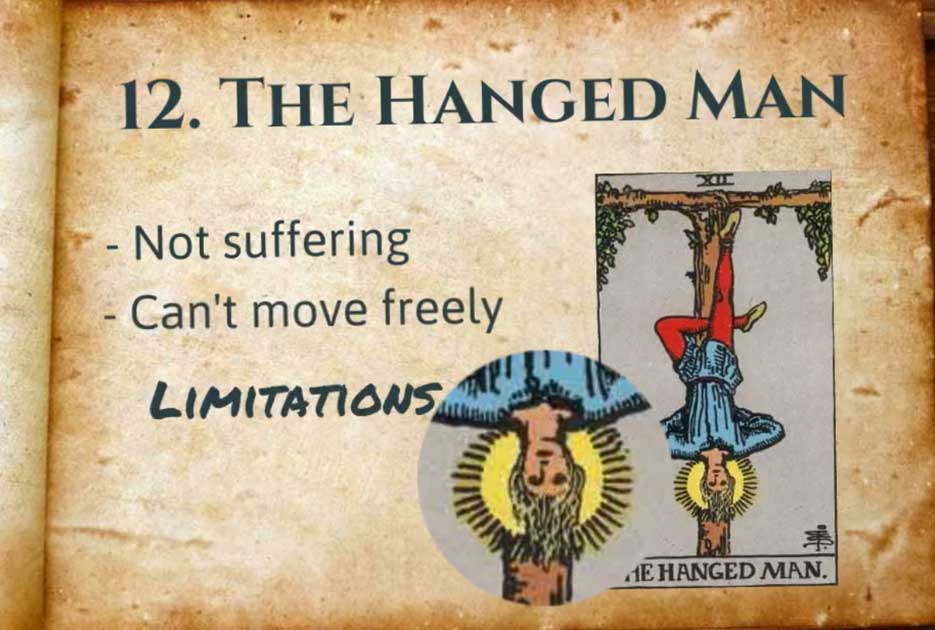
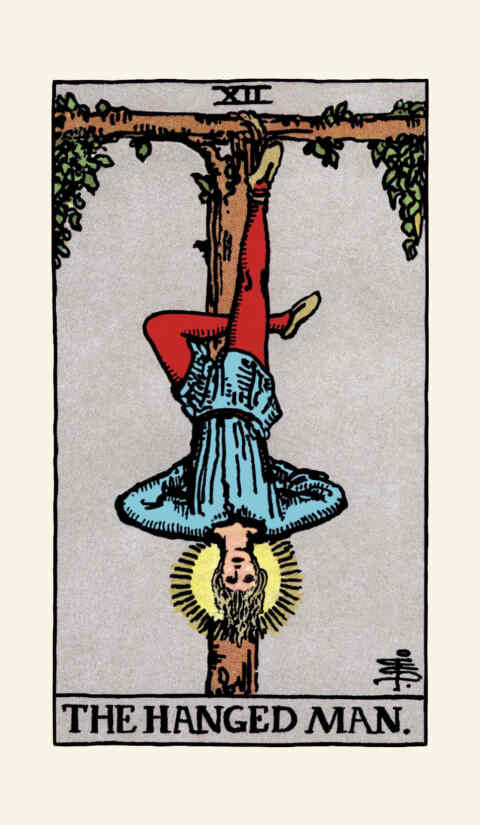
The Hanged Man is a card of suspension—not in the sense of defeat, but of deliberate pause. Depicted as a figure hanging upside-down from a living tree, bound by one foot, the card embodies a state of suspended animation where time seems to stand still. Yet this is not a position of helplessness; it is a conscious choice. The inverted figure’s serene expression and the golden halo around his head suggest enlightenment through stillness, a theme echoed in spiritual traditions worldwide where surrender is the path to wisdom.
This paradox lies at the heart of the Hanged Man’s appeal: it teaches that true progress often requires stepping back. In a culture obsessed with action and achievement, the card invites you to reconsider what it means to be “productive.” It asks: What if the most valuable thing you can do right now is nothing at all? The answer, the card whispers, is that in stillness, you gain clarity, perspective, and the rare gift of seeing the world from a new angle.
The Symbolism of Surrender: Unbinding the Illusion of Control
Every element in the Hanged Man’s imagery is rich with meaning. The tree from which he hangs is alive, not dead—a symbol of growth and potential. Its roots delve deep into the earth, while its branches reach toward the sky, mirroring the balance between the material and spiritual realms. The rope binding his foot is loose, suggesting that his suspension is voluntary, a testament to his trust in the process. Even the figure’s calm demeanor contrasts with the discomfort of his position, reinforcing the idea that surrender is not passive resignation but an active, empowering choice.
The card’s number, 12, carries its own significance. In numerology, 12 represents completion and transition—the end of one cycle before the beginning of another. This aligns with the Hanged Man’s role as a bridge between phases of life. The number also evokes the 12 signs of the zodiac, each a distinct energy that must be integrated for wholeness. Here, the Hanged Man embodies the necessity of pausing to integrate lessons before moving forward.
Psychological Depth: The Art of Voluntary Sacrifice
From a psychological standpoint, the Hanged Man represents the power of voluntary sacrifice—a concept central to many spiritual and therapeutic practices. Unlike forced sacrifice, which breeds resentment, the Hanged Man’s suspension is a deliberate act of letting go. This mirrors the process of cognitive reframing, where you choose to view a challenging situation from a different perspective. It’s the moment you decide to see a setback not as a failure, but as a necessary detour on the path to growth.
This card often appears when you’re being called to reassess your priorities. Are you clinging to a goal out of ego, or is it truly aligned with your highest good? The Hanged Man challenges you to ask whether your current struggles stem from external pressures or internal resistance to change. It’s a reminder that sometimes, the most rebellious act is to pause—to refuse to participate in the relentless chase and instead, trust the timing of your life.
Practical Applications: When the Hanged Man Appears in Your Life
The Hanged Man is not a card of action, but of reflection—and its guidance is most potent when you’re at a crossroads. If this card appears in a reading, it’s a sign to pause and reassess. Are you forcing a situation that needs to unfold naturally? Are you resisting a necessary change because of fear or attachment? The Hanged Man encourages you to adopt a “wait and see” mindset, trusting that what feels like stagnation is actually preparation.
In relationships, the Hanged Man may indicate a need for patience. Instead of pushing for resolution, it asks you to observe and listen. In career matters, it could suggest that a temporary setback is redirecting you toward a more fulfilling path. Even in creative endeavors, this card reminds you that inspiration often strikes in moments of stillness, not relentless effort.
To work with the Hanged Man’s energy, try a practice of “active stillness.” Set aside time each day to simply observe your thoughts without judgment. Journal about areas of your life where you’re resisting change. Ask yourself: Where am I holding on too tightly? The answers may surprise you.
Cultural and Historical Echoes: The Hanged Man Across Traditions
The Hanged Man’s imagery resonates across cultures, each offering a unique lens on its meaning. In Norse mythology, Odin hung from the world tree Yggdrasil for nine nights to gain wisdom—a parallel to the tarot’s suspended figure. In Hinduism, the concept of tapas (austerity) involves voluntary sacrifice for spiritual growth, echoing the card’s theme of surrender. Even in modern psychology, the “dark night of the soul” describes a period of intense inner turmoil that precedes transformation, much like the Hanged Man’s suspended state.
This cross-cultural resonance underscores the card’s universal appeal. It’s a reminder that the struggle to let go is not unique to any one tradition—it’s a human experience. The Hanged Man bridges ancient wisdom and contemporary life, offering a timeless solution to the modern dilemma of constant busyness.
Conclusion: The Liberation in Letting Go
The Hanged Man is a card of paradoxes: stillness as movement, surrender as strength, and pause as progress. It challenges the myth of relentless productivity and invites you to embrace the transformative power of surrender. In a world that often equates worth with action, this card is a radical act of self-care—reminding you that sometimes, the most powerful thing you can do is to stop, look around, and trust the process.
When the Hanged Man appears, know that you’re being called to a higher perspective. The discomfort you feel is not a sign of failure, but of growth in motion. By choosing to pause, you’re not giving up—you’re gaining the clarity to move forward with intention. The tree that holds you is alive, and so are you. Your suspension is temporary, but the wisdom you gain will be eternal.
FAQ
What does the Hanged Man tarot card symbolize?
The Hanged Man symbolizes surrender, voluntary sacrifice, and gaining new perspectives through stillness and reflection.
Is the Hanged Man card about defeat or passivity?
No, the Hanged Man represents a deliberate pause and conscious choice to surrender, not defeat or passivity.
How can I apply the Hanged Man’s message in daily life?
You can practice active stillness by pausing, reflecting on resistance to change, and trusting the natural timing of events.
What is the significance of the number 12 on the Hanged Man card?
The number 12 represents completion and transition, symbolizing the end of one cycle before a new beginning.
Leave a Reply