Short Answer
Welcome to your in-depth guide to the Original 1909 Rider-Waite Tarot—the very first deck of its kind, created by artist Pamela Colman Smith under the guidance of mystic A.E. Waite. Whether you’re a seasoned reader or just beginning your journey into the world of tarot, this guide will illuminate the history, symbolism, and enduring magic of the Original 1909 Rider-Waite Tarot. You’ll discover what makes this deck so special, how its imagery has shaped modern tarot, and why it continues to captivate millions around the world. By the end, you’ll not only understand its significance but also feel inspired to explore its cards with fresh curiosity and insight.
The Birth of a Legend: A Brief History of the Original 1909 Rider-Waite Tarot
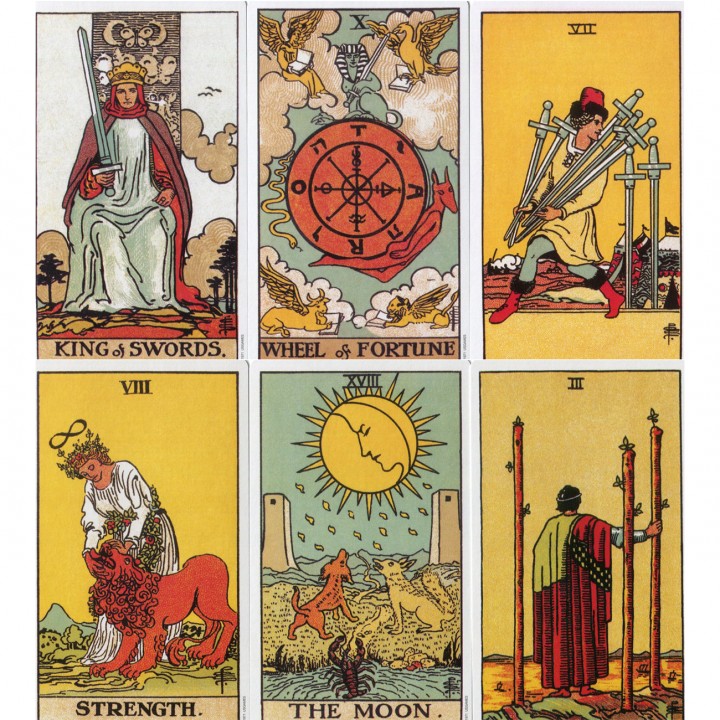
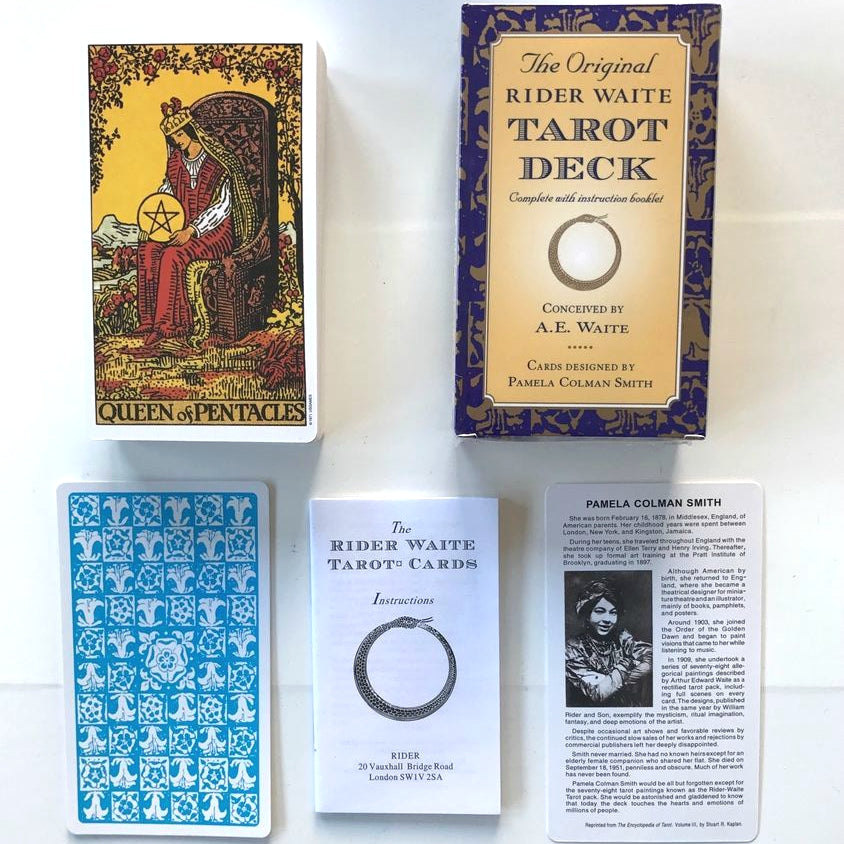
The Original 1909 Rider-Waite Tarot is more than just a deck of cards—it’s a cultural phenomenon. Commissioned by the Rider Company and designed by Pamela Colman Smith, this was the first tarot deck to include fully illustrated scenes on all 78 cards, including the Minor Arcana. Before this, most tarot decks only showed symbolic illustrations on the Major Arcana, leaving the Minor Arcana cards as simple suit symbols. Smith’s groundbreaking work transformed the tarot into a visual storytelling tool, making it accessible and deeply intuitive for readers of all levels.
Published in 1909, the deck was an instant success, blending esoteric symbolism with artistic expression. Its creation coincided with a surge of interest in mysticism, psychology, and the occult, cementing its place in history. The Original 1909 Rider-Waite Tarot wasn’t just a tool for divination—it became a bridge between the mystical and the everyday, inviting users to explore their inner worlds through rich, narrative-driven imagery.
What Makes the Original 1909 Rider-Waite Tarot Unique?
The Original 1909 Rider-Waite Tarot stands apart from later reproductions and modern decks in several key ways. First, its artwork is rooted in the early 20th-century aesthetic, characterized by soft yet evocative watercolor and ink illustrations. The colors are muted yet warm, creating a dreamlike atmosphere that draws the viewer in. Unlike later, more stylized versions, the Original 1909 deck retains a handcrafted, almost artisanal quality, with subtle brushstrokes and delicate details that invite close examination.
Another defining feature is the deck’s symbolism. Smith drew from a wide range of influences, including Christian mysticism, Kabbalah, and Arthurian legend, weaving these threads into a cohesive visual language. For example, the High Priestess card features a veiled figure seated between two pillars, symbolizing duality and hidden knowledge—a motif that has since become iconic in tarot imagery. The deck’s ability to convey complex spiritual concepts through simple yet profound scenes is what makes it timeless.
Exploring the Major Arcana: A Journey Through Archetypes
The Major Arcana consists of 22 cards, each representing a significant life lesson or spiritual milestone. In the Original 1909 Rider-Waite Tarot, these cards are rich with symbolism that invites deep reflection. For instance, The Fool card depicts a young man standing at the edge of a cliff, a small dog nipping at his heels, and a white rose in his hand. This image captures the essence of spontaneity, risk-taking, and new beginnings—a perfect metaphor for life’s unpredictable journeys.
The Death card, often misunderstood, shows a skeletal figure riding a white horse, with a bishop and a maiden kneeling in reverence. Far from representing literal death, this card symbolizes transformation, endings that pave the way for renewal. The Original 1909 version emphasizes the cyclical nature of life, a theme that resonates throughout the Major Arcana. Each card tells a story, and when read together, they form a powerful narrative about personal growth and spiritual awakening.
The Minor Arcana: A Hidden World of Everyday Magic
One of the most revolutionary aspects of the Original 1909 Rider-Waite Tarot is its fully illustrated Minor Arcana. Unlike traditional decks, where the Minor Arcana cards are simple suit symbols, Smith’s illustrations bring these cards to life with vivid scenes. For example, the Three of Cups shows three women dancing in a circle, holding cups aloft—a celebration of joy, friendship, and community. The Ten of Swords depicts a fallen figure with ten swords piercing their back, symbolizing betrayal or a painful ending, but also the potential for rebirth.
This level of detail transforms the Minor Arcana from mere numerical sequences into a rich tapestry of human experience. Whether you’re drawing the Five of Pentacles, which shows two figures walking through snow past a stained-glass window, or the Knight of Wands, charging forward on a fiery steed, each card offers a window into the joys, struggles, and triumphs of daily life. The Original 1909 deck encourages readers to see magic in the mundane, reminding us that even the smallest moments carry deeper meaning.
The Challenge of Interpretation: Why the Original 1909 Deck Demands Your Attention
While the Original 1909 Rider-Waite Tarot is beloved for its beauty and depth, it also presents a unique challenge: its symbolism is open to interpretation. Unlike modern decks with simplified or abstract imagery, the Original 1909 deck requires the reader to engage more deeply with each card’s details. For example, the Two of Cups shows a man and woman exchanging cups, but also features a caduceus and a lion—symbols that hint at alchemical union and spiritual harmony. This complexity can be daunting for beginners but rewarding for those willing to spend time unraveling its layers.
Another challenge lies in the deck’s aging process. Over a century old, some cards may show signs of wear, such as faded colors or slight discoloration. While this adds to its vintage charm, it can also make certain details harder to discern. However, many readers find that these imperfections enhance the deck’s mystique, as if the cards themselves carry the wisdom of time. To overcome this challenge, take your time studying each card, using a magnifying glass if necessary, and allow the imagery to speak to you intuitively.
How to Use the Original 1909 Rider-Waite Tarot in Your Practice
Whether you’re a professional reader or a casual enthusiast, the Original 1909 Rider-Waite Tarot can be a powerful tool for self-discovery and divination. Start by familiarizing yourself with the deck through daily draws or simple one-card readings. Pay attention to the emotions and thoughts that arise as you shuffle the cards—these are often as important as the cards themselves. Keep a journal to track your interpretations and notice patterns over time.
For more advanced readings, try using the deck in spreads like the Celtic Cross or a simple three-card layout (past, present, future). The Original 1909 deck’s rich imagery will add depth to your readings, allowing you to explore not just surface-level answers but also the underlying energies at play. You might also experiment with meditating on a single card each day, allowing its symbolism to seep into your subconscious and guide your actions.
Conclusion: Why the Original 1909 Rider-Waite Tarot Remains Timeless
The Original 1909 Rider-Waite Tarot is more than a historical artifact—it’s a living, breathing guide to the human experience. Its artwork, steeped in symbolism and emotion, continues to inspire artists, writers, and spiritual seekers alike. Whether you’re drawn to its vintage aesthetic, its rich storytelling, or its ability to reveal hidden truths, this deck offers something for everyone. It challenges us to look deeper, to ask playful yet profound questions, and to embrace the mysteries of life with an open heart.
As you explore the Original 1909 Rider-Waite Tarot, remember that its magic lies not just in the cards themselves but in the connection you forge with them. Each reading is a dialogue between you and the deck, a dance of intuition and insight. So shuffle the cards, ask your question, and let the journey begin. The Original 1909 Rider-Waite Tarot is waiting to share its wisdom with you.
FAQ
What is the Original 1909 Rider-Waite Tarot?
The Original 1909 Rider-Waite Tarot is the first tarot deck to include fully illustrated scenes on all cards, designed by Pamela Colman Smith.
Why is the Original 1909 Rider-Waite Tarot significant?
It transformed tarot reading by making the Minor Arcana more accessible and visually engaging, combining artistic expression with esoteric symbolism.
Leave a Reply