Short Answer
Have you ever felt like your life is about to undergo a profound transformation, even when nothing obvious has changed? The Death tarot card often appears during these moments, signaling not an end, but a powerful transition into a new phase of life. In this guide, you’ll discover the deeper meanings behind this card, how it manifests in your daily experiences, and what it truly represents beyond its ominous reputation. By the end, you’ll understand how to recognize the subtle signs of change and embrace the renewal it brings.
The Death Tarot Card: More Than Meets the Eye
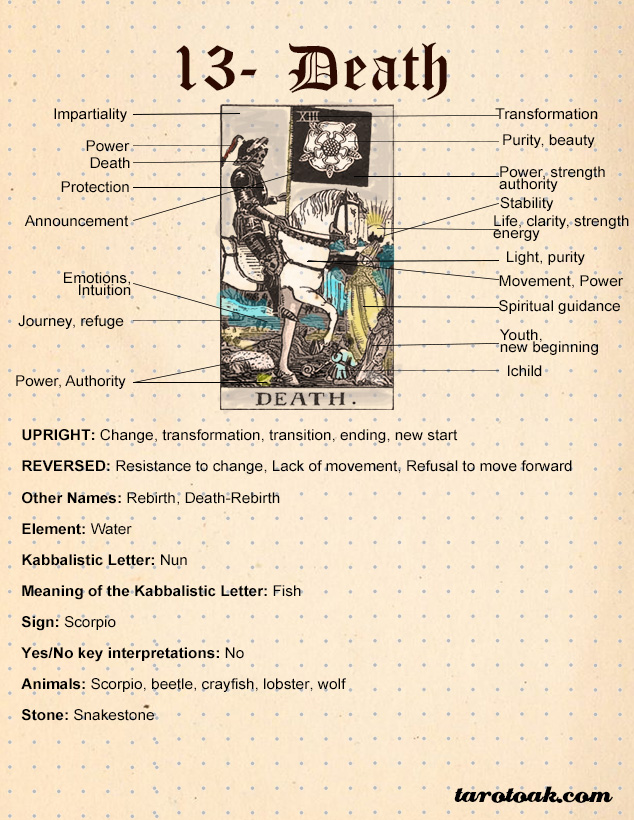
The Death card in tarot is one of the most misunderstood cards in the deck. Far from predicting literal demise, it symbolizes transformation, endings, and rebirth. When this card appears in a reading, it’s not a warning of doom but an invitation to release what no longer serves you. This could mean letting go of outdated beliefs, toxic relationships, or stagnant habits that have been holding you back.
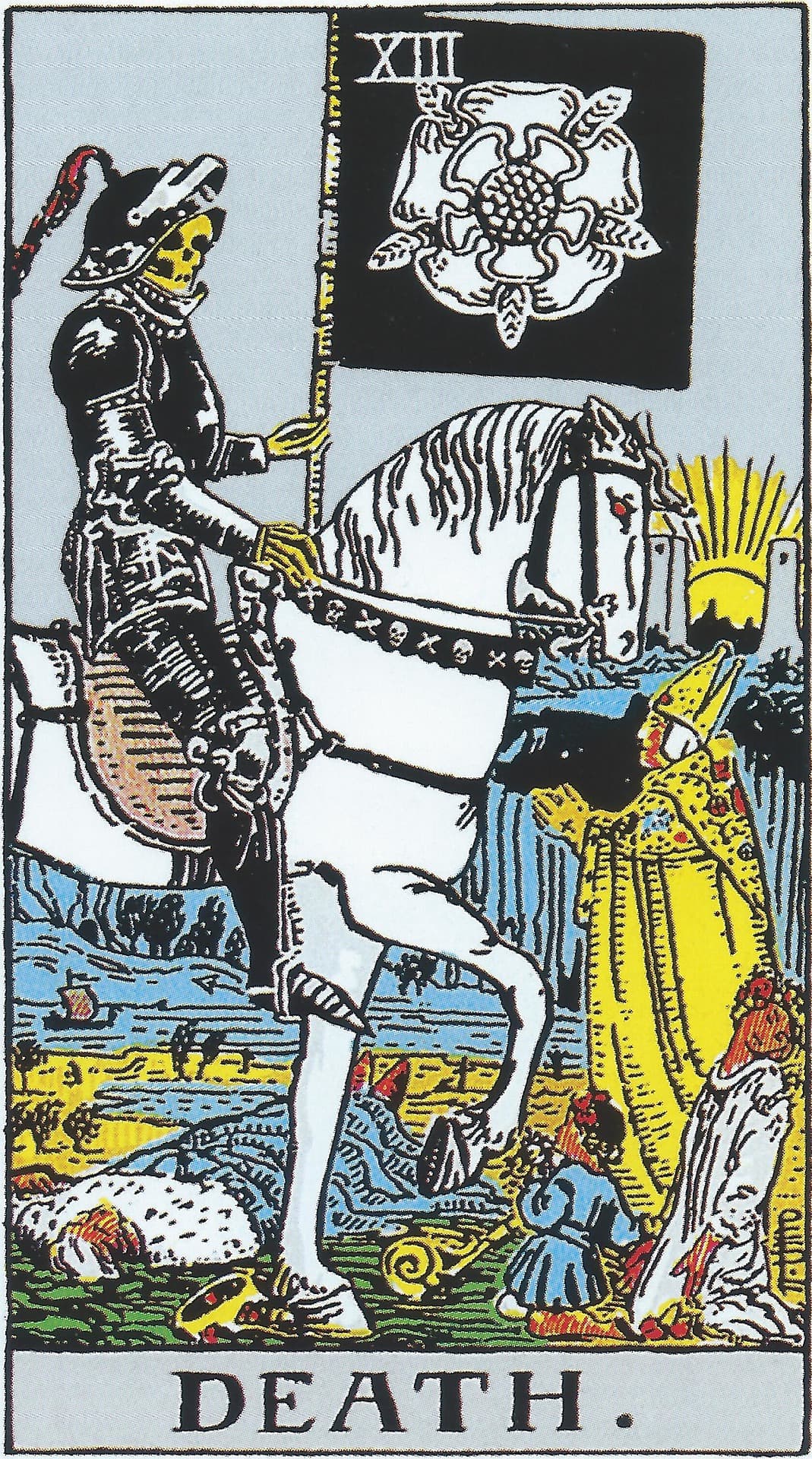
Visually, the Death card often depicts a skeletal figure on horseback, holding a black banner with a white rose—a stark contrast that highlights the balance between destruction and renewal. The rising sun in the background suggests that what follows the “death” is a new dawn. This imagery reinforces the idea that endings are merely the precursors to new beginnings, even if the process feels unsettling at first.
Many people are drawn to the Death card because it resonates with their own experiences of change. There’s a fascination with its dramatic symbolism, but beneath that lies a deeper curiosity about personal growth and the unknown. The card’s presence in a reading often sparks introspection, making it a powerful tool for those seeking clarity during times of uncertainty.
Recognizing the Signs of a Life Transition
Life transitions rarely happen overnight. Instead, they unfold through a series of subtle signs that the Death card can help you interpret. One of the most common indicators is a growing sense of dissatisfaction with your current situation. You might feel restless, unfulfilled, or even trapped in a routine that no longer aligns with your values. This discomfort is often the first whisper of change, urging you to seek something more meaningful.
Another sign is the recurring appearance of the number 13, which is associated with the Death card in numerology. You might notice this number in addresses, phone numbers, or even the time on a clock. While this could be coincidental, it may also serve as a nudge from the universe to pay attention to the transitions unfolding in your life. Paying heed to these synchronicities can help you recognize the deeper patterns at play.
Emotional shifts are also a strong indicator. If you find yourself grieving a loss—whether it’s the end of a relationship, a career change, or a shift in identity—it’s likely that you’re in the midst of a transformative phase. The Death card encourages you to honor these emotions rather than suppress them, as they are essential to the process of renewal. By acknowledging your feelings, you create space for healing and growth.

Why the Death Card Fascinates Us: The Allure of Transformation
The Death card’s appeal lies in its raw honesty about the inevitability of change. Humans are wired to resist endings, yet we’re also deeply fascinated by stories of rebirth—whether in mythology, literature, or our own lives. This duality makes the Death card a compelling symbol, as it bridges the gap between fear and hope. It reminds us that even in our darkest moments, there is potential for renewal.
Psychologically, the Death card taps into our collective unconscious, where archetypes like the Phoenix and the Phoenix rising from ashes reside. These symbols represent resilience and the ability to reinvent oneself, which are universal themes. When the Death card appears, it’s as if the universe is whispering, “You are stronger than you think.” This message resonates deeply because it validates our capacity to adapt and thrive, even in the face of adversity.
Moreover, the Death card challenges our societal obsession with permanence. In a world that often values stability above all else, the idea of embracing change can feel radical. Yet, the card’s presence is a gentle reminder that life is cyclical—what dies today will give rise to something new tomorrow. This perspective can be liberating, especially for those who feel trapped by expectations or past mistakes.
How to Navigate a Life Transition with the Death Card’s Guidance
When the Death card appears in a reading, it’s a call to action. The first step is to reflect on what areas of your life feel stagnant or draining. Are there relationships, jobs, or habits that no longer serve your highest good? Acknowledging these aspects is the first step toward releasing them. Journaling can be a powerful tool here, as it allows you to process your thoughts and identify patterns that need to change.
Next, embrace the concept of sacred surrender. This means trusting that the universe has a plan for you, even when the path isn’t clear. It’s okay to feel uncertain—transitions are inherently messy. Instead of resisting the unknown, try to view it as an opportunity for growth. The Death card teaches that endings are not failures but necessary steps toward a brighter future.
Finally, focus on self-care during this time. Transitions can be emotionally taxing, so it’s important to nurture your mind, body, and spirit. Whether it’s through meditation, spending time in nature, or seeking support from loved ones, prioritize activities that bring you peace. Remember, the Death card isn’t about destruction; it’s about making space for something new and beautiful to emerge.
Conclusion
The Death tarot card is a profound symbol of transformation, urging you to release the old to make way for the new. Its presence in your life—whether in a reading or through subtle signs—is a reminder that change is not only inevitable but necessary for growth. By recognizing the signs of transition, understanding the deeper reasons behind your fascination with this card, and navigating change with intention, you can embrace the renewal it brings.
Life transitions are not easy, but they are opportunities in disguise. The Death card encourages you to trust the process, even when the path ahead is unclear. So, the next time you encounter this powerful symbol, remember: it’s not a warning of doom, but an invitation to rise from the ashes stronger than ever.
FAQ
What does the Death tarot card symbolize?
The Death tarot card symbolizes transformation, endings, and new beginnings rather than literal death.
How can I recognize signs of life change related to the Death card?
Signs include feelings of dissatisfaction, emotional shifts like grief, and recurring appearances of the number 13, which is linked to the Death card in numerology.
How should I approach a life transition when the Death card appears?
Reflect on areas of life that feel stagnant, practice sacred surrender by trusting the universe's plan, and prioritize self-care to navigate emotional challenges.
Why is the Death card often misunderstood?
Because of its name and imagery, many fear it predicts literal death, but it actually represents necessary endings that pave the way for personal growth and renewal.
Leave a Reply