Short Answer
The Death tarot card often evokes fear and misunderstanding, but its true message is far more profound. In this guide, you’ll explore the transformative power of the Death card, uncovering how it symbolizes endings, rebirth, and the promise of a fresh start. You’ll learn to interpret its subtle cues, recognize its role in different life areas, and harness its energy to embrace change. By the end, you’ll see the Death card not as a harbinger of doom, but as a catalyst for growth and renewal.
The Death Tarot Card: More Than Just an Ending
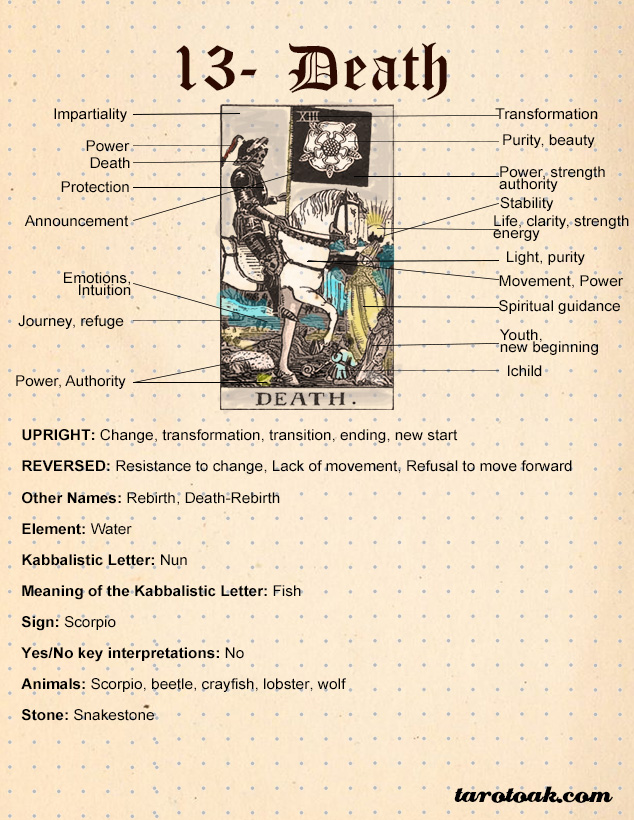
The Death card, numbered XIII in the Major Arcana, is often misunderstood due to its ominous name and skeletal imagery. However, its primary message is not about literal death but about transformation. This card represents the inevitable cycles of life—where endings make way for new beginnings. It’s a reminder that change, though sometimes painful, is necessary for progress. The skeletal figure on the card is not a grim reaper but a symbol of rebirth, often depicted riding a white horse, which signifies purity and the triumph of spirit over matter.
In readings, the Death card signals that a significant phase in your life is concluding. This could relate to relationships, careers, or personal beliefs. The key is to recognize that this ending is not final but a transition. The Death card encourages you to release what no longer serves you, making space for what’s to come. It’s a call to shed old skins, whether they’re habits, toxic relationships, or outdated mindsets, and step into a new version of yourself.

When the Death card appears in a spread, it’s not a warning but an invitation to reflect. Ask yourself: What in my life has run its course? What am I clinging to that’s holding me back? The answers may surprise you. This card doesn’t demand immediate action but urges you to prepare for the inevitable shift. It’s a cosmic nudge to trust the process, even when the path ahead is unclear.
Interpreting the Death Card in Different Contexts
The Death card’s meaning can vary depending on its position in a tarot spread and the surrounding cards. Here’s how to interpret it in key areas of life:
Love and Relationships
In matters of the heart, the Death card often indicates the end of a relationship or a significant transformation within one. This could mean a breakup, a shift in dynamics, or the death of an old way of relating to a partner. If you’re single, it might signal the end of a cycle that was preventing you from finding love. The Death card here is not about despair but about liberation. It’s a sign that you’re being released from a situation that no longer aligns with your growth.
For those in long-term relationships, the card may suggest a need for renewal. Perhaps the passion has faded, or you’ve outgrown each other. The Death card encourages open communication and a willingness to evolve together. It’s not about giving up but about reinventing the relationship on a deeper level.
Career and Finances
In career readings, the Death card can indicate a major change, such as leaving a job, switching industries, or even retiring. It’s a sign that your current path is no longer fulfilling or aligned with your purpose. This might feel daunting, but the card reassures you that this ending is necessary for your professional growth. It could also hint at a complete career overhaul, where you’re called to pursue something entirely new.
Financially, the Death card may suggest the need to cut ties with unsustainable spending habits or investments. It’s a reminder to release what’s draining your resources and focus on what truly matters. This card doesn’t promise instant wealth but encourages a shift in mindset toward abundance and wise decision-making.
Personal Growth and Spirituality
On a personal level, the Death card is a powerful ally for transformation. It often appears when you’re on the cusp of a spiritual awakening or a major personal breakthrough. This could involve shedding old beliefs, embracing a new philosophy, or even a physical transformation like a change in appearance or lifestyle. The Death card is your cosmic cheerleader, urging you to let go of what’s holding you back and step into your highest self.
In spiritual contexts, the card may signal a deepening of your practice or a call to release dogma in favor of a more authentic connection to the divine. It’s a reminder that growth often requires discomfort, but the rewards are immeasurable.
How to Harness the Energy of the Death Card
The Death card’s energy is not passive—it’s a force that demands action. Here’s how to work with its transformative power:
Embrace Change, Don’t Fear It
The most important step is to shift your perspective. Instead of resisting change, see it as an opportunity. Ask yourself: What is this ending teaching me? How can I grow from this experience? Journaling can be a powerful tool here. Write down what you’re leaving behind and what you’re welcoming into your life. This practice helps you process the transition and stay aligned with the card’s energy.
Release What No Longer Serves You
The Death card is all about release. This could mean decluttering your physical space, ending toxic relationships, or letting go of limiting beliefs. Start small—clean out a closet, donate items you no longer need, or practice forgiveness. Each release creates space for new energy to flow into your life. Remember, the card isn’t asking you to force change but to allow it to happen naturally.
Trust the Process
One of the hardest lessons of the Death card is learning to trust the unknown. It’s natural to feel anxious when facing a major transition, but the card reminds you that you’re being guided. Meditation or mindfulness practices can help you stay centered during times of change. Visualize yourself stepping into a new chapter with confidence, knowing that every ending is a setup for a better beginning.
Common Misconceptions About the Death Card
Despite its name, the Death card is rarely about physical death. However, its imagery and reputation often lead to misunderstandings. Here are a few myths debunked:
- Myth: The Death card predicts literal death. Reality: The card is about metaphorical endings and rebirth. It’s a symbol of transformation, not a warning of tragedy.
- Myth: The Death card brings only bad news. Reality: While it marks the end of something, it always paves the way for something new and better. It’s a necessary step in your journey.
- Myth: You must act immediately when the Death card appears. Reality: The card encourages reflection and preparation, not impulsive decisions. Take your time to assess the situation before taking action.
Another common misconception is that the Death card is always a negative omen. In reality, it’s one of the most empowering cards in the deck. It reminds you that you have the power to reinvent yourself at any moment. Whether it’s a career change, a relationship shift, or a personal awakening, the Death card is your ally in embracing the unknown.
Conclusion
The Death tarot card is a profound symbol of transformation, urging you to release the old to make way for the new. It’s not a card of fear but of promise—a reminder that every ending is a beginning in disguise. By interpreting its message with an open heart, you can navigate life’s transitions with grace and curiosity. Whether it appears in a reading or resonates with your current journey, the Death card is a call to evolve, grow, and embrace the beauty of change. So the next time you encounter this powerful card, remember: it’s not the end, but the dawn of something extraordinary.
FAQ
What does the Death tarot card symbolize?
It symbolizes transformation, endings, and the start of new cycles, rather than literal death.
How should I interpret the Death card in a career reading?
It often indicates major change like job transitions, career shifts, or letting go of unfulfilling paths.
Can the Death card be positive?
Yes, it is one of the most empowering cards, signaling growth and renewal.
What is a common myth about the Death card?
That it predicts physical death or only bad news, which is false.
Leave a Reply