Short Answer
Welcome to a deep exploration of Renaissance Tarot Meanings – Old Art, New Burns. In this guide, you’ll uncover the rich symbolism, historical roots, and modern interpretations of Renaissance Tarot decks. Whether you’re a seasoned reader or a curious beginner, this article will illuminate the timeless wisdom these decks hold. You’ll learn about the artistic influences, key card meanings, and how to apply Renaissance Tarot in contemporary readings. By the end, you’ll have a comprehensive understanding of how these decks bridge the past and present, offering fresh perspectives on ancient wisdom.
Historical Roots of Renaissance Tarot
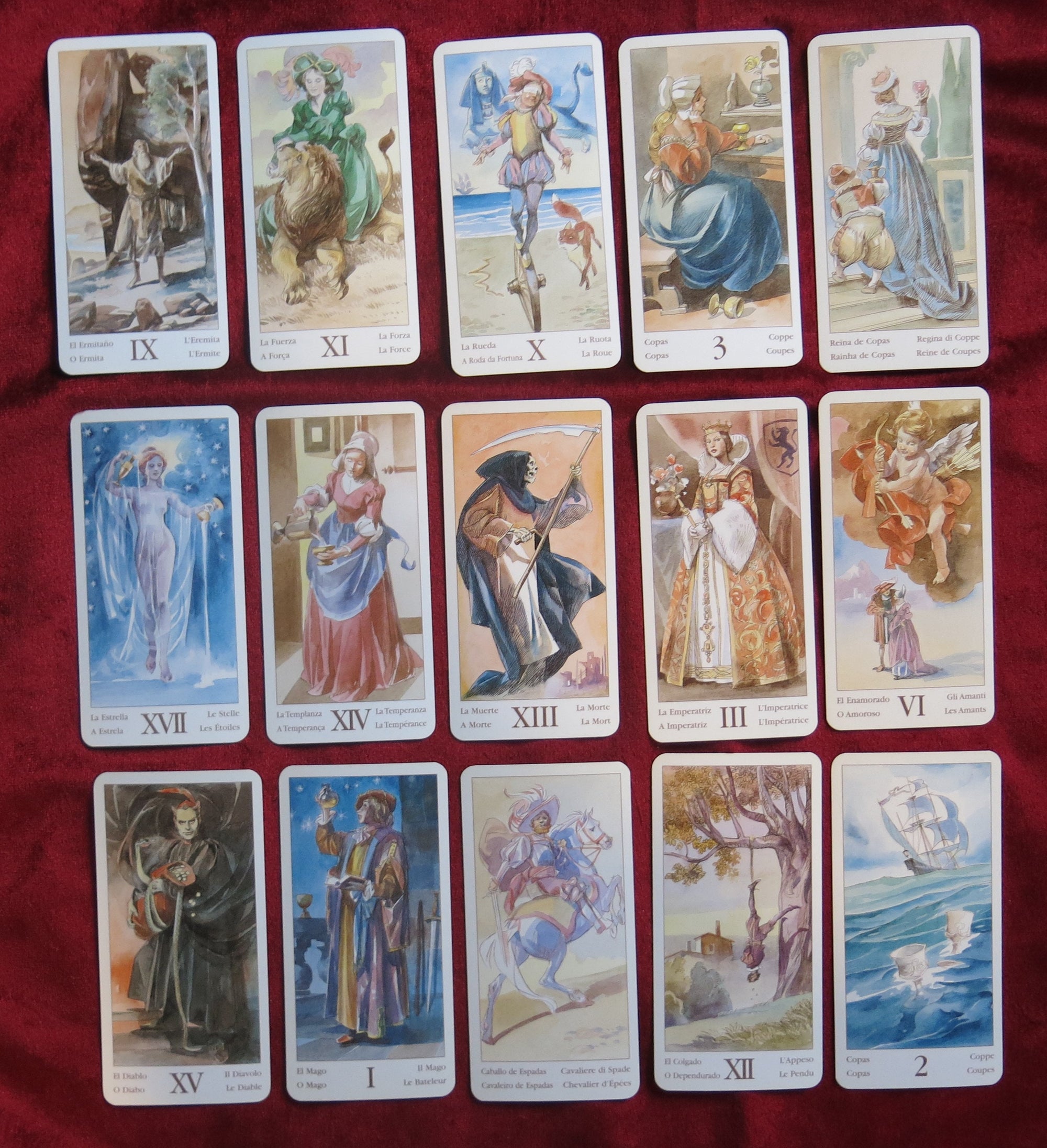
The Renaissance Tarot draws its inspiration from the cultural and artistic revival of the 15th and 16th centuries. Unlike traditional Tarot decks, which often follow the Rider-Waite-Smith or Marseille traditions, Renaissance Tarot decks are steeped in the aesthetics of the Italian Renaissance. This period was marked by a renewed interest in classical antiquity, humanism, and intricate artistry, all of which are reflected in the symbolism of these decks.
The earliest known Tarot decks, such as the Visconti-Sforza deck (c. 1440), were commissioned by Italian nobility and featured elaborate illustrations inspired by medieval and Renaissance art. These decks were not just tools for divination but also works of art, often painted by master artists of the time. The Renaissance Tarot decks of today pay homage to this heritage, blending historical motifs with modern interpretations to create visually stunning and spiritually profound tools.
One of the defining features of Renaissance Tarot is its emphasis on allegory and mythology. Cards often depict scenes from classical literature, religious narratives, and Renaissance paintings, making them a rich tapestry of cultural references. This historical depth adds layers of meaning to each card, allowing readers to explore themes of fate, free will, and human experience through the lens of the past.
Key Differences Between Renaissance Tarot and Traditional Decks
While traditional Tarot decks like the Rider-Waite-Smith or Thoth decks are widely recognized, Renaissance Tarot decks offer a distinct alternative. Here are some key differences:
- Artistic Style: Renaissance Tarot decks are characterized by their detailed, painterly style, often resembling Renaissance frescoes or illuminated manuscripts. This contrasts with the more stylized or symbolic approaches of other decks.
- Symbolism: The symbolism in Renaissance Tarot is heavily influenced by classical mythology, astrology, and medieval allegory. For example, the Fool card might depict a figure inspired by classical sculptures, while the Empress could be portrayed as a Renaissance noblewoman.
- Card Layouts: Some Renaissance Tarot decks use non-standard layouts or additional cards to reflect their historical inspirations. For instance, the Major Arcana might include cards inspired by specific Renaissance paintings or mythological tales.
- Cultural Context: Renaissance Tarot decks often incorporate elements of Renaissance culture, such as references to famous artists, philosophers, or historical events. This adds a layer of contextual depth that is less prominent in traditional decks.
These differences make Renaissance Tarot a unique tool for readers who seek a deeper connection to history and art. The decks are not just about divination; they are a celebration of the Renaissance spirit, blending beauty, wisdom, and mystery.
Major Arcana: Ancient Wisdom in Renaissance Style
The Major Arcana in Renaissance Tarot decks are where the historical and artistic influences shine brightest. Each card tells a story, often drawing from classical mythology, religious texts, or Renaissance paintings. Here’s a breakdown of some key cards and their Renaissance-inspired meanings:
The Fool
In Renaissance Tarot, the Fool is often depicted as a young man or woman embarking on a journey, sometimes accompanied by a small dog (symbolizing loyalty or instinct). This card represents new beginnings, spontaneity, and the courage to step into the unknown. The Renaissance artist might have drawn inspiration from classical depictions of youthful adventurers, emphasizing the Fool’s role as a symbol of potential and discovery.
The Magician
The Magician in Renaissance Tarot is often portrayed as a scholar or alchemist, surrounded by tools of transformation. This card represents skill, resourcefulness, and the power of manifestation. The Renaissance artist might have depicted the Magician with symbols of the four elements (earth, air, fire, water) or alchemical instruments, reflecting the era’s fascination with science and mysticism.
The High Priestess
The High Priestess in Renaissance Tarot is frequently shown as a wise woman or a figure inspired by classical goddesses like Athena or Diana. She represents intuition, hidden knowledge, and the mysteries of the subconscious. The Renaissance artist might have emphasized her connection to lunar symbolism or sacred texts, highlighting her role as a guardian of esoteric wisdom.
Minor Arcana: Everyday Life in Renaissance Style
The Minor Arcana in Renaissance Tarot decks are equally rich in detail, often depicting scenes from daily life in the Renaissance period. These cards offer insights into the practical and emotional aspects of human experience, framed within the artistic and cultural context of the time.
Wands (Rods)
The Wands suit in Renaissance Tarot often features scenes of artisans, musicians, or explorers, reflecting the Renaissance emphasis on creativity and innovation. The Ace of Wands, for example, might depict a craftsman holding a newly carved wand, symbolizing inspiration and new projects. The suit as a whole represents passion, ambition, and personal growth.
Cups
The Cups suit in Renaissance Tarot is rich with imagery of feasts, love, and emotional connection. The Three of Cups might show a group of Renaissance nobles toasting to a celebration, while the Queen of Cups could be portrayed as a nurturing figure inspired by Renaissance portraits of mothers or goddesses. This suit is all about emotions, relationships, and intuition.
Swords
The Swords suit in Renaissance Tarot often includes scenes of battles, intellectual pursuits, or moral dilemmas. The Knight of Swords might be depicted as a Renaissance warrior on horseback, while the Ten of Swords could show a dramatic scene from a historical battle. This suit represents conflict, clarity, and the power of the mind.
Pentacles
The Pentacles suit in Renaissance Tarot is tied to the material world, featuring scenes of commerce, agriculture, and craftsmanship. The Five of Pentacles might show a Renaissance marketplace, while the King of Pentacles could be portrayed as a wealthy merchant or patron of the arts. This suit is about wealth, stability, and practical matters.
How to Use Renaissance Tarot in Modern Readings
Incorporating Renaissance Tarot into modern readings can add a layer of depth and artistry to your practice. Here are some tips for using these decks effectively:
- Study the Art: Take time to study the artwork on each card. Notice the symbols, colors, and historical references. This will help you connect more deeply with the card’s meaning.
- Explore Historical Context: Research the Renaissance period to understand the cultural and artistic influences behind the deck. This can provide additional layers of interpretation for your readings.
- Blend with Traditional Meanings: While Renaissance Tarot decks offer unique symbolism, you can still blend their meanings with traditional interpretations. For example, the traditional meaning of the Tower card (sudden change) can be enriched by the Renaissance artist’s depiction of a dramatic fall from grace.
- Use for Creative Inspiration: Renaissance Tarot decks are not just for divination; they can also inspire creative projects, journaling, or meditation. Use the cards as a springboard for exploring your own creativity and intuition.
- Experiment with Spreads: Try using Renaissance Tarot with non-traditional spreads, such as those inspired by Renaissance art compositions or historical events. This can add a fresh perspective to your readings.
Conclusion
Renaissance Tarot decks are a beautiful fusion of history, art, and divination. They offer a unique window into the past while providing modern readers with a fresh lens through which to explore the Tarot. By studying the intricate artwork, historical symbolism, and cultural context of these decks, you can deepen your understanding of the Tarot and enrich your readings. Whether you’re drawn to the Renaissance Tarot for its aesthetic beauty, its historical depth, or its spiritual insights, these decks are a powerful tool for self-discovery and transformation. Embrace the old art, and let the new burns ignite your journey with the Tarot.
FAQ
What is Renaissance Tarot?
Renaissance Tarot refers to Tarot decks inspired by the cultural and artistic revival of the Renaissance period, incorporating historical motifs and rich symbolism.
How does Renaissance Tarot differ from traditional Tarot?
Renaissance Tarot decks are characterized by their detailed artistic style and are heavily influenced by classical mythology and Renaissance culture, differing from more stylized traditional decks.
How can I use Renaissance Tarot in my readings?
To use Renaissance Tarot effectively, study the artwork, explore the historical context, blend traditional meanings, and use the decks for creative inspiration.
Leave a Reply