Short Answer
Inverted tarot cards are a common sight in readings, often leaving querents puzzled or intrigued by their presence. Whether you’re a seasoned tarot reader or a curious beginner, understanding the deeper meanings behind reversed cards can unlock hidden messages and provide clarity in your readings. This guide explores the significance of inverted tarot cards, their symbolism, and why they captivate so many people. By the end, you’ll gain confidence in interpreting these cards and recognize the valuable insights they offer.
What Are Inverted Tarot Cards?
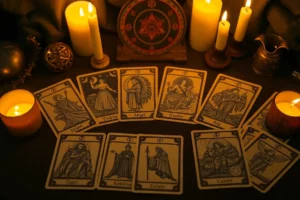
Inverted tarot cards, also known as reversed cards, occur when a card appears upside down during a reading. While some readers choose to ignore reversals entirely, many believe they introduce nuance and complexity to a reading. Reversed cards often highlight blocked energy, internal struggles, or subconscious influences that may not be immediately apparent in an upright position.
The debate between upright-only and reversed interpretations is ongoing. However, reversals can serve as a mirror, reflecting aspects of a situation that are hidden, delayed, or requiring deeper reflection. For example, the upright Three of Cups represents celebration and friendship, while its inverted form might suggest superficial connections or unresolved conflicts within a social circle.
Understanding reversals requires an open mind. They don’t necessarily indicate negativity but rather a shift in perspective or a need for introspection. By embracing their presence, you can uncover layers of meaning that might otherwise remain overlooked.
The Symbolism Behind Reversals
Each tarot card carries its own energy, and when inverted, that energy is distorted or internalized. For instance, the upright Tower card symbolizes sudden upheaval and revelation, while its reversed form may indicate resistance to change or a fear of disruption. This inversion can reveal underlying anxieties or a reluctance to confront difficult truths.
Reversals often point to internal conflicts rather than external events. The upright Five of Pentacles suggests financial hardship or feeling left out, but reversed, it might indicate a temporary setback or a need to seek support. The card’s energy is still present, but its expression is altered, offering a different lens through which to view the situation.
Symbolism in reversals can also highlight personal growth. A card like the upright Six of Swords represents transition and moving forward, while reversed, it may suggest stagnation or unresolved emotions tied to past experiences. This duality allows for a more comprehensive understanding of the querent’s journey.
Common Misconceptions About Inverted Tarot Cards
One of the biggest misconceptions about reversed cards is that they always signify bad luck or negative outcomes. In reality, reversals often act as warnings or gentle nudges toward self-awareness. For example, the upright Seven of Wands shows standing your ground, while reversed, it might reveal a tendency to avoid confrontation or a fear of asserting yourself.
Another myth is that reversals are less important than upright cards. However, many readers find that reversed cards provide the most profound insights. They can expose hidden fears, unacknowledged desires, or areas where the querent is holding themselves back. Ignoring them might mean missing critical pieces of the puzzle.
Reversals also challenge the idea that tarot readings are purely predictive. Instead, they emphasize the fluidity of life and the power of choice. A reversed card might indicate a detour rather than a dead end, urging the querent to pause and reassess their path.
How to Interpret Reversed Tarot Cards
Interpreting reversed cards requires a blend of intuition and traditional meanings. Start by examining the card’s upright position and then consider how its energy might be twisted or internalized. For example, the upright Queen of Cups embodies emotional balance and compassion, while reversed, she may represent emotional overwhelm or a tendency to neglect self-care.
Context is crucial. A reversed card in a past position might indicate a past issue that still lingers, while the same card in a future position could suggest a potential challenge to overcome. Pay attention to the surrounding cards, as they can clarify the reversal’s role in the narrative.
Some readers use keywords to guide their interpretations. For instance, the upright Eight of Swords signifies feeling trapped, while reversed, it might suggest breaking free from limiting beliefs. Creating a personal reference guide with your interpretations of reversals can deepen your connection to the cards.

Why Are Inverted Tarot Cards So Fascinating?
The allure of reversed tarot cards lies in their ability to reveal the unseen. They tap into the human fascination with duality—light and dark, conscious and subconscious, known and unknown. Reversals invite us to explore the shadow side of our experiences, where growth often resides.
For many, the mystery of reversals adds depth to readings. They encourage a more holistic approach, acknowledging that life isn’t always black and white. A reversed card can act as a catalyst for self-reflection, prompting the querent to ask tough questions and seek greater clarity.
Reversals also resonate with the idea of synchronicity—the meaningful coincidences that Carl Jung described. When a reversed card appears, it might feel like the universe is nudging you toward a hidden truth. This sense of connection and purpose fuels the enduring fascination with tarot and its inverted cards.
Practical Tips for Working with Reversed Tarot Cards
If you’re new to reversals, start by shuffling your deck with intention, focusing on whether each card lands upright or reversed. Over time, you’ll develop a personal relationship with the cards and their inverted meanings. Keep a journal to track your interpretations and notice patterns.
When a reversed card appears, ask yourself: What is this card trying to tell me? Is it highlighting a fear, a hidden opportunity, or a need for change? Avoid jumping to conclusions—reversals often require patience and reflection to fully understand.
Experiment with different spreads that incorporate reversals, such as the Celtic Cross or a simple three-card layout (past, present, future). This can help you see how reversed cards interact with other cards and provide a more dynamic reading.
Conclusion
Inverted tarot cards are far more than mere obstacles in a reading—they are gateways to deeper understanding. By embracing reversals, you open yourself to a richer, more nuanced interpretation of the cards. Whether they reveal hidden fears, unexpressed desires, or subtle shifts in energy, reversed cards offer invaluable insights that can guide you on your journey.
The next time a reversed card appears in your spread, take a moment to reflect on its message. Ask yourself what it’s trying to communicate and how it fits into the bigger picture. With practice and an open heart, you’ll find that reversals are not something to fear but rather an opportunity to uncover the hidden layers of your life’s story.
FAQ
What are inverted tarot cards?
Inverted tarot cards are those that appear upside down during readings, often providing deeper insights and highlighting internal struggles.
Do inverted tarot cards always indicate negative outcomes?
No, inverted cards can reveal hidden fears or prompt self-awareness, rather than always indicating bad luck.
How should I interpret reversed tarot cards?
Interpreting reversed cards requires examining their upright meanings and considering how their energies may be internalized or altered.
Leave a Reply