Short Answer
Welcome to a deep dive into the fascinating world of Death Cards and Deck the World Cards. In this guide, you’ll explore the origins, cultural significance, and psychological impact of these intriguing decks. Whether you’re a collector, a curious mind, or someone seeking a shift in perspective, this article will pique your curiosity and expand your understanding of these unique cards. From their historical roots to their modern interpretations, we’ll uncover the layers that make Death Cards and Deck the World Cards so compelling.
The Origins and History of Death Cards
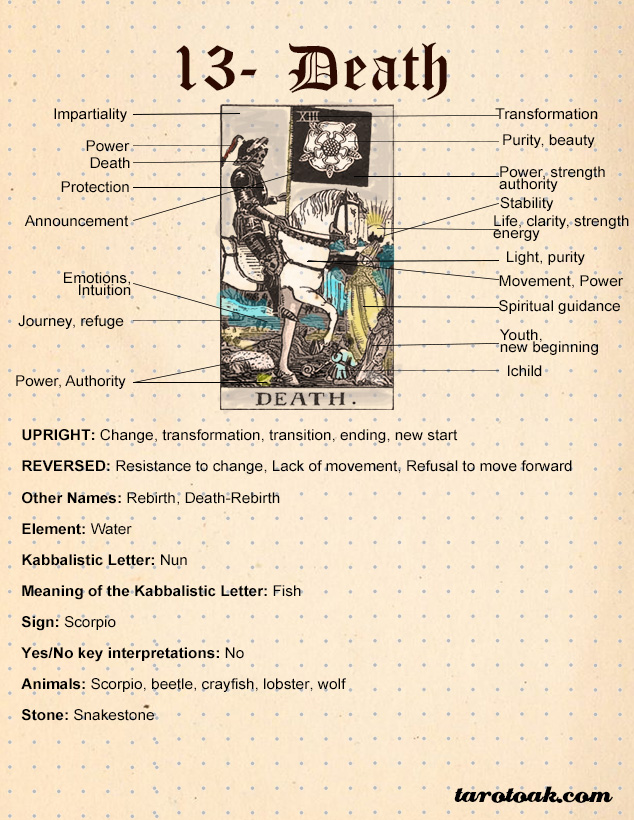
Death Cards, often associated with tarot and playing cards, have a rich history that spans centuries. The concept of a “Death Card” typically refers to a card symbolizing the end of a cycle, transformation, or rebirth. In traditional tarot decks, the Death card (usually the 13th card in the Major Arcana) represents change, transition, and the inevitability of transformation. However, Death Cards also extend beyond tarot into other cultural contexts, such as military history, where they were used as psychological tools during wartime.
In the context of military history, Death Cards were often personalized cards created by soldiers to intimidate enemies or serve as mementos. These cards featured grim imagery or messages, symbolizing the finality of death in battle. Over time, the term has evolved to include a broader range of cards that challenge perceptions of mortality and the afterlife.
The imagery on Death Cards varies widely, from skeletal figures to abstract representations of decay and renewal. This diversity reflects the cultural and personal interpretations of death across different societies.
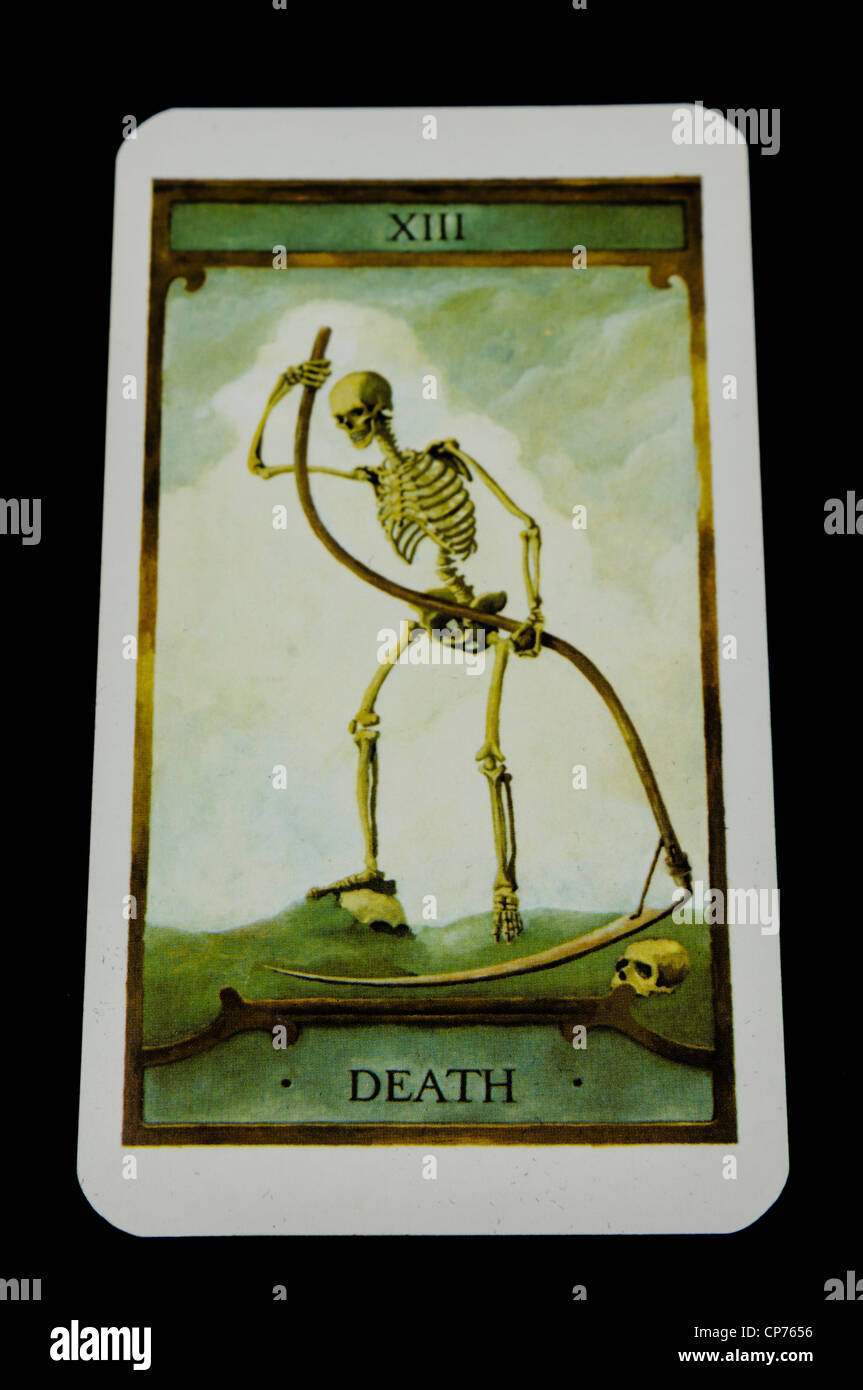
The tarot Death card, in particular, is often misunderstood. Contrary to popular belief, it does not signify physical death but rather a metaphorical death—a shedding of old habits, beliefs, or situations to make way for new growth. This shift in perspective is a recurring theme in the study of Death Cards and Deck the World Cards.
Understanding Deck the World Cards
Deck the World Cards are a modern evolution of traditional tarot and playing cards, designed to provoke thought, inspire creativity, and encourage introspection. Unlike standard tarot decks, which follow a structured format, Deck the World Cards often incorporate unconventional imagery, themes, and messages tailored to contemporary audiences. These cards can serve as tools for meditation, journaling, or even as conversation starters in social settings.
The name “Deck the World” suggests a global perspective, emphasizing the interconnectedness of humanity and the shared experiences that bind us. These cards often explore themes of unity, diversity, and the human condition, making them accessible to a wide audience. Whether used for personal reflection or artistic inspiration, Deck the World Cards offer a fresh take on traditional card systems.
One of the key aspects of Deck the World Cards is their ability to challenge conventional thinking. By presenting familiar concepts in unfamiliar ways, these cards encourage users to question their assumptions and explore new ideas. For example, a card might depict a global map with a single word like “Empathy,” prompting the viewer to consider how empathy connects people across cultures and borders.

The versatility of Deck the World Cards makes them a popular choice for artists, writers, and educators. They can be used to spark discussions in classrooms, inspire creative projects, or even serve as a form of therapy for those exploring difficult emotions. The cards’ open-ended nature allows for multiple interpretations, making them a powerful tool for personal growth.
The Psychological and Emotional Impact of Death Cards
Death Cards, whether traditional tarot cards or modern interpretations, have a profound psychological impact on those who engage with them. The imagery and symbolism associated with death often evoke strong emotions, from fear and anxiety to curiosity and acceptance. This emotional response is not accidental; it is a deliberate design choice to provoke introspection and self-reflection.
For many, encountering a Death Card can be a catalyst for change. The card’s message—whether it’s about letting go, embracing transformation, or facing mortality—can serve as a wake-up call. Psychologically, this aligns with the concept of “cognitive dissonance,” where the discomfort of confronting uncomfortable truths can lead to personal growth. By forcing us to acknowledge the impermanence of life, Death Cards can motivate us to live more authentically and purposefully.
In therapeutic settings, Death Cards are sometimes used as part of guided imagery exercises or mindfulness practices. For example, a therapist might ask a client to draw a Death Card and reflect on what it represents in their life. This exercise can help individuals process grief, trauma, or significant life changes. The card becomes a mirror, reflecting inner struggles and offering a pathway to healing.
It’s important to note that the psychological impact of Death Cards is not limited to negative emotions. Many people find comfort in the cards’ messages of renewal and rebirth. The idea that death is not an end but a transition can be incredibly liberating, especially for those grappling with loss or uncertainty. This duality—acknowledging the darkness while embracing the light—is what makes Death Cards so powerful.
How Deck the World Cards Promote a Shift in Perspective
Deck the World Cards are designed to challenge our perceptions of the world and ourselves. By presenting familiar concepts in unexpected ways, these cards encourage users to step outside their comfort zones and consider alternative viewpoints. This shift in perspective can be both liberating and transformative, opening doors to new ideas and possibilities.
One of the ways Deck the World Cards achieve this is through their use of universal symbols and archetypes. For example, a card might feature an image of a bridge, symbolizing connection or transition. The accompanying text could ask, “What bridges do you need to cross to reach your goals?” This simple question can prompt deep reflection on one’s life journey and the obstacles that stand in the way. By framing the question in a visual and symbolic context, the card makes the introspective process more engaging and accessible.
Another key feature of Deck the World Cards is their emphasis on global themes. Many of these cards explore issues like climate change, social justice, and cultural diversity, encouraging users to think beyond their immediate surroundings. For instance, a card might depict a melting ice cap with the word “Urgent,” prompting the viewer to consider their role in environmental stewardship. This global perspective fosters a sense of interconnectedness and responsibility, reminding us that our actions have far-reaching consequences.
Deck the World Cards also excel at sparking curiosity. Their unconventional imagery and open-ended messages invite users to ask questions and seek answers. For example, a card might feature an abstract design with the phrase “What if?” This simple prompt can lead to a cascade of thoughts and ideas, as the user explores hypothetical scenarios and their potential outcomes. This playful approach to introspection makes Deck the World Cards an excellent tool for creative problem-solving and brainstorming.

The versatility of Deck the World Cards makes them suitable for a wide range of applications. Whether used in group settings to facilitate discussion or as a personal tool for self-exploration, these cards have the power to transform how we see the world and our place in it. By promoting a shift in perspective, they encourage us to embrace change, challenge our assumptions, and cultivate a deeper understanding of ourselves and others.
Practical Applications: How to Use Death Cards and Deck the World Cards
Both Death Cards and Deck the World Cards offer practical applications that extend beyond mere curiosity. These cards can be used in various settings, from personal reflection to group activities, and even as educational tools. Here’s how you can incorporate them into your life to foster growth, creativity, and connection.
For personal use, Death Cards and Deck the World Cards can serve as prompts for journaling or meditation. Start by shuffling the deck and drawing a card at random. Spend a few minutes observing the imagery and reflecting on the card’s message. Ask yourself questions like, “What does this card mean to me?” or “How can I apply this message to my life?” This practice can help you gain clarity, process emotions, and set intentions for the future.
In group settings, these cards can facilitate meaningful discussions and team-building exercises. For example, a facilitator might use a Death Card to spark a conversation about change and resilience in a corporate workshop. Alternatively, a Deck the World Card featuring a global theme could be used in an educational setting to discuss cultural diversity or environmental issues. The open-ended nature of these cards allows for multiple interpretations, making them a versatile tool for dialogue.
Artists and writers can also find inspiration in Death Cards and Deck the World Cards. The striking imagery and thought-provoking messages can serve as a springboard for creative projects. For instance, an artist might use a Death Card as the basis for a painting or sculpture, exploring themes of mortality and rebirth. Similarly, a writer could draw a Deck the World Card and use it as a prompt for a short story or poem, delving into the emotions and ideas it evokes.
For those interested in spirituality or divination, Death Cards and Deck the World Cards can be used as part of a tarot or oracle reading. While traditional tarot decks follow a specific structure, these modern cards offer a more flexible approach. You can create your own spreads or use the cards intuitively, allowing your intuition to guide the interpretation. This approach is particularly useful for those who feel constrained by traditional tarot systems and prefer a more personalized experience.
It’s important to approach these cards with an open mind and a willingness to explore. There are no right or wrong interpretations—only what resonates with you. By using Death Cards and Deck the World Cards as tools for self-discovery and connection, you can unlock new layers of meaning and insight in your life.
Conclusion
Death Cards and Deck the World Cards are more than just decks of cards—they are gateways to transformation, curiosity, and deeper self-awareness. Whether you’re drawn to their historical significance, their psychological impact, or their ability to challenge conventional thinking, these cards offer a unique lens through which to view the world. They remind us that death is not an end but a transition, and that the world is vast, interconnected, and full of possibilities.
By incorporating Death Cards and Deck the World Cards into your life, you can cultivate a shift in perspective that fosters growth, resilience, and creativity. Whether used for personal reflection, group discussions, or artistic inspiration, these cards have the power to transform how you see yourself and the world around you. So, take a moment to shuffle the deck, draw a card, and let its message guide you on your journey of discovery.
FAQ
What does the Death card represent in tarot?
The Death card in tarot symbolizes transformation, endings, and new beginnings rather than physical death.
How are Deck the World Cards different from traditional tarot decks?
Deck the World Cards use unconventional imagery and global themes to encourage introspection and creative thinking beyond traditional tarot structures.
Can Death Cards be used in therapy?
Yes, Death Cards are sometimes used in guided imagery and mindfulness practices to help individuals process grief, change, and personal growth.
What psychological effects do Death Cards have on users?
They often provoke strong emotions and introspection, helping users confront change and embrace transformation.
Leave a Reply