Short Answer
Have you ever drawn a tarot card and felt a sudden shift in energy? What if that card appeared upside down? Reversed tarot cards carry a unique depth, offering messages that are often more nuanced, challenging, or revealing than their upright counterparts. In this guide, you’ll explore the intriguing world of upside-down tarot card meanings, uncovering how reversed energy can serve as a powerful mirror to your inner landscape. Whether you’re a seasoned reader or a curious seeker, understanding reversed cards can transform your tarot practice into a more insightful and transformative experience.
The Hidden Language of Reversed Tarot Cards
Tarot cards are not merely static images; they are living symbols pulsating with energy. When a card appears upside down, it doesn’t signify a negative omen but rather a shift in perspective. Reversed cards often act as a cosmic nudge, urging you to look deeper into the shadows of a situation or within yourself. They highlight blockages, unresolved emotions, or areas where growth is needed. For instance, the upright Three of Cups radiates celebration and joy, but reversed, it may reveal loneliness or a fractured connection. This duality makes reversed cards a fascinating tool for self-reflection.
Why Reversed Cards Matter in Readings
Reversed cards add layers of complexity to a tarot spread, acting as a counterbalance to the upright cards. They can:
- Expose Hidden Truths: They reveal what’s being suppressed or ignored, such as unspoken fears or untapped potential.
- Highlight Internal Conflicts: They point to inner turmoil, self-doubt, or conflicting desires that may be sabotaging your progress.
- Indicate Stagnation or Delay: Sometimes, a reversed card signals that a situation is not moving forward, urging you to reassess your approach.
- Offer a Warning: They can serve as a gentle (or not-so-gentle) alert to avoid repeating past mistakes or falling into old patterns.
The key is to approach reversed cards with curiosity rather than fear. They are not punishments but invitations to explore what’s beneath the surface.
Common Misconceptions About Reversed Tarot Cards
Many people associate reversed cards with negativity, but this is a misconception. Here are a few myths debunked:
- Myth: Reversed cards always mean something bad. Reality: They often highlight areas for growth or unresolved issues that need attention.
- Myth: Reversed cards are less important than upright ones. Reality: They can carry just as much weight, if not more, depending on the context of the reading.
- Myth: You should always interpret reversed cards negatively. Reality: A reversed card can also indicate a hidden strength or a lesson that hasn’t yet been fully embraced.
By reframing your perspective, you can unlock the true potential of reversed cards in your readings.
How to Interpret Reversed Tarot Cards Effectively
Interpreting reversed cards requires a blend of intuition and structure. Here’s a step-by-step approach:
- Assess the Card’s Core Meaning: Start with the upright meaning of the card. How does it change when reversed? For example, the upright Tower signifies sudden upheaval, while reversed, it may suggest resistance to necessary change.
- Consider the Surrounding Cards: The cards adjacent to a reversed card can provide context. Are they supporting or contradicting its energy?
- Tune Into Your Intuition: Reversed cards often resonate on a personal level. Pay attention to your gut reactions or any physical sensations when interpreting them.
- Look for Patterns: If multiple reversed cards appear in a spread, they may indicate a recurring theme or challenge in your life.
- Ask Open-Ended Questions: Instead of asking, “Will this happen?” try, “What do I need to understand about this situation?”
Practice and patience are essential. The more you work with reversed cards, the more attuned you’ll become to their subtle messages.
Reversed Cards as Catalysts for Personal Growth
Reversed tarot cards are not just indicators of what’s wrong; they are powerful catalysts for transformation. They challenge you to:
- Face Your Shadows: Reversed cards often point to aspects of yourself you’ve been avoiding. Acknowledging these shadows is the first step toward healing.
- Embrace Change: They can signal resistance to necessary shifts, encouraging you to let go of what no longer serves you.
- Deepen Self-Awareness: By interpreting reversed cards, you gain insights into your subconscious patterns, fears, and desires.
- Strengthen Your Intuition: Working with reversed cards hones your ability to trust your inner voice and discern subtle energies.
Think of reversed cards as a mirror held up to your soul, reflecting not just your struggles but also your untapped potential.
Practical Tips for Working with Reversed Tarot Cards
To make the most of reversed cards in your readings, consider these practical tips:
- Keep a Tarot Journal: Document your reversed card interpretations and any insights that arise. Over time, you’ll notice patterns and deepen your understanding.
- Use Reversed Cards in Meditation: Draw a reversed card and meditate on its message. Visualize how its energy might be manifesting in your life.
- Experiment with Different Spreads: Try spreads specifically designed for reversed cards, such as the “Shadow Spread,” which focuses on hidden aspects of yourself.
- Ask for Clarity: If a reversed card feels unclear, ask the tarot for additional guidance. You might pull a clarifier card to shed light on its meaning.
- Embrace the Unknown: Reversed cards thrive in ambiguity. Don’t rush to assign a definitive meaning; allow the message to unfold naturally.
Visual Guide: Reversed Tarot Cards in Action
To help you visualize the power of reversed cards, here are three examples of how they might appear in a reading:
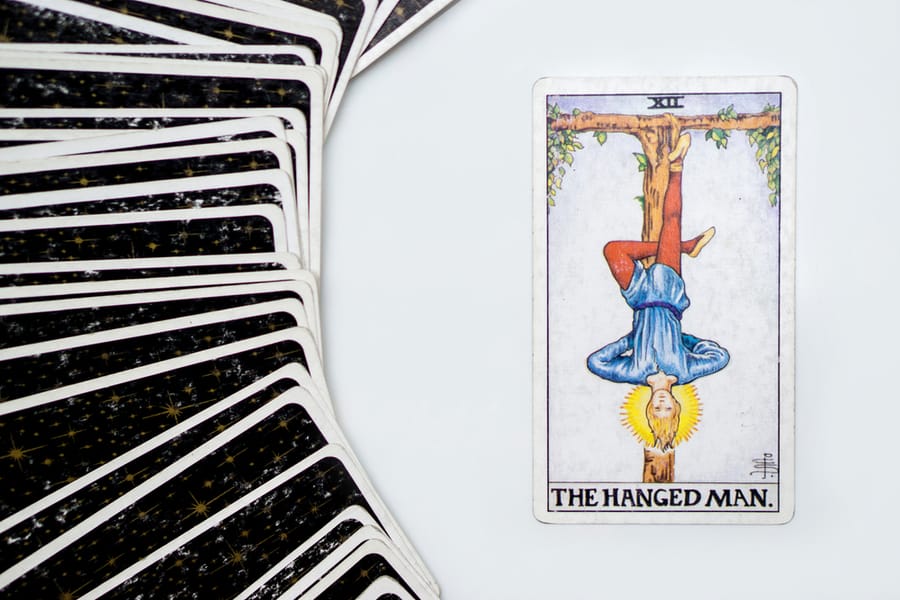
The Reversed Lovers: Upright, this card symbolizes harmony and choices. Reversed, it may indicate disharmony, indecision, or a relationship that’s out of balance. It could also suggest a need to make a difficult choice that aligns with your true values.
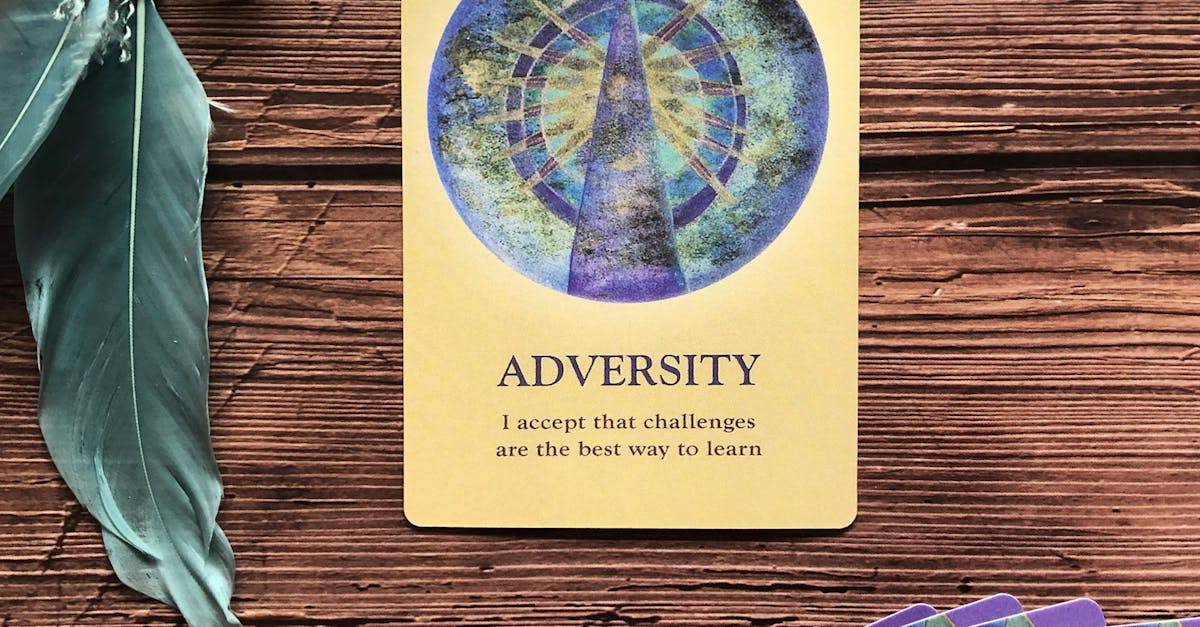
The Reversed Eight of Pentacles: Upright, this card represents dedication and skill-building. Reversed, it might reveal burnout, lack of focus, or a project that’s losing its appeal. It’s a reminder to reassess your priorities and find joy in the process again.

The Reversed Queen of Swords: Upright, this card embodies clarity and independence. Reversed, it could signal coldness, over-analysis, or a tendency to cut yourself off from your emotions. It’s a call to balance logic with compassion.
Conclusion
Reversed tarot cards are not obstacles but gateways to deeper understanding. They challenge you to look beyond the surface, confront your shadows, and embrace the full spectrum of your experiences. By learning to interpret their unique energy, you transform your tarot practice into a profound journey of self-discovery and growth. Whether a reversed card appears as a warning, a lesson, or an invitation, remember: it’s not about fearing the unknown but about stepping into it with courage and curiosity. Let the upside-down cards guide you toward the wisdom you’ve been seeking all along.
FAQ
What does a reversed tarot card mean?
A reversed tarot card signifies a shift in perspective from its upright meaning, often highlighting blockages, internal conflicts, or areas for personal growth rather than simply negative outcomes.
Are reversed tarot cards always negative?
No, reversed cards are not always negative; they can reveal hidden strengths, lessons, or subtle energies that require attention.
How do I interpret reversed tarot cards?
Interpret reversed cards by considering the card's core upright meaning, the surrounding cards, your intuition, and recurring patterns in the spread.
Should I always use reversed cards in readings?
Using reversed cards is optional but can add depth and complexity to readings by revealing hidden aspects and nuances.
Leave a Reply