Short Answer
Welcome to this comprehensive guide on understanding the meaning of “V” in tarot cards, specifically focusing on The Hierophant. Here, you will explore the symbolism, interpretations, and deeper implications of this card, including how it promises a shift in perspective and sparks curiosity. Whether you’re a seasoned tarot reader or a curious beginner, this guide will provide valuable insights into The Hierophant and its significance in your tarot practice.
The Hierophant: An Overview
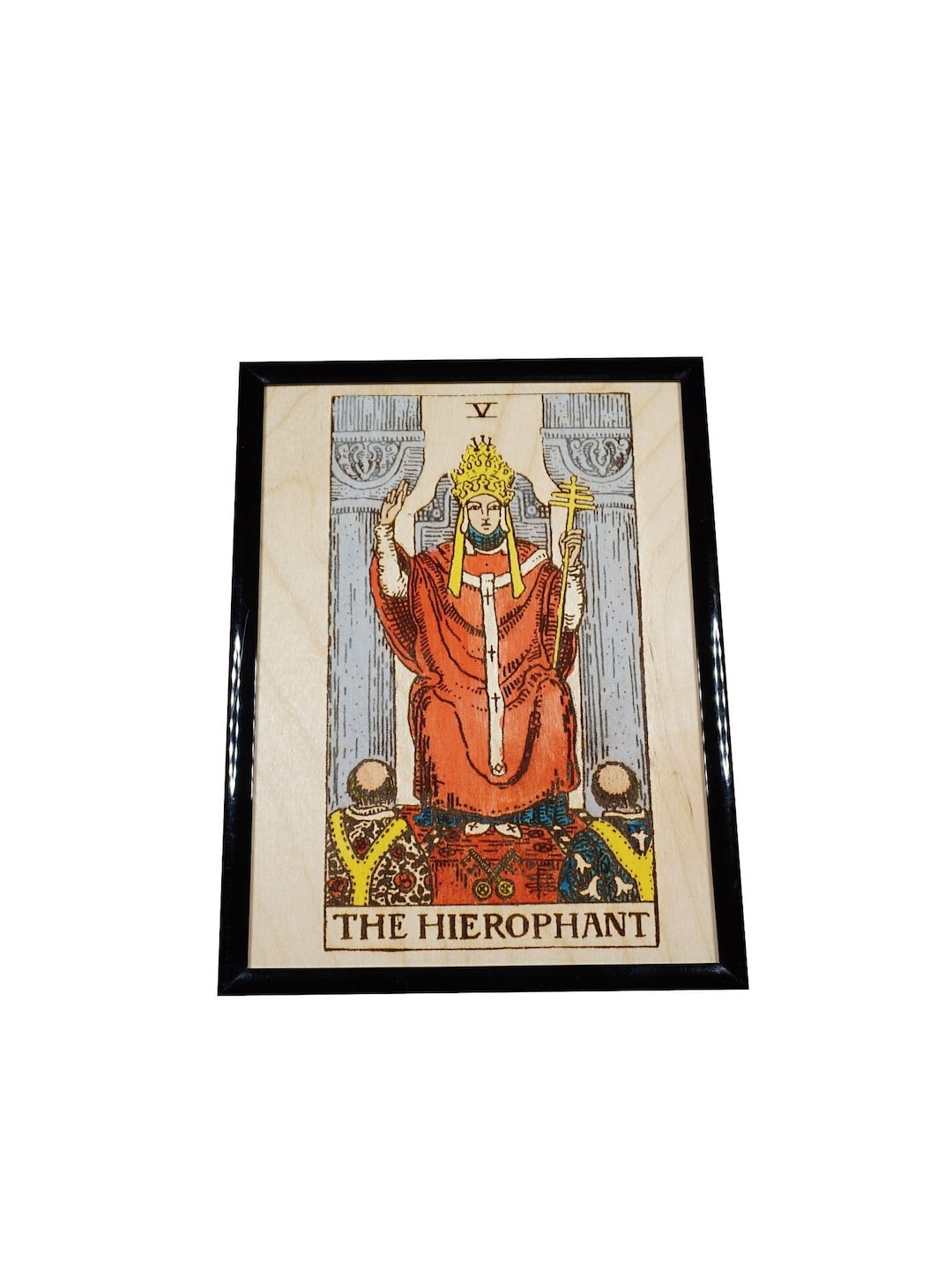
The Hierophant is the fifth card in the Major Arcana of the tarot deck, traditionally numbered as “V” (Roman numeral 5). This card represents tradition, spiritual guidance, and the bridge between the divine and the earthly realms. Often depicted as a religious figure, such as a priest or teacher, The Hierophant embodies wisdom, conformity, and the transmission of knowledge from one generation to the next.
In many tarot decks, The Hierophant is shown seated between two pillars, symbolizing balance and duality. He holds a cross or staff, signifying authority and the power to guide others. The two acolytes at his feet represent the seeker and the student, highlighting the dynamic of learning and teaching that is central to this card.
The Symbolism of “V” in The Hierophant
The Roman numeral “V” assigned to The Hierophant is not arbitrary; it carries deep symbolic meaning. In numerology, the number 5 is associated with change, adventure, and the pursuit of freedom. This number often indicates a period of transition or upheaval, where old structures are challenged, and new perspectives emerge. When applied to The Hierophant, the “V” suggests that the card is not just about tradition but also about the potential for transformation within those traditions.
The number 5 also resonates with the five senses, the five elements (earth, air, fire, water, and spirit), and the five wounds of Christ in Christian symbolism. These connections emphasize The Hierophant’s role as a mediator between the material and spiritual worlds, encouraging the seeker to explore beyond surface-level interpretations and delve into deeper truths.
Promises a Shift in Perspective
One of the most compelling aspects of The Hierophant is its promise of a shift in perspective. This card often appears when the seeker is feeling stuck in rigid beliefs or outdated patterns. The Hierophant challenges the status quo by inviting the seeker to question their assumptions and consider alternative viewpoints. This shift can be subtle or profound, depending on the context of the reading.
For example, if you’ve been adhering to a particular belief system or career path out of habit rather than conviction, The Hierophant may signal a time to reevaluate your choices. It encourages you to seek guidance from mentors, spiritual leaders, or trusted sources, but also to remain open to questioning the advice you receive. The card reminds you that wisdom is not about blindly following tradition but about discerning what truly resonates with your soul.
Piquing Curiosity: The Hierophant as a Catalyst for Exploration
The Hierophant is not just about tradition; it also piques curiosity by urging the seeker to explore beyond the familiar. This card often appears when you’re on the cusp of a new spiritual or intellectual journey. It may indicate a desire to learn more about a particular religion, philosophy, or esoteric tradition. Alternatively, it could suggest that you’re being called to teach or share your own knowledge with others.
In a reading, The Hierophant might prompt you to ask questions like: “What traditions or beliefs have I inherited that no longer serve me?” or “Where can I find guidance that aligns with my true path?” The card encourages you to approach these questions with an open mind and a willingness to explore new ideas. It reminds you that curiosity is a powerful tool for growth and self-discovery.
The Hierophant in Different Contexts
The Hierophant’s meaning can vary depending on its position in a spread and the surrounding cards. Here are a few common interpretations:
- Upright: When The Hierophant appears upright, it often signifies the need for structure, tradition, or spiritual guidance. It may indicate a time to seek advice from a mentor or to reconnect with your roots. This card can also represent a commitment to a belief system or a formal agreement, such as marriage or a business partnership.
- Reversed: In the reversed position, The Hierophant can suggest rebellion against tradition, dogma, or outdated systems. It may indicate a desire to break free from constraints or to challenge authority. Alternatively, it could warn against blindly following others without questioning their motives.
- As a Past Card: If The Hierophant appears in the past position, it may indicate that you were heavily influenced by tradition or a specific belief system in your earlier years. This could be a time of reflection on how these influences have shaped your current path.
- As a Future Card: When The Hierophant appears in the future position, it suggests that you may soon encounter a situation where tradition or guidance plays a significant role. This could be a new mentor entering your life or a decision that requires careful consideration of long-held beliefs.
How to Work with The Hierophant Energy
If The Hierophant resonates with you, there are several ways to work with its energy in your daily life:
- Seek Guidance: Consider reaching out to a mentor, spiritual leader, or trusted advisor. Ask for their insights on a situation you’re facing, but remember to discern whether their advice aligns with your true path.
- Explore Traditions: Take time to explore different traditions, philosophies, or spiritual practices. Attend a workshop, read a book, or visit a place of worship that intrigues you. The Hierophant encourages you to broaden your horizons.
- Question Assumptions: Challenge your own beliefs and those of others. Ask yourself why you hold certain views and whether they still serve you. The Hierophant reminds you that growth comes from questioning the status quo.
- Teach Others: If you have knowledge or skills to share, consider teaching or mentoring others. The Hierophant is not just about receiving guidance; it’s also about passing it on.
Common Misconceptions About The Hierophant
Despite its rich symbolism, The Hierophant is often misunderstood. Here are a few common misconceptions and the truths behind them:
- Misconception: The Hierophant is about blind conformity. While The Hierophant represents tradition, it is not about blindly following rules. Instead, it encourages you to find wisdom in tradition while remaining open to growth and change.
- Misconception: The Hierophant is only about religion. Although The Hierophant is often depicted as a religious figure, its meaning extends beyond organized religion. It can represent any system of belief, including philosophy, ethics, or personal values.
- Misconception: The Hierophant is a negative card. The Hierophant is not inherently positive or negative. Its meaning depends on the context of the reading and the seeker’s personal journey. It can indicate both the need for structure and the potential for transformation.
Conclusion
The Hierophant, with its Roman numeral “V,” is a card of profound depth and complexity. It promises a shift in perspective by challenging you to question traditions, explore new ideas, and seek guidance that resonates with your soul. Whether you encounter this card in a reading or feel drawn to its energy in your daily life, The Hierophant invites you to embrace curiosity, wisdom, and the courage to grow beyond the familiar.
As you continue your tarot journey, remember that The Hierophant is not just about the past or tradition—it’s about the potential for transformation that lies within every belief system. By working with its energy, you can unlock new levels of understanding and align more closely with your true path.
FAQ
What does the 'V' mean on The Hierophant tarot card?
The 'V' is the Roman numeral 5, representing The Hierophant's position in the Major Arcana and symbolizing themes of tradition, spiritual guidance, and transformation.
What is the difference between The Hierophant upright and reversed?
Upright, The Hierophant signifies tradition, spiritual guidance, and seeking mentorship. Reversed, it suggests rebellion against tradition, questioning authority, or breaking free from constraints.
How can I work with The Hierophant energy in daily life?
You can seek guidance from mentors, explore different traditions, question your assumptions, and share knowledge by teaching others.
Is The Hierophant only related to religion?
No, while often depicted as a religious figure, The Hierophant also represents any belief system, philosophy, ethics, or personal values.
Leave a Reply