Short Answer
Have you ever drawn the Death card in a tarot reading and felt a shiver run down your spine? You’re not alone. The Death XIII tarot card is often the most feared and misunderstood card in the deck. Many people associate it with literal death, loss, or endings—but what if it’s actually a card of transformation, renewal, and profound change? In this guide, we’ll peel back the layers of myth and misconception surrounding Death. You’ll discover its true meaning, how it appears in different tarot decks, and why it might be the key to unlocking your next chapter. By the end, you’ll see Death not as a harbinger of doom, but as a powerful ally in your personal evolution. Ready to challenge your perspective?
What Does the Death Tarot Card Really Mean?
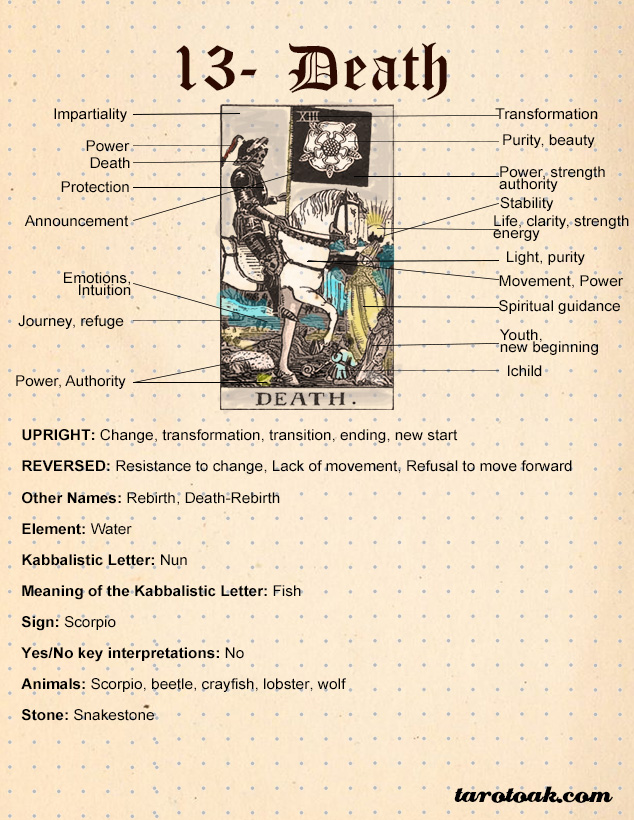
The Death card is the thirteenth card in the Major Arcana, a number often linked to transformation and cycles. Despite its ominous name, Death rarely signifies physical death in tarot readings. Instead, it symbolizes the end of one phase of life and the beginning of another. Think of it as the universe’s way of saying, “It’s time to let go.” This could mean ending a toxic relationship, leaving a stagnant job, or releasing old habits that no longer serve you. The card depicts a skeletal figure riding a white horse, often carrying a black flag adorned with a white rose—a stark contrast that hints at the balance between endings and new beginnings. The rising sun in the background further emphasizes rebirth and hope after a period of darkness.
In readings, Death asks you to confront what no longer aligns with your highest good. It’s not about destruction for its own sake; it’s about making space for growth. If you’ve been feeling stuck or resistant to change, this card is a gentle (or not-so-gentle) nudge to embrace the inevitable cycles of life. The challenge? Letting go can be painful, especially when attachments run deep. But remember: what feels like an ending today could be the foundation of something far more meaningful tomorrow.
Key Symbols in the Death Card and Their Meanings
To fully grasp the Death card’s message, let’s break down its most prominent symbols:
- The Skeletal Figure: Often misunderstood as a symbol of death, the skeleton represents the impermanence of life and the inevitability of change. It’s a reminder that all things must pass, making way for renewal.
- The White Horse: White is the color of purity and new beginnings. The horse’s movement suggests forward progress, indicating that the changes Death brings are not stagnant but dynamic and purposeful.
- The Black Flag with a White Rose: The black flag symbolizes the unknown or the end of a cycle, while the white rose represents hope, purity, and the potential for beauty in transformation. Together, they signify that even in endings, there is grace.
- The Rising Sun: Positioned in the background, the sun signals the dawn of a new era. It’s a promise that after darkness comes light, and after loss comes opportunity.
- The Fallen Figures: In some decks, you’ll see people or structures crumbling at the horse’s feet. These represent outdated beliefs, relationships, or situations that are being cleared away to make room for growth.
Each of these elements works together to convey a message of profound, albeit sometimes uncomfortable, change. The Death card doesn’t sugarcoat the process—it acknowledges the pain of letting go but also highlights the beauty of what’s to come.

This image from the Grandio Design Artist Shop captures the essence of the Death card beautifully. The skeletal rider, the white horse, and the rising sun all work in harmony to convey the card’s message of inevitable change and the promise of a fresh start. Notice how the fallen figures in the background are not depicted as tragic but as part of the natural order—necessary for the new to emerge.
How Death Appears in Different Tarot Decks
While the core meaning of the Death card remains consistent across decks, its imagery can vary dramatically, offering unique perspectives on transformation. Here’s how some popular decks interpret it:
- Rider-Waite-Smith (RWS) Deck: The most widely recognized version, the RWS Death card features the skeletal rider on a white horse, with a black flag bearing a white rose. The fallen figures in the background represent the old self being shed to make way for the new.
- Thoth Tarot Deck: Designed by Aleister Crowley and Lady Frieda Harris, the Thoth Death card is more abstract and esoteric. It depicts a dancing figure with a scythe, symbolizing the dance of life and death as a continuous cycle. The imagery is less literal, encouraging a deeper, more philosophical interpretation of change.
- Modern Witch Tarot: This deck reimagines Death with a more inclusive and empowering twist. The skeletal figure is often replaced with a diverse, gender-neutral character, and the imagery leans into themes of empowerment and self-liberation. It’s a reminder that transformation is a universal experience, not confined to any one identity.
- Light Seer’s Tarot: A contemporary deck designed for modern seekers, the Light Seer’s Death card features a person in a meditative pose, surrounded by floating orbs and a radiant light. It emphasizes the spiritual and emotional aspects of change, suggesting that transformation is as much an inner journey as it is an external one.
Each deck’s interpretation adds a layer of nuance to the Death card’s meaning. Whether the imagery is stark and literal or abstract and symbolic, the underlying message remains the same: change is not only inevitable but necessary for growth. The key is to find the interpretation that resonates most deeply with your personal journey.
Common Misconceptions About the Death Card
The Death card is shrouded in myths, many of which distort its true meaning. Let’s debunk some of the most persistent misconceptions:
- Misconception 1: Death Always Means Physical Death
While the card’s name is dramatic, it almost never predicts literal death in a reading. Instead, it’s about metaphorical endings—leaving a job, ending a relationship, or releasing old patterns. The universe uses this card to signal that a significant shift is on the horizon, but it’s up to you to discern what needs to change. - Misconception 2: Death is Always Negative
The Death card is often feared because it’s associated with loss, but it’s also a card of liberation. Think of it as the universe’s way of clearing out the old to make space for the new. Without endings, there can be no beginnings. This card encourages you to view change as an opportunity rather than a punishment. - Misconception 3: Death Indicates Failure
Drawing the Death card doesn’t mean you’ve failed or that your efforts have been in vain. It suggests that what you’ve been doing is no longer serving you or your highest good. This isn’t a judgment—it’s an invitation to pivot, reassess, and realign with your true path. - Misconception 4: Death is Always Sudden or Dramatic
While the Death card can indicate abrupt changes, it can also signify a slow, gradual transformation. Not all endings are explosive; some are quiet and internal, like the slow shedding of an old identity or the gradual realization that a chapter of your life is closing.
By releasing these misconceptions, you can approach the Death card with curiosity rather than dread. It’s not a warning of doom—it’s a compass pointing toward your next evolution.
How to Interpret Death in a Tarot Reading
When the Death card appears in a reading, its meaning depends heavily on the context of the spread and the surrounding cards. Here’s how to interpret it in different scenarios:
- Death as a Past Influence: If Death appears in the past position, it suggests that a significant transformation has already occurred in your life. Reflect on what you’ve released and how it has shaped your current path. This card can indicate that you’ve successfully navigated a major life change, even if it was difficult at the time.
- Death as Present Circumstances: In the present position, Death signals that you’re in the midst of a profound shift. This could be a career change, a relationship ending, or a personal awakening. The card asks you to embrace the discomfort of transition, knowing that it’s leading you toward growth.
- Death as Future Guidance: When Death appears in the future position, it’s a sign that change is on the horizon. This isn’t a prediction of doom but a heads-up to prepare mentally and emotionally. Ask yourself: What old patterns or beliefs do I need to release to step into my next chapter?
- Death Paired with Other Cards:
- Death + The Tower: A double dose of upheaval. This combination suggests a sudden, unexpected change that will completely disrupt your life. While it may feel destabilizing, it’s also a chance to rebuild from the ground up.
- Death + The Star: Hope after loss. This pairing indicates that even in the midst of transformation, there is light at the end of the tunnel. You’re being guided toward a brighter future.
- Death + The Lovers: A relationship undergoing a significant shift. This could mean the end of a romantic partnership or a deep transformation within an existing relationship. It’s a call to reevaluate what truly matters to you.
To interpret Death accurately, consider the other cards in the spread and the specific question you asked. Is the reading about love, career, personal growth, or something else? The context will shape how you understand the card’s message. Above all, trust that the Death card is guiding you toward a higher version of yourself—even if the path isn’t immediately clear.
Practical Steps to Embrace the Death Card’s Energy
So, how do you work with the Death card’s energy when it appears in your life or readings? Here are some actionable steps to help you navigate transformation with grace:
- Reflect on What Needs to End: Grab a journal and ask yourself: What old habits, relationships, or beliefs no longer serve me? Be honest with yourself—this isn’t about guilt or blame, but about making space for what’s next.
- Practice Letting Go Ritually: Rituals can help you release the past. This could be as simple as writing down what you’re ready to let go of and burning the paper (safely, of course) or creating a small altar with symbols of what you’re releasing.
- Embrace the Unknown: Change can feel scary, especially when you can’t see the outcome. Practice trusting the process. Remind yourself that every ending is a new beginning in disguise.
- Seek Support: Transformation is easier when you’re not doing it alone. Lean on friends, family, or a therapist to help you navigate the emotional landscape of change. Sometimes, just talking about your feelings can make the process feel less daunting.
- Stay Open to New Opportunities: The Death card isn’t just about endings—it’s about the potential that arises from them. Stay curious about what’s next. What new passions, relationships, or paths might be waiting for you?
Remember, the Death card isn’t a punishment—it’s an invitation. It’s the universe’s way of saying, “You’re ready for more.” The key is to meet change with courage and an open heart.
Conclusion
The Death XIII tarot card is a powerful reminder that change is not only inevitable but essential for growth. Far from being a harbinger of doom, it’s a symbol of transformation, renewal, and the natural cycles of life. Whether it appears in a reading or shows up as a recurring theme in your life, the Death card challenges you to let go of what no longer serves you and embrace the unknown with courage.
Next time you encounter this card, take a deep breath and ask yourself: What is this change inviting me to release? What new possibilities might emerge from this ending? Trust that the universe is guiding you toward a brighter, more authentic path—one where the old makes way for the extraordinary. The Death card isn’t the end of your story; it’s the beginning of a new chapter, written with intention and hope.
FAQ
What does the Death tarot card mean?
It represents the end of a cycle, transformation, and making way for new beginnings.
Is the Death card a bad omen?
No, it often signals positive change and personal growth rather than misfortune.
How does the Death card differ across tarot decks?
Different decks portray it with unique imagery but retain the theme of transformation.
What should I do if the Death card appears in my reading?
Consider what aspects of your life need to end or change to allow growth.
Leave a Reply